{"title":"泛昔洛韦透皮转移体凝胶的研制及评价","authors":"Sayani Bhattacharyya, Kalai Tamilselvi Lakshmanan, Andhuvan Muthukumar","doi":"10.4274/tjps.galenos.2023.46735","DOIUrl":null,"url":null,"abstract":"<p><strong>Objectives: </strong>Famciclovir, the drug of choice for cold sores and recurrent genital herpes, has poor oral bioavailability and is associated with numerous side effects. The study aimed to explore the possibility of transdermal application of famciclovir through a transferosome-loaded gelling system to localize the drug at the site of application with improved penetrability, therapeutic effects, and comfort.</p><p><strong>Materials and methods: </strong>Transferosomes of famciclovir were prepared using tween 80, phospholipid, and cholesterol. To optimize drug entrapment and the vesicular size of the transferosomes, a central composite design was employed. The optimized formulation was evaluated for physicochemical characteristics, surface morphology, and degree of deformability. The optimized product was included in the Carbopol 940 gelling system. The gel was evaluated for ex vivo permeation, skin irritation, drug deposition at various skin layers, and histopathological analysis.</p><p><strong>Results: </strong>The design optimization yielded an optimized product (FAMOPT) of nanosized (339 nm) stable vesicles of the transferosome of famciclovir. The surface morphology analysis revealed the formation of nanovesicles without aggregation. Compatibility between the drug and excipients was established. The elasticity of the vesicles demonstrated resistance to leakage. The permeation of the drug was enhanced by 2.8 times. The gel was found to be non-irritating and non-sensitizing to the animal skin. The drug deposition at various skin layers was remarkably improved, indicating effective drug penetration. The histopathological examination further demonstrated the penetration of nano-vesiculate drugs through deeper layers of the skin.</p><p><strong>Conclusion: </strong>Hence, nano-vesicular famciclovir delivery is a promising alternative to conventional famciclovir delivery with enhanced local and systemic action for herpes treatment.</p>","PeriodicalId":1,"journal":{"name":"Accounts of Chemical Research","volume":" ","pages":"303-312"},"PeriodicalIF":17.7000,"publicationDate":"2024-09-02","publicationTypes":"Journal Article","fieldsOfStudy":null,"isOpenAccess":false,"openAccessPdf":"https://www.ncbi.nlm.nih.gov/pmc/articles/PMC11589086/pdf/","citationCount":"0","resultStr":"{\"title\":\"Formulation and Evaluation of a Transferosomal Gel of Famciclovir for Transdermal Use.\",\"authors\":\"Sayani Bhattacharyya, Kalai Tamilselvi Lakshmanan, Andhuvan Muthukumar\",\"doi\":\"10.4274/tjps.galenos.2023.46735\",\"DOIUrl\":null,\"url\":null,\"abstract\":\"<p><strong>Objectives: </strong>Famciclovir, the drug of choice for cold sores and recurrent genital herpes, has poor oral bioavailability and is associated with numerous side effects. The study aimed to explore the possibility of transdermal application of famciclovir through a transferosome-loaded gelling system to localize the drug at the site of application with improved penetrability, therapeutic effects, and comfort.</p><p><strong>Materials and methods: </strong>Transferosomes of famciclovir were prepared using tween 80, phospholipid, and cholesterol. To optimize drug entrapment and the vesicular size of the transferosomes, a central composite design was employed. The optimized formulation was evaluated for physicochemical characteristics, surface morphology, and degree of deformability. The optimized product was included in the Carbopol 940 gelling system. The gel was evaluated for ex vivo permeation, skin irritation, drug deposition at various skin layers, and histopathological analysis.</p><p><strong>Results: </strong>The design optimization yielded an optimized product (FAMOPT) of nanosized (339 nm) stable vesicles of the transferosome of famciclovir. The surface morphology analysis revealed the formation of nanovesicles without aggregation. Compatibility between the drug and excipients was established. The elasticity of the vesicles demonstrated resistance to leakage. The permeation of the drug was enhanced by 2.8 times. The gel was found to be non-irritating and non-sensitizing to the animal skin. The drug deposition at various skin layers was remarkably improved, indicating effective drug penetration. The histopathological examination further demonstrated the penetration of nano-vesiculate drugs through deeper layers of the skin.</p><p><strong>Conclusion: </strong>Hence, nano-vesicular famciclovir delivery is a promising alternative to conventional famciclovir delivery with enhanced local and systemic action for herpes treatment.</p>\",\"PeriodicalId\":1,\"journal\":{\"name\":\"Accounts of Chemical Research\",\"volume\":\" \",\"pages\":\"303-312\"},\"PeriodicalIF\":17.7000,\"publicationDate\":\"2024-09-02\",\"publicationTypes\":\"Journal Article\",\"fieldsOfStudy\":null,\"isOpenAccess\":false,\"openAccessPdf\":\"https://www.ncbi.nlm.nih.gov/pmc/articles/PMC11589086/pdf/\",\"citationCount\":\"0\",\"resultStr\":null,\"platform\":\"Semanticscholar\",\"paperid\":null,\"PeriodicalName\":\"Accounts of Chemical Research\",\"FirstCategoryId\":\"92\",\"ListUrlMain\":\"https://doi.org/10.4274/tjps.galenos.2023.46735\",\"RegionNum\":1,\"RegionCategory\":\"化学\",\"ArticlePicture\":[],\"TitleCN\":null,\"AbstractTextCN\":null,\"PMCID\":null,\"EPubDate\":\"\",\"PubModel\":\"\",\"JCR\":\"Q1\",\"JCRName\":\"CHEMISTRY, MULTIDISCIPLINARY\",\"Score\":null,\"Total\":0}","platform":"Semanticscholar","paperid":null,"PeriodicalName":"Accounts of Chemical Research","FirstCategoryId":"92","ListUrlMain":"https://doi.org/10.4274/tjps.galenos.2023.46735","RegionNum":1,"RegionCategory":"化学","ArticlePicture":[],"TitleCN":null,"AbstractTextCN":null,"PMCID":null,"EPubDate":"","PubModel":"","JCR":"Q1","JCRName":"CHEMISTRY, MULTIDISCIPLINARY","Score":null,"Total":0}
Formulation and Evaluation of a Transferosomal Gel of Famciclovir for Transdermal Use.
Objectives: Famciclovir, the drug of choice for cold sores and recurrent genital herpes, has poor oral bioavailability and is associated with numerous side effects. The study aimed to explore the possibility of transdermal application of famciclovir through a transferosome-loaded gelling system to localize the drug at the site of application with improved penetrability, therapeutic effects, and comfort.
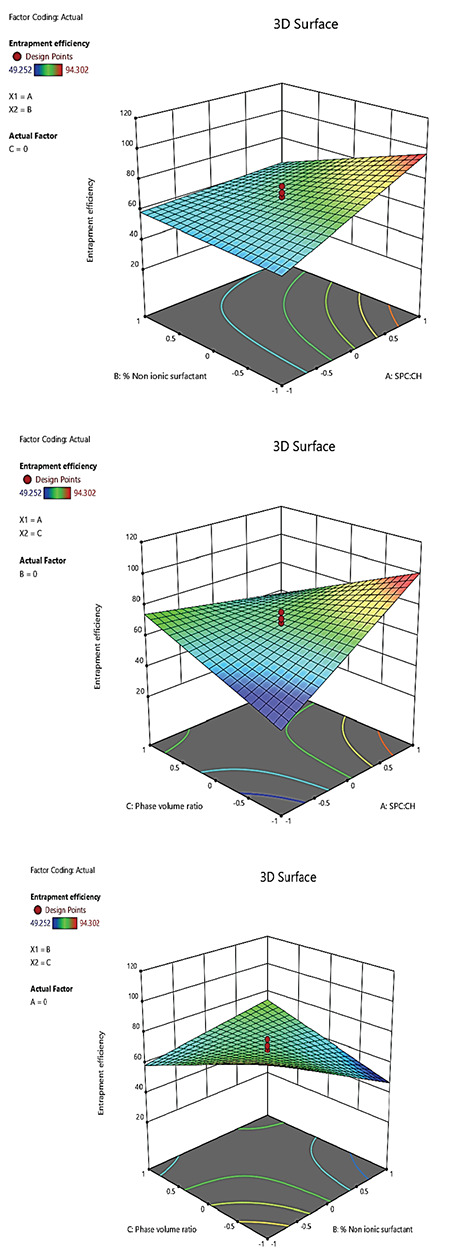
Materials and methods: Transferosomes of famciclovir were prepared using tween 80, phospholipid, and cholesterol. To optimize drug entrapment and the vesicular size of the transferosomes, a central composite design was employed. The optimized formulation was evaluated for physicochemical characteristics, surface morphology, and degree of deformability. The optimized product was included in the Carbopol 940 gelling system. The gel was evaluated for ex vivo permeation, skin irritation, drug deposition at various skin layers, and histopathological analysis.
Results: The design optimization yielded an optimized product (FAMOPT) of nanosized (339 nm) stable vesicles of the transferosome of famciclovir. The surface morphology analysis revealed the formation of nanovesicles without aggregation. Compatibility between the drug and excipients was established. The elasticity of the vesicles demonstrated resistance to leakage. The permeation of the drug was enhanced by 2.8 times. The gel was found to be non-irritating and non-sensitizing to the animal skin. The drug deposition at various skin layers was remarkably improved, indicating effective drug penetration. The histopathological examination further demonstrated the penetration of nano-vesiculate drugs through deeper layers of the skin.
Conclusion: Hence, nano-vesicular famciclovir delivery is a promising alternative to conventional famciclovir delivery with enhanced local and systemic action for herpes treatment.
期刊介绍:
Accounts of Chemical Research presents short, concise and critical articles offering easy-to-read overviews of basic research and applications in all areas of chemistry and biochemistry. These short reviews focus on research from the author’s own laboratory and are designed to teach the reader about a research project. In addition, Accounts of Chemical Research publishes commentaries that give an informed opinion on a current research problem. Special Issues online are devoted to a single topic of unusual activity and significance.
Accounts of Chemical Research replaces the traditional article abstract with an article "Conspectus." These entries synopsize the research affording the reader a closer look at the content and significance of an article. Through this provision of a more detailed description of the article contents, the Conspectus enhances the article's discoverability by search engines and the exposure for the research.






 京公网安备 11010802042870号
京ICP备2023020795号-1
京公网安备 11010802042870号
京ICP备2023020795号-1

 分享
分享
 求助内容:
求助内容: 应助结果提醒方式:
 扫码关注我们
