{"title":"从以发作为首发症状的复发性抗n -甲基- d -天冬氨酸受体脑炎发展到自身免疫相关癫痫:1例报告","authors":"Ningxiang Qin, Jing Wang, Xi Peng, Liang Wang","doi":"10.1186/s42494-023-00129-0","DOIUrl":null,"url":null,"abstract":"<p><strong>Background: </strong>Anti-N-methyl-D-aspartate receptor (anti-NMDAR) encephalitis is a novel autoimmune encephalitis (AE) first identified in 2007. It provides a new direction for clinicians when encountering unexplained symptoms such as seizures, psychotic behavioral abnormalities, speech disorders, and involuntary movements. Most patients have a good prognosis after immunotherapy, but some may experience relapses.</p><p><strong>Case presentation: </strong>We report a Chinese female patient diagnosed with anti-NMDAR encephalitis. Over the past 30 years, the patient had experienced eight episodes with seizures as the first symptom, which eventually progressed to autoimmune-associated epilepsy. In the last two episodes, both serum and cerebrospinal fluid of the patient were negative for AE-related antibodies, and brain magnetic resonance imaging (MRI) revealed abnormal hyperintensity in the bilateral hippocampi. The patient's symptoms were poorly controlled by immunotherapy but well controlled by anti-seizure medicines.</p><p><strong>Conclusions: </strong>Patients with a long history of AE and multiple relapses that start with seizures may display alterations of brain structure. Physicians should pay attention to autoimmune-associated epilepsy.</p>","PeriodicalId":33628,"journal":{"name":"Acta Epileptologica","volume":" ","pages":"19"},"PeriodicalIF":1.2000,"publicationDate":"2023-07-26","publicationTypes":"Journal Article","fieldsOfStudy":null,"isOpenAccess":false,"openAccessPdf":"https://www.ncbi.nlm.nih.gov/pmc/articles/PMC11960213/pdf/","citationCount":"0","resultStr":"{\"title\":\"Development from recurrent anti-N-methyl-D-aspartate receptor encephalitis with seizures as the first symptom to autoimmune-associated epilepsy: a case report.\",\"authors\":\"Ningxiang Qin, Jing Wang, Xi Peng, Liang Wang\",\"doi\":\"10.1186/s42494-023-00129-0\",\"DOIUrl\":null,\"url\":null,\"abstract\":\"<p><strong>Background: </strong>Anti-N-methyl-D-aspartate receptor (anti-NMDAR) encephalitis is a novel autoimmune encephalitis (AE) first identified in 2007. It provides a new direction for clinicians when encountering unexplained symptoms such as seizures, psychotic behavioral abnormalities, speech disorders, and involuntary movements. Most patients have a good prognosis after immunotherapy, but some may experience relapses.</p><p><strong>Case presentation: </strong>We report a Chinese female patient diagnosed with anti-NMDAR encephalitis. Over the past 30 years, the patient had experienced eight episodes with seizures as the first symptom, which eventually progressed to autoimmune-associated epilepsy. In the last two episodes, both serum and cerebrospinal fluid of the patient were negative for AE-related antibodies, and brain magnetic resonance imaging (MRI) revealed abnormal hyperintensity in the bilateral hippocampi. The patient's symptoms were poorly controlled by immunotherapy but well controlled by anti-seizure medicines.</p><p><strong>Conclusions: </strong>Patients with a long history of AE and multiple relapses that start with seizures may display alterations of brain structure. Physicians should pay attention to autoimmune-associated epilepsy.</p>\",\"PeriodicalId\":33628,\"journal\":{\"name\":\"Acta Epileptologica\",\"volume\":\" \",\"pages\":\"19\"},\"PeriodicalIF\":1.2000,\"publicationDate\":\"2023-07-26\",\"publicationTypes\":\"Journal Article\",\"fieldsOfStudy\":null,\"isOpenAccess\":false,\"openAccessPdf\":\"https://www.ncbi.nlm.nih.gov/pmc/articles/PMC11960213/pdf/\",\"citationCount\":\"0\",\"resultStr\":null,\"platform\":\"Semanticscholar\",\"paperid\":null,\"PeriodicalName\":\"Acta Epileptologica\",\"FirstCategoryId\":\"1085\",\"ListUrlMain\":\"https://doi.org/10.1186/s42494-023-00129-0\",\"RegionNum\":0,\"RegionCategory\":null,\"ArticlePicture\":[],\"TitleCN\":null,\"AbstractTextCN\":null,\"PMCID\":null,\"EPubDate\":\"\",\"PubModel\":\"\",\"JCR\":\"Q4\",\"JCRName\":\"CLINICAL NEUROLOGY\",\"Score\":null,\"Total\":0}","platform":"Semanticscholar","paperid":null,"PeriodicalName":"Acta Epileptologica","FirstCategoryId":"1085","ListUrlMain":"https://doi.org/10.1186/s42494-023-00129-0","RegionNum":0,"RegionCategory":null,"ArticlePicture":[],"TitleCN":null,"AbstractTextCN":null,"PMCID":null,"EPubDate":"","PubModel":"","JCR":"Q4","JCRName":"CLINICAL NEUROLOGY","Score":null,"Total":0}
引用次数: 0
摘要
背景:抗n -甲基- d -天冬氨酸受体脑炎(anti-NMDAR)是2007年首次发现的一种新型自身免疫性脑炎(AE)。它为临床医生在遇到诸如癫痫发作、精神病性行为异常、语言障碍和不自主运动等无法解释的症状时提供了新的方向。大多数患者在免疫治疗后预后良好,但有些患者可能会复发。病例介绍:我们报告一位确诊为抗nmdar脑炎的中国女性患者。在过去的30年里,患者经历了8次癫痫发作作为第一症状,最终发展为自身免疫相关癫痫。在最后两次发作中,患者的血清和脑脊液中ae相关抗体均为阴性,脑磁共振成像(MRI)显示双侧海马异常高强度。患者的症状经免疫治疗控制较差,但抗癫痫药物控制较好。结论:AE病史较长且以癫痫发作为首发的多次复发患者可能出现脑结构改变。医生应注意自身免疫性癫痫。
Development from recurrent anti-N-methyl-D-aspartate receptor encephalitis with seizures as the first symptom to autoimmune-associated epilepsy: a case report.
Background: Anti-N-methyl-D-aspartate receptor (anti-NMDAR) encephalitis is a novel autoimmune encephalitis (AE) first identified in 2007. It provides a new direction for clinicians when encountering unexplained symptoms such as seizures, psychotic behavioral abnormalities, speech disorders, and involuntary movements. Most patients have a good prognosis after immunotherapy, but some may experience relapses.
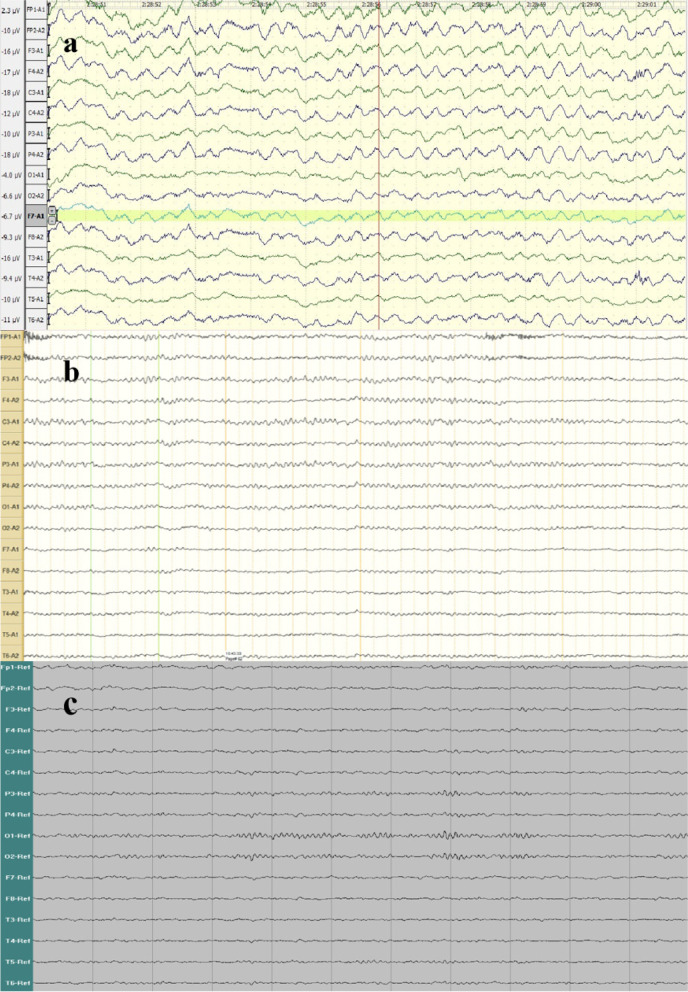
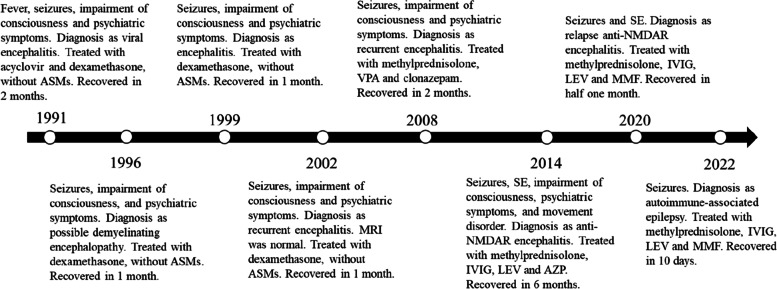
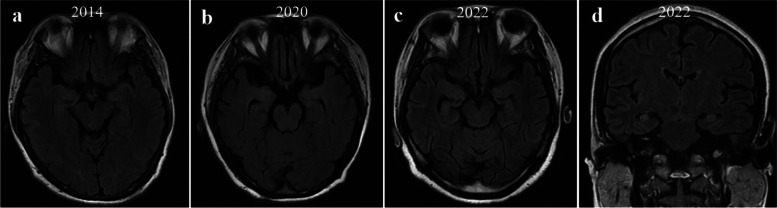
Case presentation: We report a Chinese female patient diagnosed with anti-NMDAR encephalitis. Over the past 30 years, the patient had experienced eight episodes with seizures as the first symptom, which eventually progressed to autoimmune-associated epilepsy. In the last two episodes, both serum and cerebrospinal fluid of the patient were negative for AE-related antibodies, and brain magnetic resonance imaging (MRI) revealed abnormal hyperintensity in the bilateral hippocampi. The patient's symptoms were poorly controlled by immunotherapy but well controlled by anti-seizure medicines.
Conclusions: Patients with a long history of AE and multiple relapses that start with seizures may display alterations of brain structure. Physicians should pay attention to autoimmune-associated epilepsy.




 京公网安备 11010802042870号
京ICP备2023020795号-1
京公网安备 11010802042870号
京ICP备2023020795号-1

 分享
分享
 求助内容:
求助内容: 应助结果提醒方式:
 扫码关注我们
