{"title":"城市食叶食草猴的机会主义肉食行为。","authors":"Isadora Alves de Lima, Júlio César Bicca-Marques","doi":"10.1007/s10329-023-01098-1","DOIUrl":null,"url":null,"abstract":"<p><p>The consumption of vertebrate tissues and eggs (hereinafter \"meat\") is relatively common among some primates that are highly frugivorous or eclectic omnivores, but rare or absent in those that are highly folivorous. The Neotropical howler monkeys (Alouatta spp.) belong in the latter group. Here we report the consumption of meat by free-ranging urban black and gold howler monkeys (Alouatta caraya) and discuss the potential role of the consumed meat as a source of energy, protein, or micronutrients. We studied three groups of howler monkeys (comprising four to seven individuals), living in city squares (0.6, 1.5, and 1.9 ha) in south Brazil, from July 2022 to May 2023 (65 days; 797 h of observations). All of the study groups were spontaneously supplemented daily by people with variable amounts and types of food provided. Meat was only offered in the two larger squares. The groups' diets included leaves (42-49% scan sampling feeding records), fruit (3-20%), and flowers (2-5%) from 13 to 20 plant species, and considerable amounts of supplemented food (27-50%). We recorded 33 individual events of ingestion of supplemented cooked meat, three individual events of dove egg predation, and three bird nest inspections without egg consumption. All members of the two groups in the larger squares, except an infant male, ingested meat at least once. Meat accounted for 1% of total scan feeding records of both groups with access to this supplement. We conclude that whereas the opportunistic consumption of meat probably contributed only minor amounts of energy and protein to the study subjects, it may have benefitted them with micronutrients that are scarce in plant foods.</p>","PeriodicalId":20468,"journal":{"name":"Primates","volume":" ","pages":"25-32"},"PeriodicalIF":1.5000,"publicationDate":"2024-01-01","publicationTypes":"Journal Article","fieldsOfStudy":null,"isOpenAccess":false,"openAccessPdf":"","citationCount":"0","resultStr":"{\"title\":\"Opportunistic meat-eating by urban folivorous-frugivorous monkeys.\",\"authors\":\"Isadora Alves de Lima, Júlio César Bicca-Marques\",\"doi\":\"10.1007/s10329-023-01098-1\",\"DOIUrl\":null,\"url\":null,\"abstract\":\"<p><p>The consumption of vertebrate tissues and eggs (hereinafter \\\"meat\\\") is relatively common among some primates that are highly frugivorous or eclectic omnivores, but rare or absent in those that are highly folivorous. The Neotropical howler monkeys (Alouatta spp.) belong in the latter group. Here we report the consumption of meat by free-ranging urban black and gold howler monkeys (Alouatta caraya) and discuss the potential role of the consumed meat as a source of energy, protein, or micronutrients. We studied three groups of howler monkeys (comprising four to seven individuals), living in city squares (0.6, 1.5, and 1.9 ha) in south Brazil, from July 2022 to May 2023 (65 days; 797 h of observations). All of the study groups were spontaneously supplemented daily by people with variable amounts and types of food provided. Meat was only offered in the two larger squares. The groups' diets included leaves (42-49% scan sampling feeding records), fruit (3-20%), and flowers (2-5%) from 13 to 20 plant species, and considerable amounts of supplemented food (27-50%). We recorded 33 individual events of ingestion of supplemented cooked meat, three individual events of dove egg predation, and three bird nest inspections without egg consumption. All members of the two groups in the larger squares, except an infant male, ingested meat at least once. Meat accounted for 1% of total scan feeding records of both groups with access to this supplement. We conclude that whereas the opportunistic consumption of meat probably contributed only minor amounts of energy and protein to the study subjects, it may have benefitted them with micronutrients that are scarce in plant foods.</p>\",\"PeriodicalId\":20468,\"journal\":{\"name\":\"Primates\",\"volume\":\" \",\"pages\":\"25-32\"},\"PeriodicalIF\":1.5000,\"publicationDate\":\"2024-01-01\",\"publicationTypes\":\"Journal Article\",\"fieldsOfStudy\":null,\"isOpenAccess\":false,\"openAccessPdf\":\"\",\"citationCount\":\"0\",\"resultStr\":null,\"platform\":\"Semanticscholar\",\"paperid\":null,\"PeriodicalName\":\"Primates\",\"FirstCategoryId\":\"99\",\"ListUrlMain\":\"https://doi.org/10.1007/s10329-023-01098-1\",\"RegionNum\":4,\"RegionCategory\":\"生物学\",\"ArticlePicture\":[],\"TitleCN\":null,\"AbstractTextCN\":null,\"PMCID\":null,\"EPubDate\":\"2023/10/20 0:00:00\",\"PubModel\":\"Epub\",\"JCR\":\"Q2\",\"JCRName\":\"ZOOLOGY\",\"Score\":null,\"Total\":0}","platform":"Semanticscholar","paperid":null,"PeriodicalName":"Primates","FirstCategoryId":"99","ListUrlMain":"https://doi.org/10.1007/s10329-023-01098-1","RegionNum":4,"RegionCategory":"生物学","ArticlePicture":[],"TitleCN":null,"AbstractTextCN":null,"PMCID":null,"EPubDate":"2023/10/20 0:00:00","PubModel":"Epub","JCR":"Q2","JCRName":"ZOOLOGY","Score":null,"Total":0}
Opportunistic meat-eating by urban folivorous-frugivorous monkeys.
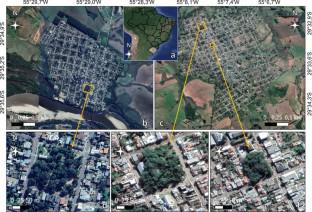
The consumption of vertebrate tissues and eggs (hereinafter "meat") is relatively common among some primates that are highly frugivorous or eclectic omnivores, but rare or absent in those that are highly folivorous. The Neotropical howler monkeys (Alouatta spp.) belong in the latter group. Here we report the consumption of meat by free-ranging urban black and gold howler monkeys (Alouatta caraya) and discuss the potential role of the consumed meat as a source of energy, protein, or micronutrients. We studied three groups of howler monkeys (comprising four to seven individuals), living in city squares (0.6, 1.5, and 1.9 ha) in south Brazil, from July 2022 to May 2023 (65 days; 797 h of observations). All of the study groups were spontaneously supplemented daily by people with variable amounts and types of food provided. Meat was only offered in the two larger squares. The groups' diets included leaves (42-49% scan sampling feeding records), fruit (3-20%), and flowers (2-5%) from 13 to 20 plant species, and considerable amounts of supplemented food (27-50%). We recorded 33 individual events of ingestion of supplemented cooked meat, three individual events of dove egg predation, and three bird nest inspections without egg consumption. All members of the two groups in the larger squares, except an infant male, ingested meat at least once. Meat accounted for 1% of total scan feeding records of both groups with access to this supplement. We conclude that whereas the opportunistic consumption of meat probably contributed only minor amounts of energy and protein to the study subjects, it may have benefitted them with micronutrients that are scarce in plant foods.
期刊介绍:
Primates is an international journal of primatology whose aim is to provide a forum for the elucidation of all aspects of primates. The oldest primatological journal, Primates publishes original papers that advance the scientific study of primates, and its scope embraces work in diverse fields covering biological bases of behavior, socio-ecology, learning and cognition, social processes, systematics, evolution, and medicine. Contributions relevant to conservation of natural populations and welfare of captive primates are welcome. Studies focusing on nonprimate species may be considered if their relevance to primatology is clear. Original Articles as well as Review Articles, News and Perspectives, and Book Reviews are included. All manuscripts received are initially screened for suitability by members of the Editorial Board, taking into account style and ethical issues, leading to a swift decision about whether to send the manuscript for external review.




 京公网安备 11010802042870号
京ICP备2023020795号-1
京公网安备 11010802042870号
京ICP备2023020795号-1

 分享
分享
 求助内容:
求助内容: 应助结果提醒方式:
 扫码关注我们
