{"title":"波斯尼亚和黑塞哥维那的跨社区旅游:通往和解的道路?","authors":"E. Aussems","doi":"10.1080/14766825.2016.1169347","DOIUrl":null,"url":null,"abstract":"ABSTRACT Memory tourism converting war heritage into tourist capital appears to emerge quickly after violent conflicts. This war tourism has an ambiguous role. On the one hand, it can contribute to a reconciliation process by appeasing the memories related to the conflictual past. Yet, on the other hand, if the message imparted by a particular site emphasizes hardships and divergent interpretations of the past, it has the potential of reinforcing existing tensions. Given this ambiguity, the objective of this article is to contribute to the still underdeveloped literature on the topic and to add to a better understanding of tourism as a way of fostering reconciliation. More precisely, through the example of Bosnia and Herzegovina, this contribution aims to highlight the scope and limits of memory tourism in the reconciliation process. To answer this question, the work of two NGOs organizing cross-community visits to sites of memory of each group in the conflict is examined. The results suggest that the dividing or reconciling scope of tourism will eventually depend on its interpretation by the individuals concerned; an interpretation itself influenced by host–visitor relationships and the environment in which they take place. Under certain conditions, memory tourism may therefore take an active part in the reconciliation process.","PeriodicalId":46712,"journal":{"name":"Journal of Tourism and Cultural Change","volume":"88 1","pages":"240 - 254"},"PeriodicalIF":2.5000,"publicationDate":"2016-05-08","publicationTypes":"Journal Article","fieldsOfStudy":null,"isOpenAccess":false,"openAccessPdf":"https://sci-hub-pdf.com/10.1080/14766825.2016.1169347","citationCount":"7","resultStr":"{\"title\":\"Cross-community tourism in Bosnia and Herzegovina: a path to reconciliation?\",\"authors\":\"E. Aussems\",\"doi\":\"10.1080/14766825.2016.1169347\",\"DOIUrl\":null,\"url\":null,\"abstract\":\"ABSTRACT Memory tourism converting war heritage into tourist capital appears to emerge quickly after violent conflicts. This war tourism has an ambiguous role. On the one hand, it can contribute to a reconciliation process by appeasing the memories related to the conflictual past. Yet, on the other hand, if the message imparted by a particular site emphasizes hardships and divergent interpretations of the past, it has the potential of reinforcing existing tensions. Given this ambiguity, the objective of this article is to contribute to the still underdeveloped literature on the topic and to add to a better understanding of tourism as a way of fostering reconciliation. More precisely, through the example of Bosnia and Herzegovina, this contribution aims to highlight the scope and limits of memory tourism in the reconciliation process. To answer this question, the work of two NGOs organizing cross-community visits to sites of memory of each group in the conflict is examined. The results suggest that the dividing or reconciling scope of tourism will eventually depend on its interpretation by the individuals concerned; an interpretation itself influenced by host–visitor relationships and the environment in which they take place. Under certain conditions, memory tourism may therefore take an active part in the reconciliation process.\",\"PeriodicalId\":46712,\"journal\":{\"name\":\"Journal of Tourism and Cultural Change\",\"volume\":\"88 1\",\"pages\":\"240 - 254\"},\"PeriodicalIF\":2.5000,\"publicationDate\":\"2016-05-08\",\"publicationTypes\":\"Journal Article\",\"fieldsOfStudy\":null,\"isOpenAccess\":false,\"openAccessPdf\":\"https://sci-hub-pdf.com/10.1080/14766825.2016.1169347\",\"citationCount\":\"7\",\"resultStr\":null,\"platform\":\"Semanticscholar\",\"paperid\":null,\"PeriodicalName\":\"Journal of Tourism and Cultural Change\",\"FirstCategoryId\":\"91\",\"ListUrlMain\":\"https://doi.org/10.1080/14766825.2016.1169347\",\"RegionNum\":4,\"RegionCategory\":\"管理学\",\"ArticlePicture\":[],\"TitleCN\":null,\"AbstractTextCN\":null,\"PMCID\":null,\"EPubDate\":\"\",\"PubModel\":\"\",\"JCR\":\"Q2\",\"JCRName\":\"HOSPITALITY, LEISURE, SPORT & TOURISM\",\"Score\":null,\"Total\":0}","platform":"Semanticscholar","paperid":null,"PeriodicalName":"Journal of Tourism and Cultural Change","FirstCategoryId":"91","ListUrlMain":"https://doi.org/10.1080/14766825.2016.1169347","RegionNum":4,"RegionCategory":"管理学","ArticlePicture":[],"TitleCN":null,"AbstractTextCN":null,"PMCID":null,"EPubDate":"","PubModel":"","JCR":"Q2","JCRName":"HOSPITALITY, LEISURE, SPORT & TOURISM","Score":null,"Total":0}
Cross-community tourism in Bosnia and Herzegovina: a path to reconciliation?
ABSTRACT Memory tourism converting war heritage into tourist capital appears to emerge quickly after violent conflicts. This war tourism has an ambiguous role. On the one hand, it can contribute to a reconciliation process by appeasing the memories related to the conflictual past. Yet, on the other hand, if the message imparted by a particular site emphasizes hardships and divergent interpretations of the past, it has the potential of reinforcing existing tensions. Given this ambiguity, the objective of this article is to contribute to the still underdeveloped literature on the topic and to add to a better understanding of tourism as a way of fostering reconciliation. More precisely, through the example of Bosnia and Herzegovina, this contribution aims to highlight the scope and limits of memory tourism in the reconciliation process. To answer this question, the work of two NGOs organizing cross-community visits to sites of memory of each group in the conflict is examined. The results suggest that the dividing or reconciling scope of tourism will eventually depend on its interpretation by the individuals concerned; an interpretation itself influenced by host–visitor relationships and the environment in which they take place. Under certain conditions, memory tourism may therefore take an active part in the reconciliation process.
期刊介绍:
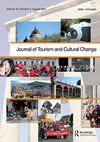
Journal of Tourism and Cultural Change ( JTCC ) is a peer-reviewed, transdisciplinary and transnational journal. It focuses on critically examining the relationships, tensions, representations, conflicts and possibilities that exist between tourism/travel and culture/cultures in an increasingly complex global context. JTCC provides a forum for debate against the backdrop of local, regional, national and transnational understandings of identity and difference. Economic restructuring, recognitions of the cultural dimension of biodiversity and sustainable development, contests regarding the positive and negative impact of patterns of tourist behaviour on cultural diversity, and transcultural strivings - all provide an important focus for JTCC . Global capitalism, in its myriad forms engages with multiple ''ways of being'', generating new relationships, re-evaluating existing, and challenging ways of knowing and being. Tourists and the tourism industry continue to find inventive ways to commodify, transform, present/re-present and consume material culture. JTCC seeks to widen and deepen understandings of such changing relationships and stimulate critical debate by: -Adopting a multidisciplinary approach -Encouraging deep and critical approaches to policy and practice -Embracing an inclusive definition of culture -Focusing on the concept, processes and meanings of change -Encouraging trans-national/transcultural perspectives



 京公网安备 11010802042870号
京ICP备2023020795号-1
京公网安备 11010802042870号
京ICP备2023020795号-1

 分享
分享
 求助内容:
求助内容: 应助结果提醒方式:
 扫码关注我们
