{"title":"日常活动的变化和青少年犯罪的下降:1999-2017年瑞典自我报告犯罪的重复横断面分析","authors":"Robert Svensson, Dietrich Oberwittler","doi":"10.1111/1745-9125.12273","DOIUrl":null,"url":null,"abstract":"This study examines the declining crime trend among Swedish adolescents between 1999 and 2017 using data from eight repeated cross-sectional waves of a nationally representative school survey ( N = ca. 49,000). We examined to what extent changes in parental monitoring, school bonds, attitudes toward crime, routine activities, and binge drinking were related to the noticeable decline in youth crime. Multilevel modeling was employed for the analysis of temporal trends. We found strong","PeriodicalId":72719,"journal":{"name":"","volume":"59 2","pages":"351-386"},"PeriodicalIF":0.0,"publicationDate":"2021-05-31","publicationTypes":"Journal Article","fieldsOfStudy":null,"isOpenAccess":false,"openAccessPdf":"https://sci-hub-pdf.com/10.1111/1745-9125.12273","citationCount":"18","resultStr":"{\"title\":\"Changing routine activities and the decline of youth crime: A repeated cross-sectional analysis of self-reported delinquency in Sweden, 1999–2017†\",\"authors\":\"Robert Svensson, Dietrich Oberwittler\",\"doi\":\"10.1111/1745-9125.12273\",\"DOIUrl\":null,\"url\":null,\"abstract\":\"This study examines the declining crime trend among Swedish adolescents between 1999 and 2017 using data from eight repeated cross-sectional waves of a nationally representative school survey ( N = ca. 49,000). We examined to what extent changes in parental monitoring, school bonds, attitudes toward crime, routine activities, and binge drinking were related to the noticeable decline in youth crime. Multilevel modeling was employed for the analysis of temporal trends. We found strong\",\"PeriodicalId\":72719,\"journal\":{\"name\":\"\",\"volume\":\"59 2\",\"pages\":\"351-386\"},\"PeriodicalIF\":0.0,\"publicationDate\":\"2021-05-31\",\"publicationTypes\":\"Journal Article\",\"fieldsOfStudy\":null,\"isOpenAccess\":false,\"openAccessPdf\":\"https://sci-hub-pdf.com/10.1111/1745-9125.12273\",\"citationCount\":\"18\",\"resultStr\":null,\"platform\":\"Semanticscholar\",\"paperid\":null,\"PeriodicalName\":\"\",\"FirstCategoryId\":\"90\",\"ListUrlMain\":\"https://onlinelibrary.wiley.com/doi/10.1111/1745-9125.12273\",\"RegionNum\":0,\"RegionCategory\":null,\"ArticlePicture\":[],\"TitleCN\":null,\"AbstractTextCN\":null,\"PMCID\":null,\"EPubDate\":\"\",\"PubModel\":\"\",\"JCR\":\"\",\"JCRName\":\"\",\"Score\":null,\"Total\":0}","platform":"Semanticscholar","paperid":null,"PeriodicalName":"","FirstCategoryId":"90","ListUrlMain":"https://onlinelibrary.wiley.com/doi/10.1111/1745-9125.12273","RegionNum":0,"RegionCategory":null,"ArticlePicture":[],"TitleCN":null,"AbstractTextCN":null,"PMCID":null,"EPubDate":"","PubModel":"","JCR":"","JCRName":"","Score":null,"Total":0}
Changing routine activities and the decline of youth crime: A repeated cross-sectional analysis of self-reported delinquency in Sweden, 1999–2017†
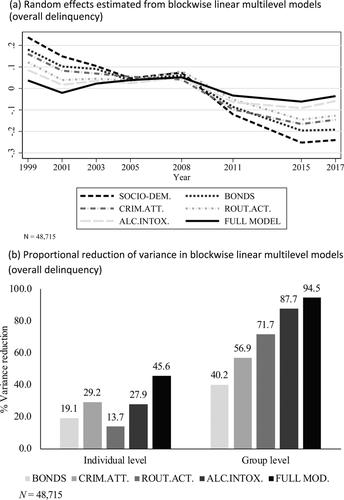
This study examines the declining crime trend among Swedish adolescents between 1999 and 2017 using data from eight repeated cross-sectional waves of a nationally representative school survey ( N = ca. 49,000). We examined to what extent changes in parental monitoring, school bonds, attitudes toward crime, routine activities, and binge drinking were related to the noticeable decline in youth crime. Multilevel modeling was employed for the analysis of temporal trends. We found strong



 京公网安备 11010802042870号
京ICP备2023020795号-1
京公网安备 11010802042870号
京ICP备2023020795号-1

 分享
分享
 求助内容:
求助内容: 应助结果提醒方式:
 扫码关注我们
