{"title":"对中度精神障碍患者参加体育锻炼的促进因素和障碍进行定性分析。","authors":"Denise van Rijen, Gill A Ten Hoor","doi":"10.1007/s10389-022-01720-4","DOIUrl":null,"url":null,"abstract":"<p><strong>Aim: </strong>The current study aims to qualitatively identify determinants, barriers and facilitators of physical activity among a population with mental health disorders.</p><p><strong>Subject and methods: </strong>Seventeen participants with moderate mental disorders were recruited. Semi-structured interviews were conducted to identify physical activity facilitators and barriers. Data were organized and analysed in ATLAS.ti, mainly based on a generic qualitative research approach.</p><p><strong>Results: </strong>Most participants found physical activity important and expressed a positive attitude towards it. In general, higher self-efficacy and more social support were beneficial for participants' physical activity levels. Reasons/facilitating factors to be more physically active were: having fun, good weather, progress, routine, self-compassion and a stimulating environment. Barriers were not having fun, being busy, mental complaints, lack of energy, procrastination and physical complaints.</p><p><strong>Conclusion: </strong>Future interventions could promote physical activity among people with moderate mental disorders to help them identify and overcome barriers. The newly identified determinant 'self-compassion' could be an interesting target for promoting physical activity in this group of people with moderate mental disorders.</p>","PeriodicalId":8623,"journal":{"name":"Atherosclerosis","volume":"130 1","pages":"1-16"},"PeriodicalIF":5.7000,"publicationDate":"2022-06-01","publicationTypes":"Journal Article","fieldsOfStudy":null,"isOpenAccess":false,"openAccessPdf":"https://www.ncbi.nlm.nih.gov/pmc/articles/PMC9157478/pdf/","citationCount":"0","resultStr":"{\"title\":\"A qualitative analysis of facilitators and barriers to physical activity among patients with moderate mental disorders.\",\"authors\":\"Denise van Rijen, Gill A Ten Hoor\",\"doi\":\"10.1007/s10389-022-01720-4\",\"DOIUrl\":null,\"url\":null,\"abstract\":\"<p><strong>Aim: </strong>The current study aims to qualitatively identify determinants, barriers and facilitators of physical activity among a population with mental health disorders.</p><p><strong>Subject and methods: </strong>Seventeen participants with moderate mental disorders were recruited. Semi-structured interviews were conducted to identify physical activity facilitators and barriers. Data were organized and analysed in ATLAS.ti, mainly based on a generic qualitative research approach.</p><p><strong>Results: </strong>Most participants found physical activity important and expressed a positive attitude towards it. In general, higher self-efficacy and more social support were beneficial for participants' physical activity levels. Reasons/facilitating factors to be more physically active were: having fun, good weather, progress, routine, self-compassion and a stimulating environment. Barriers were not having fun, being busy, mental complaints, lack of energy, procrastination and physical complaints.</p><p><strong>Conclusion: </strong>Future interventions could promote physical activity among people with moderate mental disorders to help them identify and overcome barriers. The newly identified determinant 'self-compassion' could be an interesting target for promoting physical activity in this group of people with moderate mental disorders.</p>\",\"PeriodicalId\":8623,\"journal\":{\"name\":\"Atherosclerosis\",\"volume\":\"130 1\",\"pages\":\"1-16\"},\"PeriodicalIF\":5.7000,\"publicationDate\":\"2022-06-01\",\"publicationTypes\":\"Journal Article\",\"fieldsOfStudy\":null,\"isOpenAccess\":false,\"openAccessPdf\":\"https://www.ncbi.nlm.nih.gov/pmc/articles/PMC9157478/pdf/\",\"citationCount\":\"0\",\"resultStr\":null,\"platform\":\"Semanticscholar\",\"paperid\":null,\"PeriodicalName\":\"Atherosclerosis\",\"FirstCategoryId\":\"1085\",\"ListUrlMain\":\"https://doi.org/10.1007/s10389-022-01720-4\",\"RegionNum\":2,\"RegionCategory\":\"医学\",\"ArticlePicture\":[],\"TitleCN\":null,\"AbstractTextCN\":null,\"PMCID\":null,\"EPubDate\":\"\",\"PubModel\":\"\",\"JCR\":\"Q1\",\"JCRName\":\"CARDIAC & CARDIOVASCULAR SYSTEMS\",\"Score\":null,\"Total\":0}","platform":"Semanticscholar","paperid":null,"PeriodicalName":"Atherosclerosis","FirstCategoryId":"1085","ListUrlMain":"https://doi.org/10.1007/s10389-022-01720-4","RegionNum":2,"RegionCategory":"医学","ArticlePicture":[],"TitleCN":null,"AbstractTextCN":null,"PMCID":null,"EPubDate":"","PubModel":"","JCR":"Q1","JCRName":"CARDIAC & CARDIOVASCULAR SYSTEMS","Score":null,"Total":0}
A qualitative analysis of facilitators and barriers to physical activity among patients with moderate mental disorders.
Aim: The current study aims to qualitatively identify determinants, barriers and facilitators of physical activity among a population with mental health disorders.
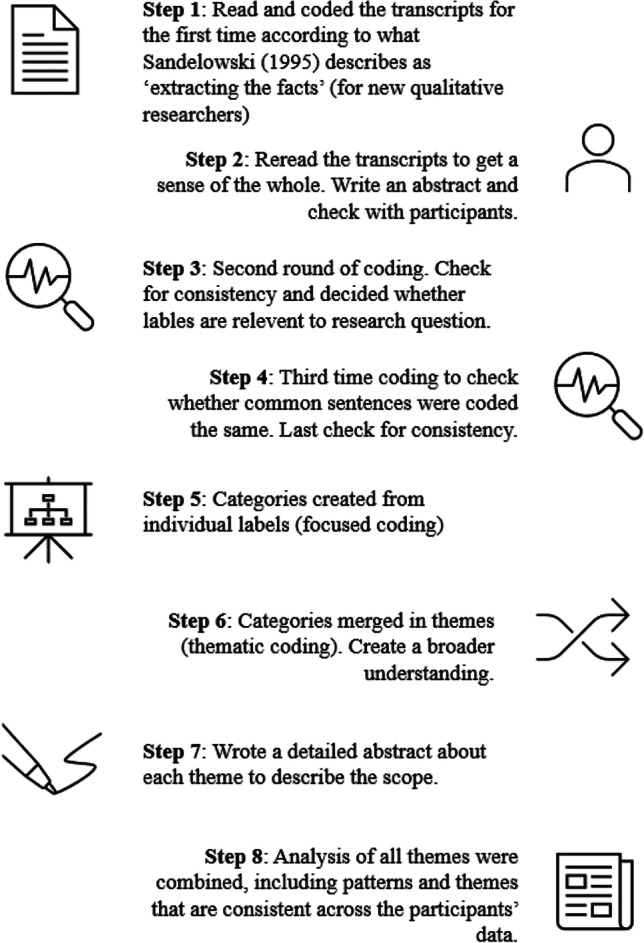
Subject and methods: Seventeen participants with moderate mental disorders were recruited. Semi-structured interviews were conducted to identify physical activity facilitators and barriers. Data were organized and analysed in ATLAS.ti, mainly based on a generic qualitative research approach.
Results: Most participants found physical activity important and expressed a positive attitude towards it. In general, higher self-efficacy and more social support were beneficial for participants' physical activity levels. Reasons/facilitating factors to be more physically active were: having fun, good weather, progress, routine, self-compassion and a stimulating environment. Barriers were not having fun, being busy, mental complaints, lack of energy, procrastination and physical complaints.
Conclusion: Future interventions could promote physical activity among people with moderate mental disorders to help them identify and overcome barriers. The newly identified determinant 'self-compassion' could be an interesting target for promoting physical activity in this group of people with moderate mental disorders.
期刊介绍:
Atherosclerosis has an open access mirror journal Atherosclerosis: X, sharing the same aims and scope, editorial team, submission system and rigorous peer review.
Atherosclerosis brings together, from all sources, papers concerned with investigation on atherosclerosis, its risk factors and clinical manifestations. Atherosclerosis covers basic and translational, clinical and population research approaches to arterial and vascular biology and disease, as well as their risk factors including: disturbances of lipid and lipoprotein metabolism, diabetes and hypertension, thrombosis, and inflammation. The Editors are interested in original or review papers dealing with the pathogenesis, environmental, genetic and epigenetic basis, diagnosis or treatment of atherosclerosis and related diseases as well as their risk factors.




 京公网安备 11010802042870号
京ICP备2023020795号-1
京公网安备 11010802042870号
京ICP备2023020795号-1

 分享
分享
 求助内容:
求助内容: 应助结果提醒方式:
 扫码关注我们
