Fabio A. Storm, Mattia Chiappini, Carla Dei, Caterina Piazza, Elisabeth André, Nadine Reißner, Ingrid Brdar, Antonella Delle Fave, Patrick Gebhard, Matteo Malosio, Alberto Peña Fernández, Snježana Štefok, Gianluigi Reni
{"title":"协作机器人工人的身心健康:使用软件-硬件-环境-现场机器人-现场机器人-组织模型的范围审查","authors":"Fabio A. Storm, Mattia Chiappini, Carla Dei, Caterina Piazza, Elisabeth André, Nadine Reißner, Ingrid Brdar, Antonella Delle Fave, Patrick Gebhard, Matteo Malosio, Alberto Peña Fernández, Snježana Štefok, Gianluigi Reni","doi":"10.1002/hfm.20952","DOIUrl":null,"url":null,"abstract":"<p>The present scoping review investigated the current state of the art concerning factors affecting physical and mental health and well-being of workers using collaborative robots (cobots) in manufacturing industries. Each identified factor was classified using the SHELLO (Software-Hardware-Environment-Liveware-Liveware-Organization) conceptual model. Strengths and limitations of such an approach were outlined. A total of 53 papers were included in the scoping review and analyzed following PRISMA guidelines. In 35 papers at least one risk factor referred to the SHELLO Liveware-Hardware interaction, followed by factors concerning Liveware-Software (16 papers), Liveware-Liveware (11 papers), Liveware intrinsic factor (10 papers), Liveware-Organization (8 papers), and Liveware-Environment (8 papers). This work highlighted that methodological research is still primarily focused on traditional risk assessment and physical safety. However, several research directions concerning the design of cobots as active collaborators were identified, promoting workers' mental health and well-being, too. The SHELLO model proved to effectively highlight human factors relevant for the design of cobots and can provide a systemic approach to investigate human factors in other complex sociotechnical systems. To the best of our knowledge, this is the first time the model is applied in the field of human–cobot interaction.</p>","PeriodicalId":73259,"journal":{"name":"","volume":"32 5","pages":"419-435"},"PeriodicalIF":0.0,"publicationDate":"2022-04-11","publicationTypes":"Journal Article","fieldsOfStudy":null,"isOpenAccess":false,"openAccessPdf":"https://onlinelibrary.wiley.com/doi/epdf/10.1002/hfm.20952","citationCount":"7","resultStr":"{\"title\":\"Physical and mental well-being of cobot workers: A scoping review using the Software-Hardware-Environment-Liveware-Liveware-Organization model\",\"authors\":\"Fabio A. Storm, Mattia Chiappini, Carla Dei, Caterina Piazza, Elisabeth André, Nadine Reißner, Ingrid Brdar, Antonella Delle Fave, Patrick Gebhard, Matteo Malosio, Alberto Peña Fernández, Snježana Štefok, Gianluigi Reni\",\"doi\":\"10.1002/hfm.20952\",\"DOIUrl\":null,\"url\":null,\"abstract\":\"<p>The present scoping review investigated the current state of the art concerning factors affecting physical and mental health and well-being of workers using collaborative robots (cobots) in manufacturing industries. Each identified factor was classified using the SHELLO (Software-Hardware-Environment-Liveware-Liveware-Organization) conceptual model. Strengths and limitations of such an approach were outlined. A total of 53 papers were included in the scoping review and analyzed following PRISMA guidelines. In 35 papers at least one risk factor referred to the SHELLO Liveware-Hardware interaction, followed by factors concerning Liveware-Software (16 papers), Liveware-Liveware (11 papers), Liveware intrinsic factor (10 papers), Liveware-Organization (8 papers), and Liveware-Environment (8 papers). This work highlighted that methodological research is still primarily focused on traditional risk assessment and physical safety. However, several research directions concerning the design of cobots as active collaborators were identified, promoting workers' mental health and well-being, too. The SHELLO model proved to effectively highlight human factors relevant for the design of cobots and can provide a systemic approach to investigate human factors in other complex sociotechnical systems. To the best of our knowledge, this is the first time the model is applied in the field of human–cobot interaction.</p>\",\"PeriodicalId\":73259,\"journal\":{\"name\":\"\",\"volume\":\"32 5\",\"pages\":\"419-435\"},\"PeriodicalIF\":0.0,\"publicationDate\":\"2022-04-11\",\"publicationTypes\":\"Journal Article\",\"fieldsOfStudy\":null,\"isOpenAccess\":false,\"openAccessPdf\":\"https://onlinelibrary.wiley.com/doi/epdf/10.1002/hfm.20952\",\"citationCount\":\"7\",\"resultStr\":null,\"platform\":\"Semanticscholar\",\"paperid\":null,\"PeriodicalName\":\"\",\"FirstCategoryId\":\"5\",\"ListUrlMain\":\"https://onlinelibrary.wiley.com/doi/10.1002/hfm.20952\",\"RegionNum\":0,\"RegionCategory\":null,\"ArticlePicture\":[],\"TitleCN\":null,\"AbstractTextCN\":null,\"PMCID\":null,\"EPubDate\":\"\",\"PubModel\":\"\",\"JCR\":\"\",\"JCRName\":\"\",\"Score\":null,\"Total\":0}","platform":"Semanticscholar","paperid":null,"PeriodicalName":"","FirstCategoryId":"5","ListUrlMain":"https://onlinelibrary.wiley.com/doi/10.1002/hfm.20952","RegionNum":0,"RegionCategory":null,"ArticlePicture":[],"TitleCN":null,"AbstractTextCN":null,"PMCID":null,"EPubDate":"","PubModel":"","JCR":"","JCRName":"","Score":null,"Total":0}
Physical and mental well-being of cobot workers: A scoping review using the Software-Hardware-Environment-Liveware-Liveware-Organization model
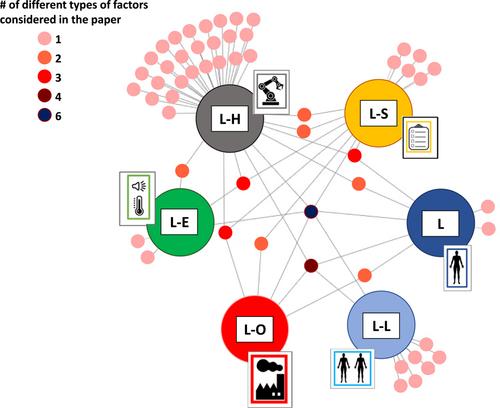
The present scoping review investigated the current state of the art concerning factors affecting physical and mental health and well-being of workers using collaborative robots (cobots) in manufacturing industries. Each identified factor was classified using the SHELLO (Software-Hardware-Environment-Liveware-Liveware-Organization) conceptual model. Strengths and limitations of such an approach were outlined. A total of 53 papers were included in the scoping review and analyzed following PRISMA guidelines. In 35 papers at least one risk factor referred to the SHELLO Liveware-Hardware interaction, followed by factors concerning Liveware-Software (16 papers), Liveware-Liveware (11 papers), Liveware intrinsic factor (10 papers), Liveware-Organization (8 papers), and Liveware-Environment (8 papers). This work highlighted that methodological research is still primarily focused on traditional risk assessment and physical safety. However, several research directions concerning the design of cobots as active collaborators were identified, promoting workers' mental health and well-being, too. The SHELLO model proved to effectively highlight human factors relevant for the design of cobots and can provide a systemic approach to investigate human factors in other complex sociotechnical systems. To the best of our knowledge, this is the first time the model is applied in the field of human–cobot interaction.



 京公网安备 11010802042870号
京ICP备2023020795号-1
京公网安备 11010802042870号
京ICP备2023020795号-1

 分享
分享
 求助内容:
求助内容: 应助结果提醒方式:
 扫码关注我们
