Reham G. Elfarargy , Mohamed Sedki , Farag A. Samhan , Rabeay Y.A. Hassan , Ibrahim M. El-Sherbiny
{"title":"Surface grafting of polymeric catheters and stents to prevent biofilm formation of pathogenic bacteria","authors":"Reham G. Elfarargy , Mohamed Sedki , Farag A. Samhan , Rabeay Y.A. Hassan , Ibrahim M. El-Sherbiny","doi":"10.1186/s43141-023-00545-2","DOIUrl":null,"url":null,"abstract":"<div><h3>Background</h3><div>Tecothane (medical grade of polyurethane) is strongly involved in the fabrication of metallic and polymeric-based medical devices (e.g., catheters and stents) as they can withstand cardiac cycle-related forces without deforming or failing, and they can mimic tissue behavior. The main problem is microbial contamination and formation of pathogenic biofilms on such solid surfaces within the human body. Accordingly, our hypothesis is the coating of tecothane outer surfaces with antibacterial agents through the electro-deposition or chemical grafting of anti-biofilm agents onto the stent and catheter surfaces.</div></div><div><h3>Results</h3><div>Tecothane is grafted with itaconic acid for cross-linking the polyethyleneimine (PEI) as the protective-active layer. Accordingly, the grafting of poly-itaconic acid onto the Tecothane was achieved by three different methods: wet-chemical approach, electro-polymerization, or by using plasma treatment. The successful modifications were verified using Fourier Transform Infrared (FTIR) spectroscopy, grafting percentage calculations, electrochemical, and microscopic monitoring of biofilm formation. The grafting efficiency of itaconic acid was over 3.2% (w/w) at 60 ℃ after 6 h of the catheter chemical modification. Bio-electrochemical signals of biofilms have been seriously reduced after chemical modification because of the inhibition of biofilm formation (for both <em>Pseudomonas aeruginosa</em> and <em>Staphylococcus aureus</em>) over a period of 9 days.</div></div><div><h3>Conclusion</h3><div>Chemical functionalization of the polyurethane materials with the antimicrobial and anti-biofilm agents led to a significant decrease in the formation of pathogenic biofilms. This promising proof-concept will open the door to explore further surface protection with potential anti-biofilm agents providing better and sustainable productions of stents and catheters biomaterials.</div></div><div><h3>Graphical Abstract</h3><div><figure><img></figure></div></div>","PeriodicalId":53463,"journal":{"name":"Journal of Genetic Engineering and Biotechnology","volume":"21 1","pages":"Article 92"},"PeriodicalIF":2.8000,"publicationDate":"2023-12-01","publicationTypes":"Journal Article","fieldsOfStudy":null,"isOpenAccess":false,"openAccessPdf":"https://www.ncbi.nlm.nih.gov/pmc/articles/PMC10501021/pdf/","citationCount":"0","resultStr":null,"platform":"Semanticscholar","paperid":null,"PeriodicalName":"Journal of Genetic Engineering and Biotechnology","FirstCategoryId":"1085","ListUrlMain":"https://www.sciencedirect.com/science/article/pii/S1687157X23010302","RegionNum":0,"RegionCategory":null,"ArticlePicture":[],"TitleCN":null,"AbstractTextCN":null,"PMCID":null,"EPubDate":"2023/9/14 0:00:00","PubModel":"Epub","JCR":"Q3","JCRName":"Biochemistry, Genetics and Molecular Biology","Score":null,"Total":0}
引用次数: 0
Abstract
Background
Tecothane (medical grade of polyurethane) is strongly involved in the fabrication of metallic and polymeric-based medical devices (e.g., catheters and stents) as they can withstand cardiac cycle-related forces without deforming or failing, and they can mimic tissue behavior. The main problem is microbial contamination and formation of pathogenic biofilms on such solid surfaces within the human body. Accordingly, our hypothesis is the coating of tecothane outer surfaces with antibacterial agents through the electro-deposition or chemical grafting of anti-biofilm agents onto the stent and catheter surfaces.
Results
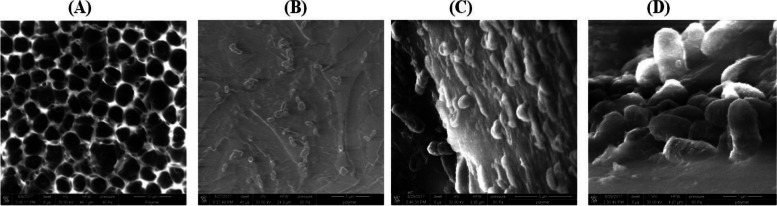
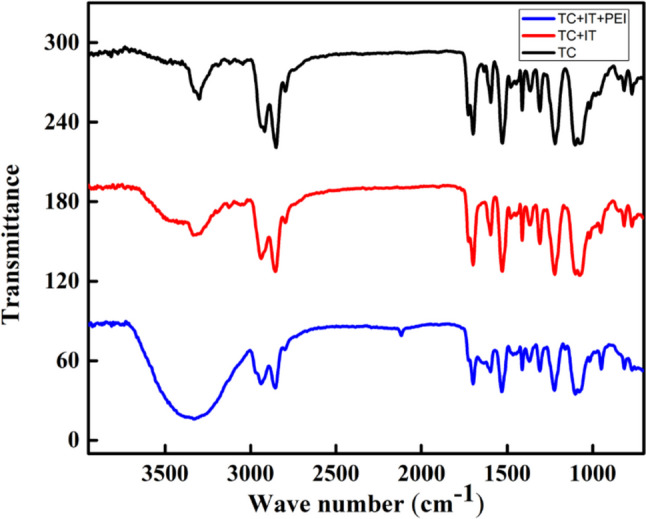
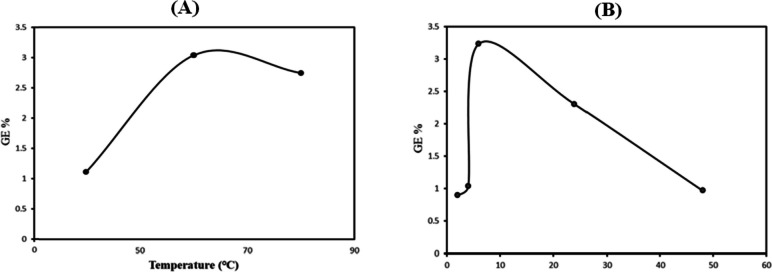
Tecothane is grafted with itaconic acid for cross-linking the polyethyleneimine (PEI) as the protective-active layer. Accordingly, the grafting of poly-itaconic acid onto the Tecothane was achieved by three different methods: wet-chemical approach, electro-polymerization, or by using plasma treatment. The successful modifications were verified using Fourier Transform Infrared (FTIR) spectroscopy, grafting percentage calculations, electrochemical, and microscopic monitoring of biofilm formation. The grafting efficiency of itaconic acid was over 3.2% (w/w) at 60 ℃ after 6 h of the catheter chemical modification. Bio-electrochemical signals of biofilms have been seriously reduced after chemical modification because of the inhibition of biofilm formation (for both Pseudomonas aeruginosa and Staphylococcus aureus) over a period of 9 days.
Conclusion
Chemical functionalization of the polyurethane materials with the antimicrobial and anti-biofilm agents led to a significant decrease in the formation of pathogenic biofilms. This promising proof-concept will open the door to explore further surface protection with potential anti-biofilm agents providing better and sustainable productions of stents and catheters biomaterials.
期刊介绍:
Journal of genetic engineering and biotechnology is devoted to rapid publication of full-length research papers that leads to significant contribution in advancing knowledge in genetic engineering and biotechnology and provide novel perspectives in this research area. JGEB includes all major themes related to genetic engineering and recombinant DNA. The area of interest of JGEB includes but not restricted to: •Plant genetics •Animal genetics •Bacterial enzymes •Agricultural Biotechnology, •Biochemistry, •Biophysics, •Bioinformatics, •Environmental Biotechnology, •Industrial Biotechnology, •Microbial biotechnology, •Medical Biotechnology, •Bioenergy, Biosafety, •Biosecurity, •Bioethics, •GMOS, •Genomic, •Proteomic JGEB accepts




 京公网安备 11010802042870号
京ICP备2023020795号-1
京公网安备 11010802042870号
京ICP备2023020795号-1

 分享
分享
 求助内容:
求助内容: 应助结果提醒方式:
 扫码关注我们
