Chaitali S Waghmare, Shivcharan R Bidve, Ramacharya V Gudi, Megha L Nalawade, Mukesh B Chawda
{"title":"Assessment of Chronic Toxicity of an Ayurvedic Herbo-Metallic Formulation Rasaraj Rasa in Wistar Rats.","authors":"Chaitali S Waghmare, Shivcharan R Bidve, Ramacharya V Gudi, Megha L Nalawade, Mukesh B Chawda","doi":"10.3831/KPI.2022.25.4.354","DOIUrl":null,"url":null,"abstract":"<p><strong>Objectives: </strong>This study aimed to assess the adverse effects of Rasaraj Rasa tablets after repeated oral administration for 180 days in Wistar rats.</p><p><strong>Methods: </strong>Wistar rats were divided into five groups, of which three were treated with 54, 162, and 270 mg/kg body weight of Rasaraj Rasa, respectively, which correspond to one, three, and five times the proposed human therapeutic dose, for 180 days consecutively. The fifth group (satellite) also received 270 mg/kg body weight of Rasaraj Rasa for 180 days. Body weight and food intake were measured weekly. At the end of the study, all rats were sacrificed, and their blood, serum, and organs were collected and examined using hematology, serum biochemistry, gross pathology, and histopathology tests. In contrast, the satellite group was kept for 4 weeks after treatment.</p><p><strong>Results: </strong>No significant treatment-related toxicological findings were observed in the clinical features, body weight, laboratory findings, and pathological findings of the high-dose treated groups, when compared to those of the control group.</p><p><strong>Conclusion: </strong>The no-observed-adverse-effect-level for Rasaraj Rasa in Wistar rats is set at 270 mg/kg body weight.</p>","PeriodicalId":16769,"journal":{"name":"Journal of Pharmacopuncture","volume":"25 4","pages":"354-363"},"PeriodicalIF":1.8000,"publicationDate":"2022-12-31","publicationTypes":"Journal Article","fieldsOfStudy":null,"isOpenAccess":false,"openAccessPdf":"https://ftp.ncbi.nlm.nih.gov/pub/pmc/oa_pdf/a7/f9/jop-25-4-354.PMC9806152.pdf","citationCount":"0","resultStr":null,"platform":"Semanticscholar","paperid":null,"PeriodicalName":"Journal of Pharmacopuncture","FirstCategoryId":"1085","ListUrlMain":"https://doi.org/10.3831/KPI.2022.25.4.354","RegionNum":0,"RegionCategory":null,"ArticlePicture":[],"TitleCN":null,"AbstractTextCN":null,"PMCID":null,"EPubDate":"","PubModel":"","JCR":"Q3","JCRName":"INTEGRATIVE & COMPLEMENTARY MEDICINE","Score":null,"Total":0}
引用次数: 0
Abstract
Objectives: This study aimed to assess the adverse effects of Rasaraj Rasa tablets after repeated oral administration for 180 days in Wistar rats.
Methods: Wistar rats were divided into five groups, of which three were treated with 54, 162, and 270 mg/kg body weight of Rasaraj Rasa, respectively, which correspond to one, three, and five times the proposed human therapeutic dose, for 180 days consecutively. The fifth group (satellite) also received 270 mg/kg body weight of Rasaraj Rasa for 180 days. Body weight and food intake were measured weekly. At the end of the study, all rats were sacrificed, and their blood, serum, and organs were collected and examined using hematology, serum biochemistry, gross pathology, and histopathology tests. In contrast, the satellite group was kept for 4 weeks after treatment.
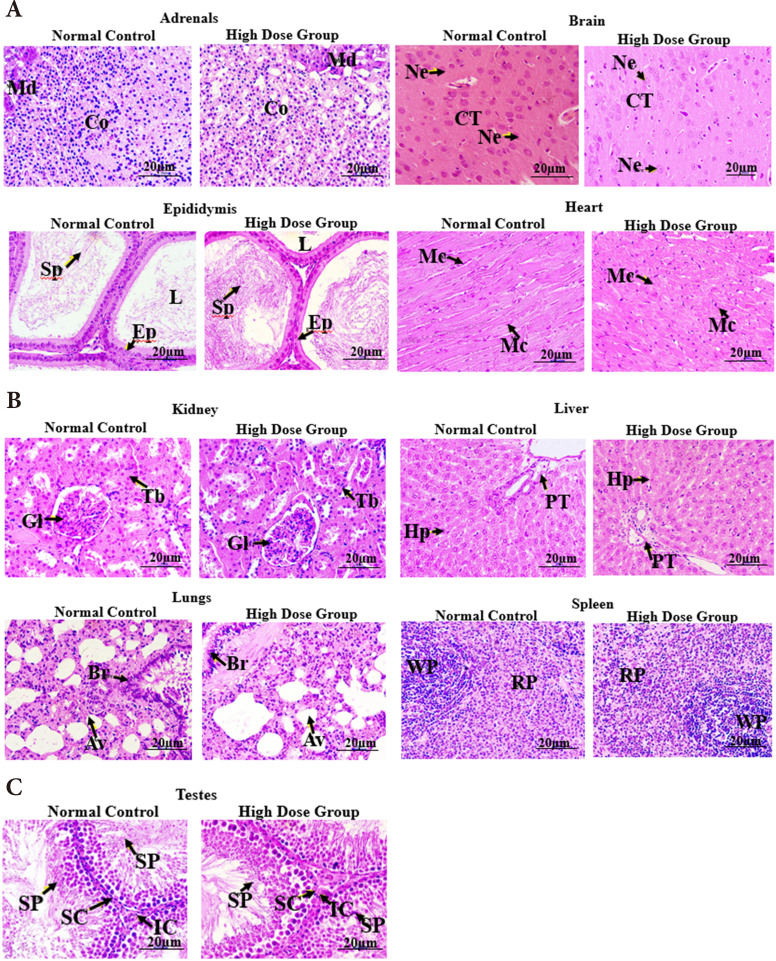
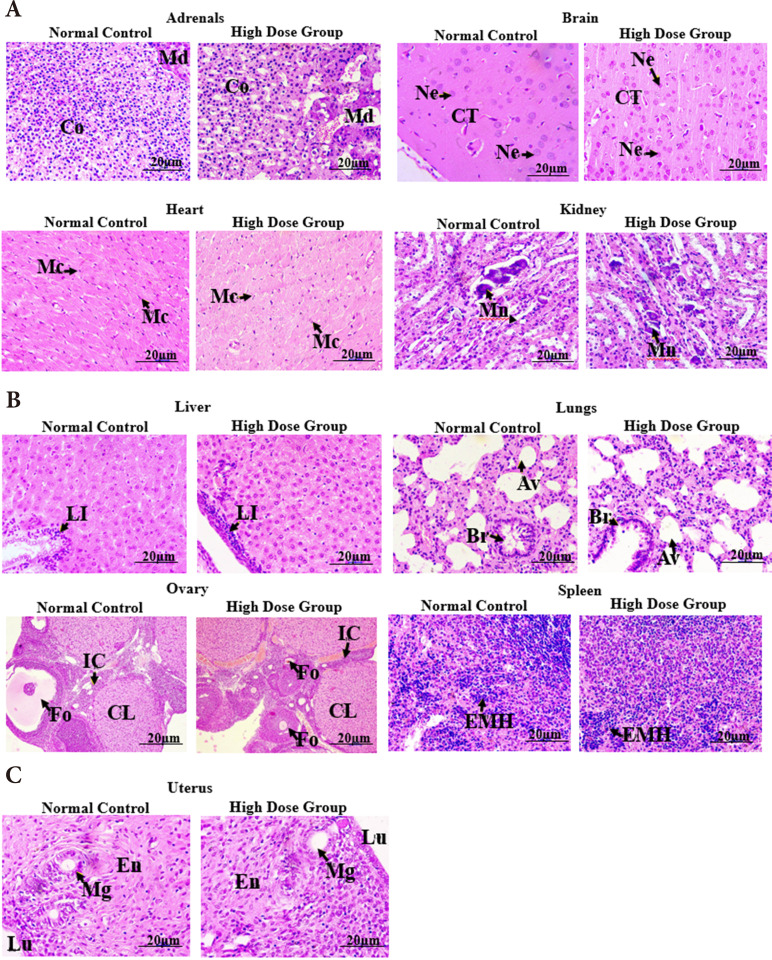
Results: No significant treatment-related toxicological findings were observed in the clinical features, body weight, laboratory findings, and pathological findings of the high-dose treated groups, when compared to those of the control group.
Conclusion: The no-observed-adverse-effect-level for Rasaraj Rasa in Wistar rats is set at 270 mg/kg body weight.
期刊介绍:
The Journal of Pharmacopuncture covers a wide range of basic and clinical science research relevant to all aspects of the biotechnology of integrated approaches using both pharmacology and acupuncture therapeutics, including research involving pharmacology, acupuncture studies and pharmacopuncture studies. The subjects are mainly divided into three categories: pharmacology (applied phytomedicine, plant sciences, pharmacology, toxicology, medicinal plants, traditional medicines, herbal medicine, Sasang constitutional medicine, herbal formulae, foods, agricultural technologies, naturopathy, etc.), acupuncture (acupressure, electroacupuncture, laser acupuncture, moxibustion, cupping, etc.), and pharmacopuncture (aqua-acupuncture, meridian pharmacopuncture, eight-principles pharmacopuncture, animal-based pharmacopuncture, mountain ginseng pharmacopuncture, bee venom therapy, needle embedding therapy, implant therapy, etc.). Other categories include chuna treatment, veterinary acupuncture and related animal studies, alternative medicines for treating cancer and cancer-related symptoms, etc. Broader topical coverage on the effects of acupuncture, the medical plants used in traditional and alternative medicine, pharmacological action and other related modalities, such as anthroposophy, homeopathy, ayurveda, bioelectromagnetic therapy, chiropractic, neural therapy and meditation, can be considered to be within the journal’s scope if based on acupoints and meridians. Submissions of original articles, review articles, systematic reviews, case reports, brief reports, opinions, commentaries, medical lectures, letters to the editor, photo-essays, technical notes, and book reviews are encouraged. Providing free access to the full text of all current and archived articles on its website (www.journal.ac), also searchable through a Google Scholar search.




 京公网安备 11010802042870号
京ICP备2023020795号-1
京公网安备 11010802042870号
京ICP备2023020795号-1

 分享
分享
 求助内容:
求助内容: 应助结果提醒方式:
 扫码关注我们
