Jude M. Reyes, John Vincent M. Tumaneng, Gilbert U. Yu*
{"title":"Facile Grignard Reaction Demonstration Using Molecular Sieved Dried Solvent","authors":"Jude M. Reyes, John Vincent M. Tumaneng, Gilbert U. Yu*","doi":"10.1021/acs.chas.1c00015","DOIUrl":null,"url":null,"abstract":"<p >Methods involving C–C bond formation are continuously being innovated due to their importance in the creation and modification of important organic molecules. The classic Grignard reaction demonstrates C–C bond formation with reagents that are usually accessible in undergraduate laboratory classes. Oftentimes, to make the Grignard reaction viable, the reactions are assisted by heating at elevated temperatures or with the use of a catalyst accompanied by solvents that have been dried using highly reactive sodium metal (Na<sup>0</sup>)─conditions which increase the risk of a laboratory fire or explosion. For this work, a method to conduct Grignard reactions under mild conditions utilizing sand-paper-polished Mg ribbons and solvent dried using molecular sieves was developed. The conscientious, accessible, and easy-to-follow preparation of both the solvent and the Mg ribbons is found to contribute more to the percent conversion of reagents to products. The average percent conversion with the proposed method ranged from 76.8% to 99.5% based on <sup>1</sup>H NMR results. This makes the Grignard demonstration possible even for the most humid, tropical locations.</p>","PeriodicalId":12,"journal":{"name":"ACS Chemical Health & Safety","volume":"29 1","pages":"49–53"},"PeriodicalIF":3.4000,"publicationDate":"2021-11-19","publicationTypes":"Journal Article","fieldsOfStudy":null,"isOpenAccess":false,"openAccessPdf":"","citationCount":"1","resultStr":null,"platform":"Semanticscholar","paperid":null,"PeriodicalName":"ACS Chemical Health & Safety","FirstCategoryId":"1","ListUrlMain":"https://pubs.acs.org/doi/10.1021/acs.chas.1c00015","RegionNum":0,"RegionCategory":null,"ArticlePicture":[],"TitleCN":null,"AbstractTextCN":null,"PMCID":null,"EPubDate":"","PubModel":"","JCR":"Q2","JCRName":"PUBLIC, ENVIRONMENTAL & OCCUPATIONAL HEALTH","Score":null,"Total":0}
引用次数: 1
Abstract
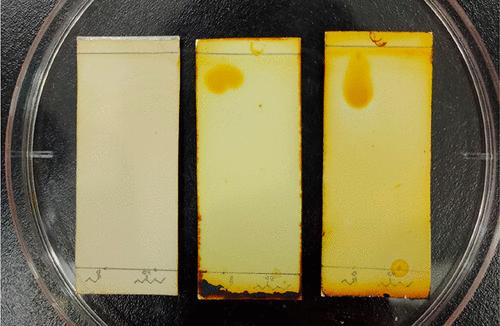
Methods involving C–C bond formation are continuously being innovated due to their importance in the creation and modification of important organic molecules. The classic Grignard reaction demonstrates C–C bond formation with reagents that are usually accessible in undergraduate laboratory classes. Oftentimes, to make the Grignard reaction viable, the reactions are assisted by heating at elevated temperatures or with the use of a catalyst accompanied by solvents that have been dried using highly reactive sodium metal (Na0)─conditions which increase the risk of a laboratory fire or explosion. For this work, a method to conduct Grignard reactions under mild conditions utilizing sand-paper-polished Mg ribbons and solvent dried using molecular sieves was developed. The conscientious, accessible, and easy-to-follow preparation of both the solvent and the Mg ribbons is found to contribute more to the percent conversion of reagents to products. The average percent conversion with the proposed method ranged from 76.8% to 99.5% based on 1H NMR results. This makes the Grignard demonstration possible even for the most humid, tropical locations.
期刊介绍:
The Journal of Chemical Health and Safety focuses on news, information, and ideas relating to issues and advances in chemical health and safety. The Journal of Chemical Health and Safety covers up-to-the minute, in-depth views of safety issues ranging from OSHA and EPA regulations to the safe handling of hazardous waste, from the latest innovations in effective chemical hygiene practices to the courts'' most recent rulings on safety-related lawsuits. The Journal of Chemical Health and Safety presents real-world information that health, safety and environmental professionals and others responsible for the safety of their workplaces can put to use right away, identifying potential and developing safety concerns before they do real harm.



 京公网安备 11010802042870号
京ICP备2023020795号-1
京公网安备 11010802042870号
京ICP备2023020795号-1

 分享
分享
 求助内容:
求助内容: 应助结果提醒方式:
 扫码关注我们
