The Efficacy and Safety of Different Targeted Drugs for the Treatment of Generalized Myasthenia Gravis: A Systematic Review and Bayesian Network Meta-analysis.
Yongbo Ma, Xiangtao Nie, Geke Zhu, Wenjing Qi, Lei Hao, Xiuming Guo
{"title":"The Efficacy and Safety of Different Targeted Drugs for the Treatment of Generalized Myasthenia Gravis: A Systematic Review and Bayesian Network Meta-analysis.","authors":"Yongbo Ma, Xiangtao Nie, Geke Zhu, Wenjing Qi, Lei Hao, Xiuming Guo","doi":"10.1007/s40263-024-01062-7","DOIUrl":null,"url":null,"abstract":"<p><strong>Background: </strong>The treatment of generalized myasthenia gravis (gMG) has been transformed by the development and approval of new targeted therapies. This analysis aimed to rank and compare the new therapies for gMG using efficacy and safety data from randomized controlled trials (RCTs).</p><p><strong>Methods: </strong>We searched PubMed, Embase, the Cochrane Central Register of Controlled Trials (CENTRAL), and ClinicalTrials.gov (up to November 2022) for RCTs of targeted drugs for gMG. We used a Bayesian random-effects network meta-analysis (NMA) model and a Markov chain Monte Carlo (MCMC) model for statistical analysis. The primary outcome was the change in quantitative myasthenia gravis score (QMGS) from baseline, while the secondary outcome was the risk ratio (RR) of adverse events (AEs) during treatment. The surface under the cumulative ranking curve (SUCRA) was used to rank these targeted drugs, with higher SUCRA values indicating better efficacy or lower likelihood of AEs.</p><p><strong>Results: </strong>In total, 13 studies (872 subjects) were included in this analysis evaluating 10 targeted drugs (batoclimab, belimumab, CFZ533, eculizumab, efgartigimod, nipocalimab, rituximab, ravulizumab, rozanolixizumab, and zilucoplan). With regards to the primary outcome, batoclimab [standardized mean difference (SMD), - 1.61; 95% credible interval (CrI), - 2.78, - 0.43] significantly reduced QMGS in patients with gMG when compared with placebo and was ranked as the most efficacious drug. Ranked second and third were eculizumab (SMD, - 0.67; 95% CrI, 1.43, 0.01) and zilucoplan (SMD, - 0.54; 95% CrI, - 1.56, 0.46), respectively. Nipoclimab (SMD, - 0.02; 95% CrI, - 1.04, 1.00) had the worst efficacy and ranked last among all targeted drugs. In our study, except for batoclimab, there was no statistically significant difference in the reduction of patient QMGS for the remaining targeted agents compared with placebo. With regards to the secondary outcomes, only batoclimab (RR, 0.19; 95% CrI, 0, 0.97) led to a significant reduction in the incidence of AEs when compared with the placebo. Belimumab (RR, 0.85; 95% CrI, 0.57, 1.19), CFZ533 (RR, 0.95; 95% CrI, 0.72, 1.25), eculizumab (RR, 0.99; 95% CrI, 0.85, 1.21), and efgartigimod (RR, 0.93; 95% CrI, 0.76, 1.15) also led to a lower incidence of AEs, although these effects were not significantly different from the placebo.</p><p><strong>Conclusions: </strong>Batoclimab had the best efficacy and safety for the treatment of gMG and was ranked first out of the 10 targeted drugs included in this study. Eculizumab was ranked second, and nipocalimab had the worst efficacy. With the exception of batoclimab, the incidence of AEs for the remaining drugs was not statistically significantly different from placebo. We note, however, that wide CrIs reflect the uncertainty in this analysis owing to the small number of available studies and low numbers of study participants; moreover, batoclimab had the widest CrI of all drugs in this analysis. More well-designed studies with long-term follow-up are needed to further evaluate and compare the efficacy and safety of these drugs in the future.</p>","PeriodicalId":10508,"journal":{"name":"CNS drugs","volume":" ","pages":"93-104"},"PeriodicalIF":7.4000,"publicationDate":"2024-02-01","publicationTypes":"Journal Article","fieldsOfStudy":null,"isOpenAccess":false,"openAccessPdf":"","citationCount":"0","resultStr":null,"platform":"Semanticscholar","paperid":null,"PeriodicalName":"CNS drugs","FirstCategoryId":"3","ListUrlMain":"https://doi.org/10.1007/s40263-024-01062-7","RegionNum":2,"RegionCategory":"医学","ArticlePicture":[],"TitleCN":null,"AbstractTextCN":null,"PMCID":null,"EPubDate":"","PubModel":"","JCR":"Q1","JCRName":"CLINICAL NEUROLOGY","Score":null,"Total":0}
引用次数: 0
Abstract
Background: The treatment of generalized myasthenia gravis (gMG) has been transformed by the development and approval of new targeted therapies. This analysis aimed to rank and compare the new therapies for gMG using efficacy and safety data from randomized controlled trials (RCTs).
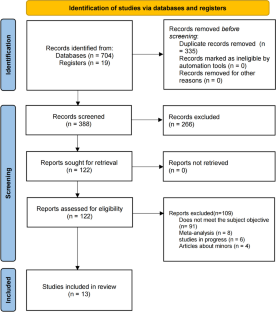
Methods: We searched PubMed, Embase, the Cochrane Central Register of Controlled Trials (CENTRAL), and ClinicalTrials.gov (up to November 2022) for RCTs of targeted drugs for gMG. We used a Bayesian random-effects network meta-analysis (NMA) model and a Markov chain Monte Carlo (MCMC) model for statistical analysis. The primary outcome was the change in quantitative myasthenia gravis score (QMGS) from baseline, while the secondary outcome was the risk ratio (RR) of adverse events (AEs) during treatment. The surface under the cumulative ranking curve (SUCRA) was used to rank these targeted drugs, with higher SUCRA values indicating better efficacy or lower likelihood of AEs.
Results: In total, 13 studies (872 subjects) were included in this analysis evaluating 10 targeted drugs (batoclimab, belimumab, CFZ533, eculizumab, efgartigimod, nipocalimab, rituximab, ravulizumab, rozanolixizumab, and zilucoplan). With regards to the primary outcome, batoclimab [standardized mean difference (SMD), - 1.61; 95% credible interval (CrI), - 2.78, - 0.43] significantly reduced QMGS in patients with gMG when compared with placebo and was ranked as the most efficacious drug. Ranked second and third were eculizumab (SMD, - 0.67; 95% CrI, 1.43, 0.01) and zilucoplan (SMD, - 0.54; 95% CrI, - 1.56, 0.46), respectively. Nipoclimab (SMD, - 0.02; 95% CrI, - 1.04, 1.00) had the worst efficacy and ranked last among all targeted drugs. In our study, except for batoclimab, there was no statistically significant difference in the reduction of patient QMGS for the remaining targeted agents compared with placebo. With regards to the secondary outcomes, only batoclimab (RR, 0.19; 95% CrI, 0, 0.97) led to a significant reduction in the incidence of AEs when compared with the placebo. Belimumab (RR, 0.85; 95% CrI, 0.57, 1.19), CFZ533 (RR, 0.95; 95% CrI, 0.72, 1.25), eculizumab (RR, 0.99; 95% CrI, 0.85, 1.21), and efgartigimod (RR, 0.93; 95% CrI, 0.76, 1.15) also led to a lower incidence of AEs, although these effects were not significantly different from the placebo.
Conclusions: Batoclimab had the best efficacy and safety for the treatment of gMG and was ranked first out of the 10 targeted drugs included in this study. Eculizumab was ranked second, and nipocalimab had the worst efficacy. With the exception of batoclimab, the incidence of AEs for the remaining drugs was not statistically significantly different from placebo. We note, however, that wide CrIs reflect the uncertainty in this analysis owing to the small number of available studies and low numbers of study participants; moreover, batoclimab had the widest CrI of all drugs in this analysis. More well-designed studies with long-term follow-up are needed to further evaluate and compare the efficacy and safety of these drugs in the future.
治疗全身性肌无力的不同靶向药物的有效性和安全性:系统综述和贝叶斯网络元分析》(The Efficacy and Safety of Different Targeted Drugs for the Treatment of Generalized Myasthenia Gravis: A Systematic Review and Bayesian Network Meta-analysis)。
期刊介绍:
CNS Drugs promotes rational pharmacotherapy within the disciplines of clinical psychiatry and neurology. The Journal includes:
- Overviews of contentious or emerging issues.
- Comprehensive narrative reviews that provide an authoritative source of information on pharmacological approaches to managing neurological and psychiatric illnesses.
- Systematic reviews that collate empirical evidence to answer a specific research question, using explicit, systematic methods as outlined by the PRISMA statement.
- Adis Drug Reviews of the properties and place in therapy of both newer and established drugs in neurology and psychiatry.
- Original research articles reporting the results of well-designed studies with a strong link to clinical practice, such as clinical pharmacodynamic and pharmacokinetic studies, clinical trials, meta-analyses, outcomes research, and pharmacoeconomic and pharmacoepidemiological studies.
Additional digital features (including animated abstracts, video abstracts, slide decks, audio slides, instructional videos, infographics, podcasts and animations) can be published with articles; these are designed to increase the visibility, readership and educational value of the journal’s content. In addition, articles published in CNS Drugs may be accompanied by plain language summaries to assist readers who have some knowledge of, but not in-depth expertise in, the area to understand important medical advances.



 京公网安备 11010802042870号
京ICP备2023020795号-1
京公网安备 11010802042870号
京ICP备2023020795号-1

 分享
分享
 求助内容:
求助内容: 应助结果提醒方式:
 扫码关注我们
