Identifying excessive length of antibiotic treatment duration for hospital-acquired infections: a semi-automated approach to support antimicrobial stewardship.
Suzanne M E Kuijpers, Koen J van Haeringen, Thomas Groot, Kim C E Sigaloff, Reinier M van Hest, Jan M Prins, Rogier P Schade
{"title":"Identifying excessive length of antibiotic treatment duration for hospital-acquired infections: a semi-automated approach to support antimicrobial stewardship.","authors":"Suzanne M E Kuijpers, Koen J van Haeringen, Thomas Groot, Kim C E Sigaloff, Reinier M van Hest, Jan M Prins, Rogier P Schade","doi":"10.1186/s13756-024-01406-4","DOIUrl":null,"url":null,"abstract":"<p><strong>Background: </strong>Avoiding excessive antibiotic treatment duration is a fundamental goal in antimicrobial stewardship. Manual collection of data is a time-consuming process, but a semi-automated approach for data extraction has been shown feasible for community-acquired infections (CAI). Extraction of data however may be more challenging in hospital-acquired infections (HAI). The aim of this study is to explore whether semi-automated data extraction of treatment duration is also feasible and accurate for HAI.</p><p><strong>Methods: </strong>Data from a university-affiliated hospital over the period 1-6-2020 until 1-6-2022 was used for this study. From the Electronic Health Record, raw data on prescriptions, registered indications and admissions was extracted and processed to define treatment courses. In addition, clinical notes including prescription instructions were obtained for the purpose of validation. The derived treatment course was compared to the registered indication and the actual length of treatment (LOT) in the clinical notes in a random sample of 5.7% of treatment courses, to assess the accuracy of the data for both CAI and HAI.</p><p><strong>Results: </strong>Included were 10.564 treatment courses of which 73.1% were CAI and 26.8% HAI. The registered indication matched the diagnosis as recorded in the clinical notes in 79% of treatment courses (79.2% CAI, 78.5% HAI). Higher error rates were seen in urinary tract infections (UTIs) (29.0%) and respiratory tract infections (RTIs) (20.5%) compared to intra-abdominal infections (7.4%), or skin or soft tissue infections (11.1%), mainly due to incorrect specification of the type of UTI or RTI. The LOT was accurately extracted in 98.5% of courses (CAI 98.2%, HAI 99.3%) when compared to prescriptions in the EHR. In 21% of cases however the LOT did not match with the clinical notes, mainly if patients received treatment from other health care providers preceding or following the present course.</p><p><strong>Conclusion: </strong>Semi-automatic data extraction can yield reliable information about the indication and LOT in treatment courses of hospitalized patients, for both HAI and CAI. This can provide stewardship programs with a surveillance tool for all in-hospital treated infections, which can be used to achieve stewardship goals.</p>","PeriodicalId":7950,"journal":{"name":"Antimicrobial Resistance and Infection Control","volume":"13 1","pages":"52"},"PeriodicalIF":4.4000,"publicationDate":"2024-05-20","publicationTypes":"Journal Article","fieldsOfStudy":null,"isOpenAccess":false,"openAccessPdf":"https://www.ncbi.nlm.nih.gov/pmc/articles/PMC11103818/pdf/","citationCount":"0","resultStr":null,"platform":"Semanticscholar","paperid":null,"PeriodicalName":"Antimicrobial Resistance and Infection Control","FirstCategoryId":"3","ListUrlMain":"https://doi.org/10.1186/s13756-024-01406-4","RegionNum":2,"RegionCategory":"医学","ArticlePicture":[],"TitleCN":null,"AbstractTextCN":null,"PMCID":null,"EPubDate":"","PubModel":"","JCR":"Q1","JCRName":"INFECTIOUS DISEASES","Score":null,"Total":0}
引用次数: 0
Abstract
Background: Avoiding excessive antibiotic treatment duration is a fundamental goal in antimicrobial stewardship. Manual collection of data is a time-consuming process, but a semi-automated approach for data extraction has been shown feasible for community-acquired infections (CAI). Extraction of data however may be more challenging in hospital-acquired infections (HAI). The aim of this study is to explore whether semi-automated data extraction of treatment duration is also feasible and accurate for HAI.
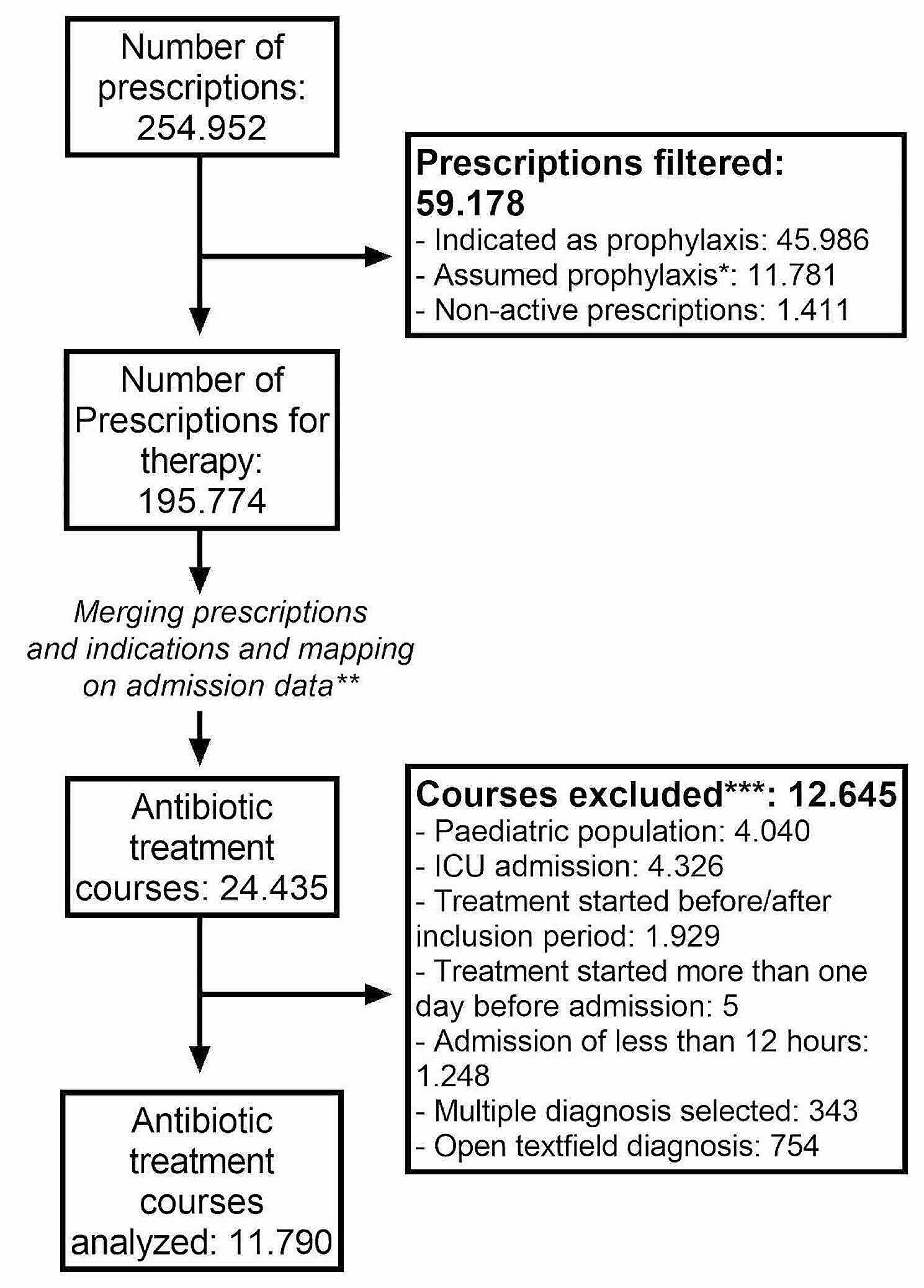
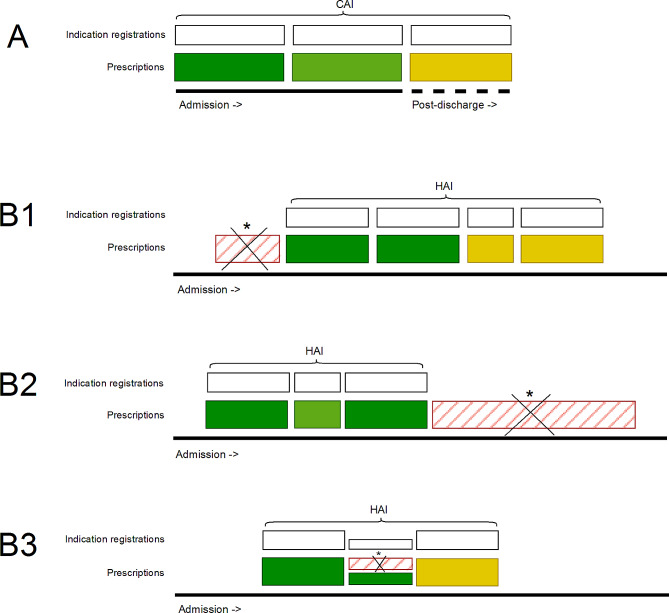
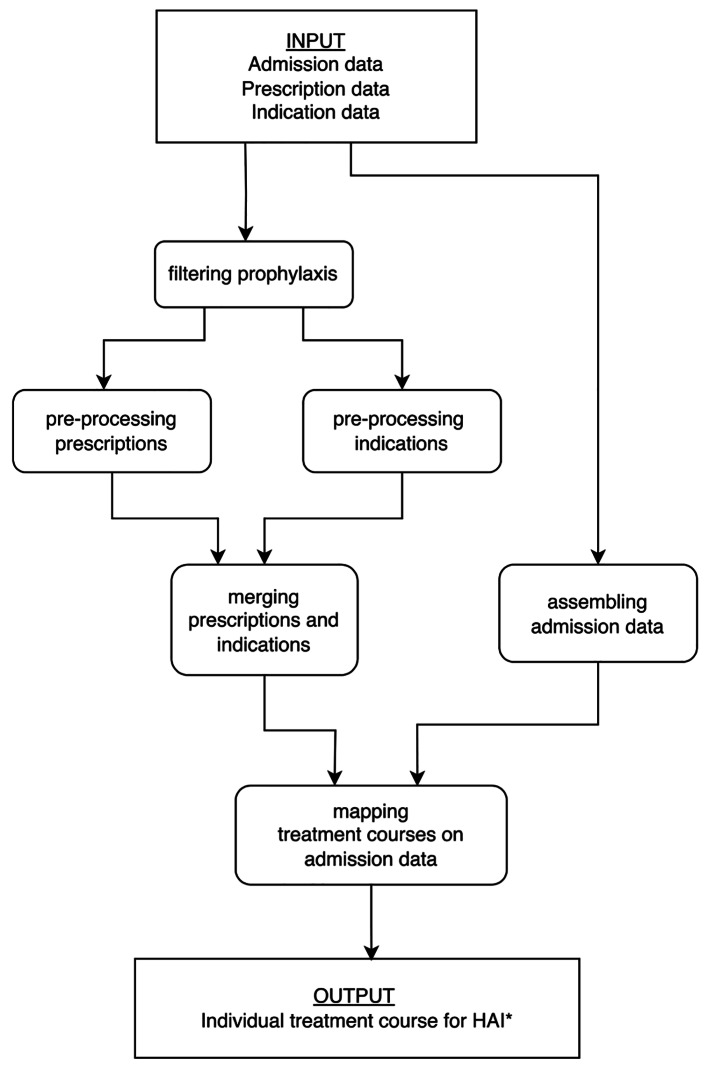
Methods: Data from a university-affiliated hospital over the period 1-6-2020 until 1-6-2022 was used for this study. From the Electronic Health Record, raw data on prescriptions, registered indications and admissions was extracted and processed to define treatment courses. In addition, clinical notes including prescription instructions were obtained for the purpose of validation. The derived treatment course was compared to the registered indication and the actual length of treatment (LOT) in the clinical notes in a random sample of 5.7% of treatment courses, to assess the accuracy of the data for both CAI and HAI.
Results: Included were 10.564 treatment courses of which 73.1% were CAI and 26.8% HAI. The registered indication matched the diagnosis as recorded in the clinical notes in 79% of treatment courses (79.2% CAI, 78.5% HAI). Higher error rates were seen in urinary tract infections (UTIs) (29.0%) and respiratory tract infections (RTIs) (20.5%) compared to intra-abdominal infections (7.4%), or skin or soft tissue infections (11.1%), mainly due to incorrect specification of the type of UTI or RTI. The LOT was accurately extracted in 98.5% of courses (CAI 98.2%, HAI 99.3%) when compared to prescriptions in the EHR. In 21% of cases however the LOT did not match with the clinical notes, mainly if patients received treatment from other health care providers preceding or following the present course.
Conclusion: Semi-automatic data extraction can yield reliable information about the indication and LOT in treatment courses of hospitalized patients, for both HAI and CAI. This can provide stewardship programs with a surveillance tool for all in-hospital treated infections, which can be used to achieve stewardship goals.
期刊介绍:
Antimicrobial Resistance and Infection Control is a global forum for all those working on the prevention, diagnostic and treatment of health-care associated infections and antimicrobial resistance development in all health-care settings. The journal covers a broad spectrum of preeminent practices and best available data to the top interventional and translational research, and innovative developments in the field of infection control.




 京公网安备 11010802042870号
京ICP备2023020795号-1
京公网安备 11010802042870号
京ICP备2023020795号-1

 分享
分享
 求助内容:
求助内容: 应助结果提醒方式:
 扫码关注我们
