Relationship between Selected SNPs (g.16024A/G, g.16039T/C and g.16060A/C) of the FASN Gene and the Fat Content and Fatty Acid Profile in the Milk of Three Breeds of Cows.
{"title":"Relationship between Selected SNPs (g.16024A/G, g.16039T/C and g.16060A/C) of the FASN Gene and the Fat Content and Fatty Acid Profile in the Milk of Three Breeds of Cows.","authors":"Paulina Przybylska, Marian Kuczaj","doi":"10.3390/ani14131934","DOIUrl":null,"url":null,"abstract":"<p><p>Fat is an important energy and nutritional component of milk and consists of fatty acids. FASN (fatty acid synthase) is an enzyme that regulates the synthesis of fatty acids in the milk and meat of cattle. It was hypothesized that knowing the relationships between the genotypes of the tested single nucleotide polymorphisms (SNPs) and the content of fat and specific fatty acids would make it possible to improve milk quality in the selection process during cattle breeding. This study aimed to analyze the relationships of SNPs (g.16024A/G, g.16039T/C) of the FASN gene and their genotypes with the fat and fatty acid content of the milk of the following breeds: Polish Red-White (ZR), Polish Red (RP), and Polish Holstein-Friesian Red-White (RW). The SNP g.16060A/C was included in the study, although its effect on the fat composition of cow's milk has not yet been widely studied. Milk was obtained during test milkings. SNP genotyping was performed using the real-time PCR (HRM) method. The milk from ZR and RP cows was more often characterized by a more favorable fatty acid profile than the milk from RW cows. This information can be used by cattle breeders and consumers of so-called functional food.</p>","PeriodicalId":7955,"journal":{"name":"Animals","volume":"14 13","pages":""},"PeriodicalIF":2.7000,"publicationDate":"2024-06-29","publicationTypes":"Journal Article","fieldsOfStudy":null,"isOpenAccess":false,"openAccessPdf":"https://www.ncbi.nlm.nih.gov/pmc/articles/PMC11240365/pdf/","citationCount":"0","resultStr":null,"platform":"Semanticscholar","paperid":null,"PeriodicalName":"Animals","FirstCategoryId":"97","ListUrlMain":"https://doi.org/10.3390/ani14131934","RegionNum":2,"RegionCategory":"农林科学","ArticlePicture":[],"TitleCN":null,"AbstractTextCN":null,"PMCID":null,"EPubDate":"","PubModel":"","JCR":"Q1","JCRName":"AGRICULTURE, DAIRY & ANIMAL SCIENCE","Score":null,"Total":0}
引用次数: 0
Abstract
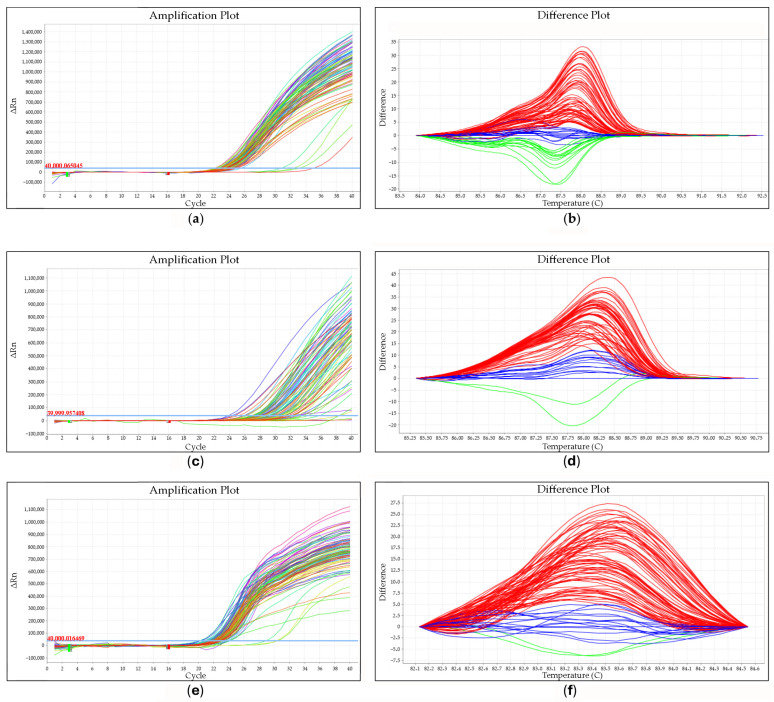
Fat is an important energy and nutritional component of milk and consists of fatty acids. FASN (fatty acid synthase) is an enzyme that regulates the synthesis of fatty acids in the milk and meat of cattle. It was hypothesized that knowing the relationships between the genotypes of the tested single nucleotide polymorphisms (SNPs) and the content of fat and specific fatty acids would make it possible to improve milk quality in the selection process during cattle breeding. This study aimed to analyze the relationships of SNPs (g.16024A/G, g.16039T/C) of the FASN gene and their genotypes with the fat and fatty acid content of the milk of the following breeds: Polish Red-White (ZR), Polish Red (RP), and Polish Holstein-Friesian Red-White (RW). The SNP g.16060A/C was included in the study, although its effect on the fat composition of cow's milk has not yet been widely studied. Milk was obtained during test milkings. SNP genotyping was performed using the real-time PCR (HRM) method. The milk from ZR and RP cows was more often characterized by a more favorable fatty acid profile than the milk from RW cows. This information can be used by cattle breeders and consumers of so-called functional food.
AnimalsAgricultural and Biological Sciences-Animal Science and Zoology
CiteScore
4.90
自引率
16.70%
发文量
3015
审稿时长
20.52 days
期刊介绍:
Animals (ISSN 2076-2615) is an international and interdisciplinary scholarly open access journal. It publishes original research articles, reviews, communications, and short notes that are relevant to any field of study that involves animals, including zoology, ethnozoology, animal science, animal ethics and animal welfare. However, preference will be given to those articles that provide an understanding of animals within a larger context (i.e., the animals'' interactions with the outside world, including humans). There is no restriction on the length of the papers. Our aim is to encourage scientists to publish their experimental and theoretical research in as much detail as possible. Full experimental details and/or method of study, must be provided for research articles. Articles submitted that involve subjecting animals to unnecessary pain or suffering will not be accepted, and all articles must be submitted with the necessary ethical approval (please refer to the Ethical Guidelines for more information).





 京公网安备 11010802042870号
京ICP备2023020795号-1
京公网安备 11010802042870号
京ICP备2023020795号-1

 分享
分享
 求助内容:
求助内容: 应助结果提醒方式:
 扫码关注我们
