Ashtiwi Bahri, Shabeeb Alajmei, Jennifer Miskimins
{"title":"Particle Dune Height Prediction","authors":"Ashtiwi Bahri, Shabeeb Alajmei, Jennifer Miskimins","doi":"10.1007/s13369-024-09402-x","DOIUrl":null,"url":null,"abstract":"<div><p>Slickwater hydraulic fracturing treatments are considered one of the most effective stimulation technologies for unconventional reservoirs. However, achieving efficient proppant transport in slickwater fluid systems remains a significant challenge due to the low viscosities. A particular aspect of this challenge involves accurately estimating the height of settled proppant dunes within the created fractures. To address this issue, experimental studies were undertaken to measure the dune height of the settled proppant using two different slickwater-like fluid systems, water–sodium chloride solution to mimic increased density and water–glycerin solution to mimic increased viscosity. The measured heights of the settled proppant dune using these systems were further compared to calculated proppant dune height using previous published correlations. This comparison aimed to evaluate the accuracy and applicability of the existing correlations in predicting proppant dune height in a wider range of tested fluid systems and various proppant types. To acquire sufficient data for the comparison, a slot flow apparatus was designed and employed to conduct over 30 experiments. The fracture slot design consisted of a primary fracture along with three secondary fractures and two tertiary fractures, each characterized with a rough wall surface. Various parameters were systematically varied during the experiments, including proppant sizes, proppant densities, slurry rates, and proppant concentrations. These selected experimental conditions aimed to provide a robust dataset for the purpose of comparing and analyzing the effects of different factors on proppant dune height in the slot flow apparatus. The laboratory results show that for all tested proppants, water–glycerin solutions resulted in a lower equilibrium dune height compared to sodium chloride solutions. Additionally, the proppant particle size was found to have a significant impact on the equilibrium dune height inside the main fracture, smaller proppant created lower dune heights in comparison to larger proppant sizes. Additionally, the settled proppant reaches the equilibrium dune height more rapidly with the water–sodium chloride solution than the water–glycerin solution. Furthermore, the calculated equilibrium dune height indicated that the correlations can be reliably used to predict the equilibrium dune height, with minimal average percent difference compared to the measured dune heights.</p></div>","PeriodicalId":54354,"journal":{"name":"Arabian Journal for Science and Engineering","volume":"50 7","pages":"4853 - 4868"},"PeriodicalIF":2.9000,"publicationDate":"2024-08-10","publicationTypes":"Journal Article","fieldsOfStudy":null,"isOpenAccess":false,"openAccessPdf":"","citationCount":"0","resultStr":null,"platform":"Semanticscholar","paperid":null,"PeriodicalName":"Arabian Journal for Science and Engineering","FirstCategoryId":"103","ListUrlMain":"https://link.springer.com/article/10.1007/s13369-024-09402-x","RegionNum":4,"RegionCategory":"综合性期刊","ArticlePicture":[],"TitleCN":null,"AbstractTextCN":null,"PMCID":null,"EPubDate":"","PubModel":"","JCR":"Q2","JCRName":"MULTIDISCIPLINARY SCIENCES","Score":null,"Total":0}
引用次数: 0
Abstract
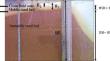
Slickwater hydraulic fracturing treatments are considered one of the most effective stimulation technologies for unconventional reservoirs. However, achieving efficient proppant transport in slickwater fluid systems remains a significant challenge due to the low viscosities. A particular aspect of this challenge involves accurately estimating the height of settled proppant dunes within the created fractures. To address this issue, experimental studies were undertaken to measure the dune height of the settled proppant using two different slickwater-like fluid systems, water–sodium chloride solution to mimic increased density and water–glycerin solution to mimic increased viscosity. The measured heights of the settled proppant dune using these systems were further compared to calculated proppant dune height using previous published correlations. This comparison aimed to evaluate the accuracy and applicability of the existing correlations in predicting proppant dune height in a wider range of tested fluid systems and various proppant types. To acquire sufficient data for the comparison, a slot flow apparatus was designed and employed to conduct over 30 experiments. The fracture slot design consisted of a primary fracture along with three secondary fractures and two tertiary fractures, each characterized with a rough wall surface. Various parameters were systematically varied during the experiments, including proppant sizes, proppant densities, slurry rates, and proppant concentrations. These selected experimental conditions aimed to provide a robust dataset for the purpose of comparing and analyzing the effects of different factors on proppant dune height in the slot flow apparatus. The laboratory results show that for all tested proppants, water–glycerin solutions resulted in a lower equilibrium dune height compared to sodium chloride solutions. Additionally, the proppant particle size was found to have a significant impact on the equilibrium dune height inside the main fracture, smaller proppant created lower dune heights in comparison to larger proppant sizes. Additionally, the settled proppant reaches the equilibrium dune height more rapidly with the water–sodium chloride solution than the water–glycerin solution. Furthermore, the calculated equilibrium dune height indicated that the correlations can be reliably used to predict the equilibrium dune height, with minimal average percent difference compared to the measured dune heights.
期刊介绍:
King Fahd University of Petroleum & Minerals (KFUPM) partnered with Springer to publish the Arabian Journal for Science and Engineering (AJSE).
AJSE, which has been published by KFUPM since 1975, is a recognized national, regional and international journal that provides a great opportunity for the dissemination of research advances from the Kingdom of Saudi Arabia, MENA and the world.



 京公网安备 11010802042870号
京ICP备2023020795号-1
京公网安备 11010802042870号
京ICP备2023020795号-1

 分享
分享
 求助内容:
求助内容: 应助结果提醒方式:
 扫码关注我们
