{"title":"Mendelian Randomization Reveals Serum Copper as a Micronutrient is a Risk Factor for Erectile Dysfunction","authors":"Wu Wensong, Yu Qianqian, Aisha Awuti, Chang Fan, Chen Fangmin","doi":"10.1007/s12011-024-04377-0","DOIUrl":null,"url":null,"abstract":"<p>The cause and effect between serum micronutrients and erectile dysfunction (ED) is not clear. The purpose of this study was to evaluate the causal relationship between micronutrients and ED by Mendelian randomization (MR) analysis. We used the published genome-wide association study (GWAS) data for two-sample MR analysis. This study utilized inverse variance weighted (IVW), MR egger, weighted median, simple mode, and weighted mode method to assess the causal relationship between serum micronutrients and ED. IVW is considered the standard method for MR analysis. We used Cochran’s <i>Q</i> tests to evaluate the heterogeneity. To investigate horizontal pleiotropy, this study employed the MR Egger method. Additionally, leave-one-out analysis was used to evaluate the influence of individual genetic loci on the results. The results showed that there was a causal relationship between serum copper and ED, and it was positively correlated with ED (OR = 1.115, CI = 1.00–1.24, <i>p</i> = 0.014). There was no significant correlation between other micronutrients and ED. Sensitivity analysis results indicated that our findings exhibit no heterogeneity or pleiotropy, thereby strengthening our conclusions. Serum copper is a risk factor for ED, which provides a new idea for the diagnosis and treatment of ED in the future. However, further experiments are needed to elucidate the underlying mechanisms.</p>","PeriodicalId":8917,"journal":{"name":"Biological Trace Element Research","volume":"29 1","pages":""},"PeriodicalIF":3.6000,"publicationDate":"2024-09-18","publicationTypes":"Journal Article","fieldsOfStudy":null,"isOpenAccess":false,"openAccessPdf":"","citationCount":"0","resultStr":null,"platform":"Semanticscholar","paperid":null,"PeriodicalName":"Biological Trace Element Research","FirstCategoryId":"99","ListUrlMain":"https://doi.org/10.1007/s12011-024-04377-0","RegionNum":3,"RegionCategory":"生物学","ArticlePicture":[],"TitleCN":null,"AbstractTextCN":null,"PMCID":null,"EPubDate":"","PubModel":"","JCR":"Q2","JCRName":"BIOCHEMISTRY & MOLECULAR BIOLOGY","Score":null,"Total":0}
引用次数: 0
Abstract
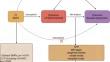
The cause and effect between serum micronutrients and erectile dysfunction (ED) is not clear. The purpose of this study was to evaluate the causal relationship between micronutrients and ED by Mendelian randomization (MR) analysis. We used the published genome-wide association study (GWAS) data for two-sample MR analysis. This study utilized inverse variance weighted (IVW), MR egger, weighted median, simple mode, and weighted mode method to assess the causal relationship between serum micronutrients and ED. IVW is considered the standard method for MR analysis. We used Cochran’s Q tests to evaluate the heterogeneity. To investigate horizontal pleiotropy, this study employed the MR Egger method. Additionally, leave-one-out analysis was used to evaluate the influence of individual genetic loci on the results. The results showed that there was a causal relationship between serum copper and ED, and it was positively correlated with ED (OR = 1.115, CI = 1.00–1.24, p = 0.014). There was no significant correlation between other micronutrients and ED. Sensitivity analysis results indicated that our findings exhibit no heterogeneity or pleiotropy, thereby strengthening our conclusions. Serum copper is a risk factor for ED, which provides a new idea for the diagnosis and treatment of ED in the future. However, further experiments are needed to elucidate the underlying mechanisms.
期刊介绍:
Biological Trace Element Research provides a much-needed central forum for the emergent, interdisciplinary field of research on the biological, environmental, and biomedical roles of trace elements. Rather than confine itself to biochemistry, the journal emphasizes the integrative aspects of trace metal research in all appropriate fields, publishing human and animal nutritional studies devoted to the fundamental chemistry and biochemistry at issue as well as to the elucidation of the relevant aspects of preventive medicine, epidemiology, clinical chemistry, agriculture, endocrinology, animal science, pharmacology, microbiology, toxicology, virology, marine biology, sensory physiology, developmental biology, and related fields.



 京公网安备 11010802042870号
京ICP备2023020795号-1
京公网安备 11010802042870号
京ICP备2023020795号-1

 分享
分享
 求助内容:
求助内容: 应助结果提醒方式:
 扫码关注我们
