Amanda S Mota, Luiz Gustavo Sparvoli, Pedro Augusto R Vanzele, Nathalia F Naspolini, Eric de Castro Tobaruela, Carlos T Yoshizaki, Rossana Pulcineli Vieira Francisco, Ana Maria S S Oliveira, Marco Aurélio Knippel Galletta, Vera Lucia C Tess, Carla R Taddei
{"title":"Longitudinal gut microbiota composition during the perinatal period in women with different intensities of depressive symptoms.","authors":"Amanda S Mota, Luiz Gustavo Sparvoli, Pedro Augusto R Vanzele, Nathalia F Naspolini, Eric de Castro Tobaruela, Carlos T Yoshizaki, Rossana Pulcineli Vieira Francisco, Ana Maria S S Oliveira, Marco Aurélio Knippel Galletta, Vera Lucia C Tess, Carla R Taddei","doi":"10.47626/1516-4446-2024-3721","DOIUrl":null,"url":null,"abstract":"<p><strong>Objective: </strong>Depressive symptoms during the perinatal period significantly impact mothers and infants. Emerging evidence suggests a connection between gut microbiota and mood regulation. This study investigated whether depressive symptoms are associated with changes in the gut microbiota of women during the perinatal period.</p><p><strong>Methods: </strong>Thirty-four pregnant women were screened for depression using the Edinburgh Postnatal Depression Scale (EPDS) and categorized based on symptom severity. Stool samples were collected during the third trimester and at two postpartum timepoints. All samples underwent 16S rRNA gene sequencing and quantification of short-chain fatty acids (SCFA) by gas chromatography-mass spectrometry (GC-MS).</p><p><strong>Results: </strong>No differences in SCFA concentrations were observed between groups (p > 0.05). However, postpartum women with moderate to severe symptoms (MS group) had a significant increase in Enterobacteriaceae abundance compared to women with mild or absent symptoms (AM group) (p < 0.05). The Bifidobacterium genus increased significantly in both groups over time (p < 0.05). The MS group showed a reduction in depressive symptoms during psychiatric treatment (p < 0.05).</p><p><strong>Conclusion: </strong>These findings suggest a link between gut microbiota and perinatal depressive symptoms. Further research using microbiome-targeted approaches is needed to understand the broader implications for maternal health.</p>","PeriodicalId":21244,"journal":{"name":"Revista Brasileira de Psiquiatria","volume":" ","pages":"e20243721"},"PeriodicalIF":2.6000,"publicationDate":"2025-01-01","publicationTypes":"Journal Article","fieldsOfStudy":null,"isOpenAccess":false,"openAccessPdf":"https://www.ncbi.nlm.nih.gov/pmc/articles/PMC12815303/pdf/","citationCount":"0","resultStr":null,"platform":"Semanticscholar","paperid":null,"PeriodicalName":"Revista Brasileira de Psiquiatria","FirstCategoryId":"3","ListUrlMain":"https://doi.org/10.47626/1516-4446-2024-3721","RegionNum":3,"RegionCategory":"医学","ArticlePicture":[],"TitleCN":null,"AbstractTextCN":null,"PMCID":null,"EPubDate":"2024/9/21 0:00:00","PubModel":"Epub","JCR":"Q1","JCRName":"PSYCHIATRY","Score":null,"Total":0}
引用次数: 0
Abstract
Objective: Depressive symptoms during the perinatal period significantly impact mothers and infants. Emerging evidence suggests a connection between gut microbiota and mood regulation. This study investigated whether depressive symptoms are associated with changes in the gut microbiota of women during the perinatal period.
Methods: Thirty-four pregnant women were screened for depression using the Edinburgh Postnatal Depression Scale (EPDS) and categorized based on symptom severity. Stool samples were collected during the third trimester and at two postpartum timepoints. All samples underwent 16S rRNA gene sequencing and quantification of short-chain fatty acids (SCFA) by gas chromatography-mass spectrometry (GC-MS).
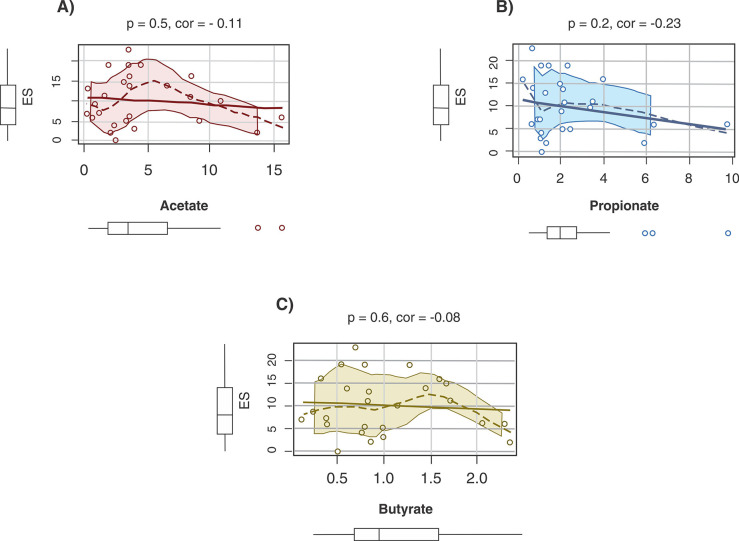
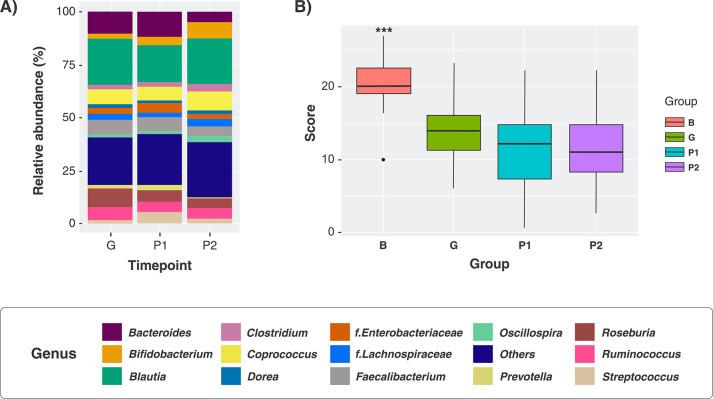
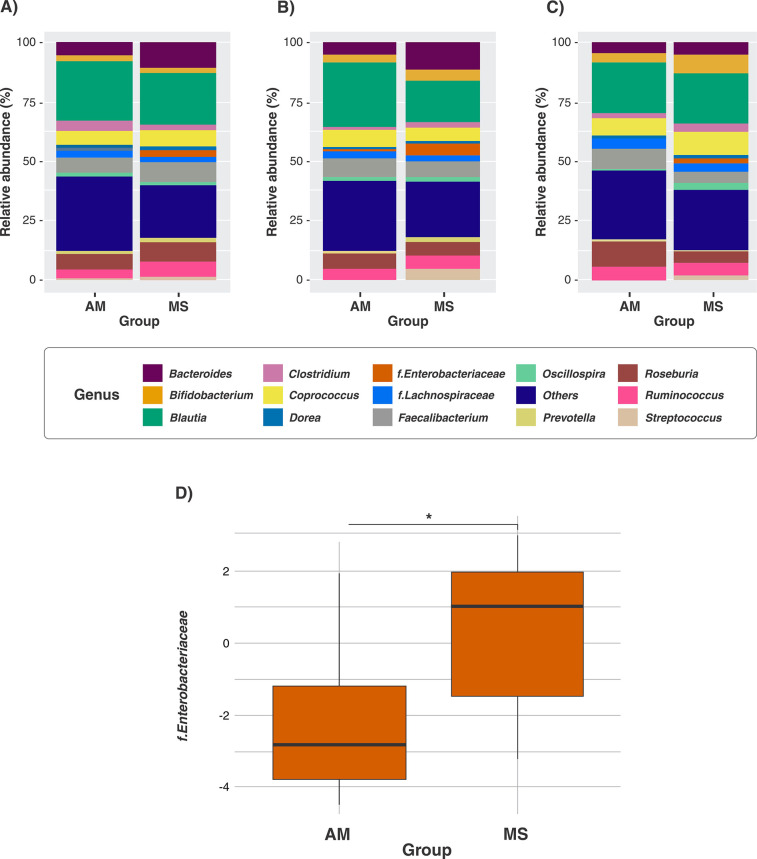
Results: No differences in SCFA concentrations were observed between groups (p > 0.05). However, postpartum women with moderate to severe symptoms (MS group) had a significant increase in Enterobacteriaceae abundance compared to women with mild or absent symptoms (AM group) (p < 0.05). The Bifidobacterium genus increased significantly in both groups over time (p < 0.05). The MS group showed a reduction in depressive symptoms during psychiatric treatment (p < 0.05).
Conclusion: These findings suggest a link between gut microbiota and perinatal depressive symptoms. Further research using microbiome-targeted approaches is needed to understand the broader implications for maternal health.
期刊介绍:
The Revista Brasileira de Psiquiatria (RBP) is the official organ of the Associação Brasileira de Psiquiatria (ABP - Brazilian Association of Psychiatry).
The Brazilian Journal of Psychiatry is a bimonthly publication that aims to publish original manuscripts in all areas of psychiatry, including public health, clinical epidemiology, basic science, and mental health problems. The journal is fully open access, and there are no article processing or publication fees. Articles must be written in English.



 京公网安备 11010802042870号
京ICP备2023020795号-1
京公网安备 11010802042870号
京ICP备2023020795号-1

 分享
分享
 求助内容:
求助内容: 应助结果提醒方式:
 扫码关注我们
