Szabolcs Felszeghy DDS, PhD, Murat Mutluay DDS, PhD, Mikko Liukkonen MSc, Nicla Flacco MSc, PhD, Mahmoud M. Bakr PhD, MDS, BDS, SFHEA, Sarah Rampf Dr, MME, Simona-Georgiana Schick Dr, MME, Faisal Mushtaq PhD, Maria F. Sittoni-Pino DDS, MSc, Kristin Ackerman PhD, Santiago Arias-Herrera DDS, PhD, Ben Audsley MSc, Kinga Bágyi DDS, PhD, Santiya Bell DMD, Tamás Bistey DDS, PhD, Samantha Byrne BDSc, PhD, Giorgia Carpegna DDS, MSc, PhD, Esther Carramolino-Cuéllar DDS, PhD, Juliana B. da Costa DDS, PhD, Mark R. Durham DMD, Sónnica Galán-Gil DDS, Gábor Gerber DDS, PhD, Diego González-Carrasco CT, Kandace Gourley DA, Péter Hermann DDS, PhD, Outi Huhtela DDS, PhD, Hanna Hytönen MSc, Antti Kämppi DDS, PhD, MSc with QTS, Michael Lampe EdD, Carlos López-Roig BSc, MSc, PhD, Rita Marincsák DDS, PhD, David Morton DDS, PhD, Masako Nagasawa DDS, PhD, Katalin Nagy DDS, PhD, László Nagy DDS, Marit Øilo DDS, PhD, Cesar Orsini DDS, MEd, SFHEA, DHPE, Ulla Palotie DDS, PhD, Mihaela Pantea DMD, PhD, Damiano Pasqualini DDS, Anita Pétercsák DDS, Daniela Pino-Valenzuela PhD, MEd, DDS, AFHEA, Edgar Quenta-Silva DDS, PhD, Amitha Ranauta DDS, PhD, Gitana Rederiene RDH, MSc, PhD, Pere Riutord-Sbert MD, DDS, PhD, Ewa J. Rodakowska DDS, PhD, María P. Rodríguez-Hopp DDS, MSc, MEd, MBA, Mauricio Saenz-Laguna-Saavedra BEng, Anna L. Suominen DDS, MSc, PhD, Jorge Tricio DDS, MSc, PhD, Ülle Voog-Oras MD, PhD, Michael D. Wolcott PharmD, PhD, Sila Nur Usta DDS, Peter Lingström DDS, PhD, Muhammad A. Shazib DMD, BDS, Maria C. Manzanares-Céspedes DMD, PhD, Thomas J. Greany DDS, Margrit Maggio DDS, PhD, Rebecca Stolberg RDH, MS, Gül Gülsün DDS, MBA, MPH, MS, Sompop Bencharit DDS, MS, PhD, FACP, Barry Quinn DDS, PhD
{"title":"Benefits and challenges of the integration of haptics-enhanced virtual reality training within dental curricula","authors":"Szabolcs Felszeghy DDS, PhD, Murat Mutluay DDS, PhD, Mikko Liukkonen MSc, Nicla Flacco MSc, PhD, Mahmoud M. Bakr PhD, MDS, BDS, SFHEA, Sarah Rampf Dr, MME, Simona-Georgiana Schick Dr, MME, Faisal Mushtaq PhD, Maria F. Sittoni-Pino DDS, MSc, Kristin Ackerman PhD, Santiago Arias-Herrera DDS, PhD, Ben Audsley MSc, Kinga Bágyi DDS, PhD, Santiya Bell DMD, Tamás Bistey DDS, PhD, Samantha Byrne BDSc, PhD, Giorgia Carpegna DDS, MSc, PhD, Esther Carramolino-Cuéllar DDS, PhD, Juliana B. da Costa DDS, PhD, Mark R. Durham DMD, Sónnica Galán-Gil DDS, Gábor Gerber DDS, PhD, Diego González-Carrasco CT, Kandace Gourley DA, Péter Hermann DDS, PhD, Outi Huhtela DDS, PhD, Hanna Hytönen MSc, Antti Kämppi DDS, PhD, MSc with QTS, Michael Lampe EdD, Carlos López-Roig BSc, MSc, PhD, Rita Marincsák DDS, PhD, David Morton DDS, PhD, Masako Nagasawa DDS, PhD, Katalin Nagy DDS, PhD, László Nagy DDS, Marit Øilo DDS, PhD, Cesar Orsini DDS, MEd, SFHEA, DHPE, Ulla Palotie DDS, PhD, Mihaela Pantea DMD, PhD, Damiano Pasqualini DDS, Anita Pétercsák DDS, Daniela Pino-Valenzuela PhD, MEd, DDS, AFHEA, Edgar Quenta-Silva DDS, PhD, Amitha Ranauta DDS, PhD, Gitana Rederiene RDH, MSc, PhD, Pere Riutord-Sbert MD, DDS, PhD, Ewa J. Rodakowska DDS, PhD, María P. Rodríguez-Hopp DDS, MSc, MEd, MBA, Mauricio Saenz-Laguna-Saavedra BEng, Anna L. Suominen DDS, MSc, PhD, Jorge Tricio DDS, MSc, PhD, Ülle Voog-Oras MD, PhD, Michael D. Wolcott PharmD, PhD, Sila Nur Usta DDS, Peter Lingström DDS, PhD, Muhammad A. Shazib DMD, BDS, Maria C. Manzanares-Céspedes DMD, PhD, Thomas J. Greany DDS, Margrit Maggio DDS, PhD, Rebecca Stolberg RDH, MS, Gül Gülsün DDS, MBA, MPH, MS, Sompop Bencharit DDS, MS, PhD, FACP, Barry Quinn DDS, PhD","doi":"10.1002/jdd.13800","DOIUrl":null,"url":null,"abstract":"<div>\n \n \n <section>\n \n <h3> Background</h3>\n \n <p>Haptics-enhanced virtual reality (VR-haptic) simulation in dental education has evolved considerably during the past decade, representing a promising resource of simulation-based training opportunities to support conventional practice. We aim to summarize current literature on the applications of VR-haptics in learning, practicing, and teaching dental education.</p>\n </section>\n \n <section>\n \n <h3> Methods</h3>\n \n <p>A literature search was performed using PubMed, focusing on research articles published between January 2010 and January 2024. Out of the 667 articles that matched the search terms (dentistry, education, haptic, teaching, training, virtual reality), 105 were screened, and 42 were eligible for full-text reading and utilization. Findings from an ongoing educator survey on the use of VR-haptics in dental education have also been provided.</p>\n </section>\n \n <section>\n \n <h3> Results</h3>\n \n <p>VR-haptic simulation has been shown to have a supportive role in dental simulation practice. Despite training within a digital world, hand skill transfer to the real world has been demonstrated, which affords educators more flexibility in how to train their students before and during traditional preclinical and clinical practical education. The individualized VR-haptic training and feedback help students in mastering essential working techniques, while also increasing engagement and motivation.</p>\n </section>\n \n <section>\n \n <h3> Conclusions</h3>\n \n <p>VR-haptics-supported dental education can help students effectively address challenges during their preclinical and clinical training, as well as in their subsequent careers, and it may help mitigate some weaknesses of the current educational system. Validation is a key factor for the acceptance of VR-haptic simulators; thus, further research and verification are needed before VR-haptics could be considered a primary hand skill development method of learning in dental education. VR-haptic simulation may in the future be used as an assessment tool for the students’ and clinicians’ credentialing process.</p>\n </section>\n </div>","PeriodicalId":50216,"journal":{"name":"Journal of Dental Education","volume":"89 7","pages":"1070-1083"},"PeriodicalIF":1.6000,"publicationDate":"2024-12-17","publicationTypes":"Journal Article","fieldsOfStudy":null,"isOpenAccess":false,"openAccessPdf":"https://onlinelibrary.wiley.com/doi/epdf/10.1002/jdd.13800","citationCount":"0","resultStr":null,"platform":"Semanticscholar","paperid":null,"PeriodicalName":"Journal of Dental Education","FirstCategoryId":"3","ListUrlMain":"https://onlinelibrary.wiley.com/doi/10.1002/jdd.13800","RegionNum":4,"RegionCategory":"医学","ArticlePicture":[],"TitleCN":null,"AbstractTextCN":null,"PMCID":null,"EPubDate":"","PubModel":"","JCR":"Q3","JCRName":"DENTISTRY, ORAL SURGERY & MEDICINE","Score":null,"Total":0}
引用次数: 0
Abstract
Background
Haptics-enhanced virtual reality (VR-haptic) simulation in dental education has evolved considerably during the past decade, representing a promising resource of simulation-based training opportunities to support conventional practice. We aim to summarize current literature on the applications of VR-haptics in learning, practicing, and teaching dental education.
Methods
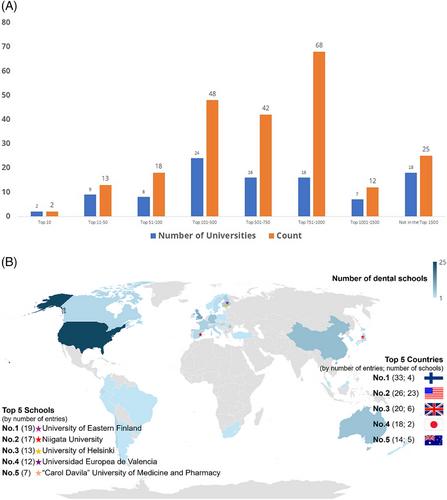
A literature search was performed using PubMed, focusing on research articles published between January 2010 and January 2024. Out of the 667 articles that matched the search terms (dentistry, education, haptic, teaching, training, virtual reality), 105 were screened, and 42 were eligible for full-text reading and utilization. Findings from an ongoing educator survey on the use of VR-haptics in dental education have also been provided.
Results
VR-haptic simulation has been shown to have a supportive role in dental simulation practice. Despite training within a digital world, hand skill transfer to the real world has been demonstrated, which affords educators more flexibility in how to train their students before and during traditional preclinical and clinical practical education. The individualized VR-haptic training and feedback help students in mastering essential working techniques, while also increasing engagement and motivation.
Conclusions
VR-haptics-supported dental education can help students effectively address challenges during their preclinical and clinical training, as well as in their subsequent careers, and it may help mitigate some weaknesses of the current educational system. Validation is a key factor for the acceptance of VR-haptic simulators; thus, further research and verification are needed before VR-haptics could be considered a primary hand skill development method of learning in dental education. VR-haptic simulation may in the future be used as an assessment tool for the students’ and clinicians’ credentialing process.
期刊介绍:
The Journal of Dental Education (JDE) is a peer-reviewed monthly journal that publishes a wide variety of educational and scientific research in dental, allied dental and advanced dental education. Published continuously by the American Dental Education Association since 1936 and internationally recognized as the premier journal for academic dentistry, the JDE publishes articles on such topics as curriculum reform, education research methods, innovative educational and assessment methodologies, faculty development, community-based dental education, student recruitment and admissions, professional and educational ethics, dental education around the world and systematic reviews of educational interest. The JDE is one of the top scholarly journals publishing the most important work in oral health education today; it celebrated its 80th anniversary in 2016.



 京公网安备 11010802042870号
京ICP备2023020795号-1
京公网安备 11010802042870号
京ICP备2023020795号-1

 分享
分享
 求助内容:
求助内容: 应助结果提醒方式:
 扫码关注我们
