{"title":"Fatty Acid Synthase (FASN) Inhibitors Suppress Metformin-Induced Fat Accumulation and Apoptosis in H4IIE Hepatocellular Carcinoma Cells.","authors":"Deokbae Park, Hyejin Boo","doi":"10.12717/DR.2024.28.4.163","DOIUrl":null,"url":null,"abstract":"<p><p>We previously reported that metformin, a widely prescribed antidiabetic drug, induces the accumulation of triglyceride (TG) together with the apoptotic death of H4IIE via AMP-activated protein kinase (AMPK) in hepatocellular carcinoma (HCC) cells. However, the effect of cytoplasmic fat accumulation on the growth of HCCs remains controversial. Herein, we investigated the effect of fatty acid synthase (FASN) inhibitors on the basal- or metformin-induced changes including the content of cytoplasmic TG and the viability of HCC cells. Cerulenin and C75, inhibitors of FASN, did not significantly affect the basal TG content but dose-dependently suppressed the metformin-induced increase in the cytoplasmic TG content. Metformin-induced apoptosis of H4IIE cells was also significantly reduced by cerulenin and C75. Metformin enhanced the generation of reactive oxygen species which was suppressed by adding cerulenin or T75. Cerulenin also stimulated cell migration, which was suppressed by metformin. However, the degree of suppressive effect of metformin on TG synthesis, apoptosis, and cell migration was much more prominent by the inhibition of AMPK by compound C than cerulenin. In conclusion, our study found that excess fat accumulation is responsible for the apoptosis of H4IIE HCC cells and is informative for designing anti-tumor reagents, especially in HCC.</p>","PeriodicalId":72791,"journal":{"name":"Development & reproduction","volume":"28 4","pages":"163-174"},"PeriodicalIF":0.0000,"publicationDate":"2024-12-01","publicationTypes":"Journal Article","fieldsOfStudy":null,"isOpenAccess":false,"openAccessPdf":"https://www.ncbi.nlm.nih.gov/pmc/articles/PMC11750162/pdf/","citationCount":"0","resultStr":null,"platform":"Semanticscholar","paperid":null,"PeriodicalName":"Development & reproduction","FirstCategoryId":"1085","ListUrlMain":"https://doi.org/10.12717/DR.2024.28.4.163","RegionNum":0,"RegionCategory":null,"ArticlePicture":[],"TitleCN":null,"AbstractTextCN":null,"PMCID":null,"EPubDate":"2024/12/31 0:00:00","PubModel":"Epub","JCR":"","JCRName":"","Score":null,"Total":0}
引用次数: 0
Abstract
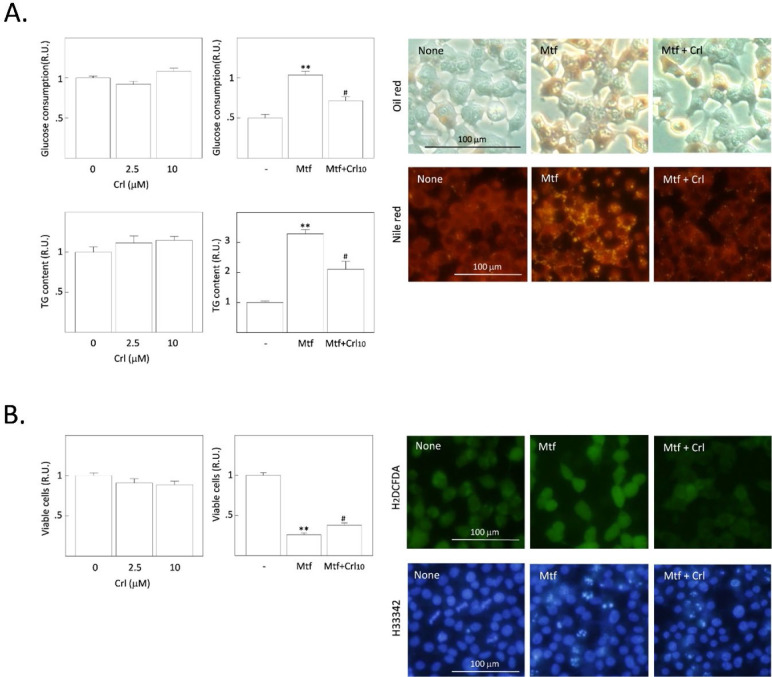
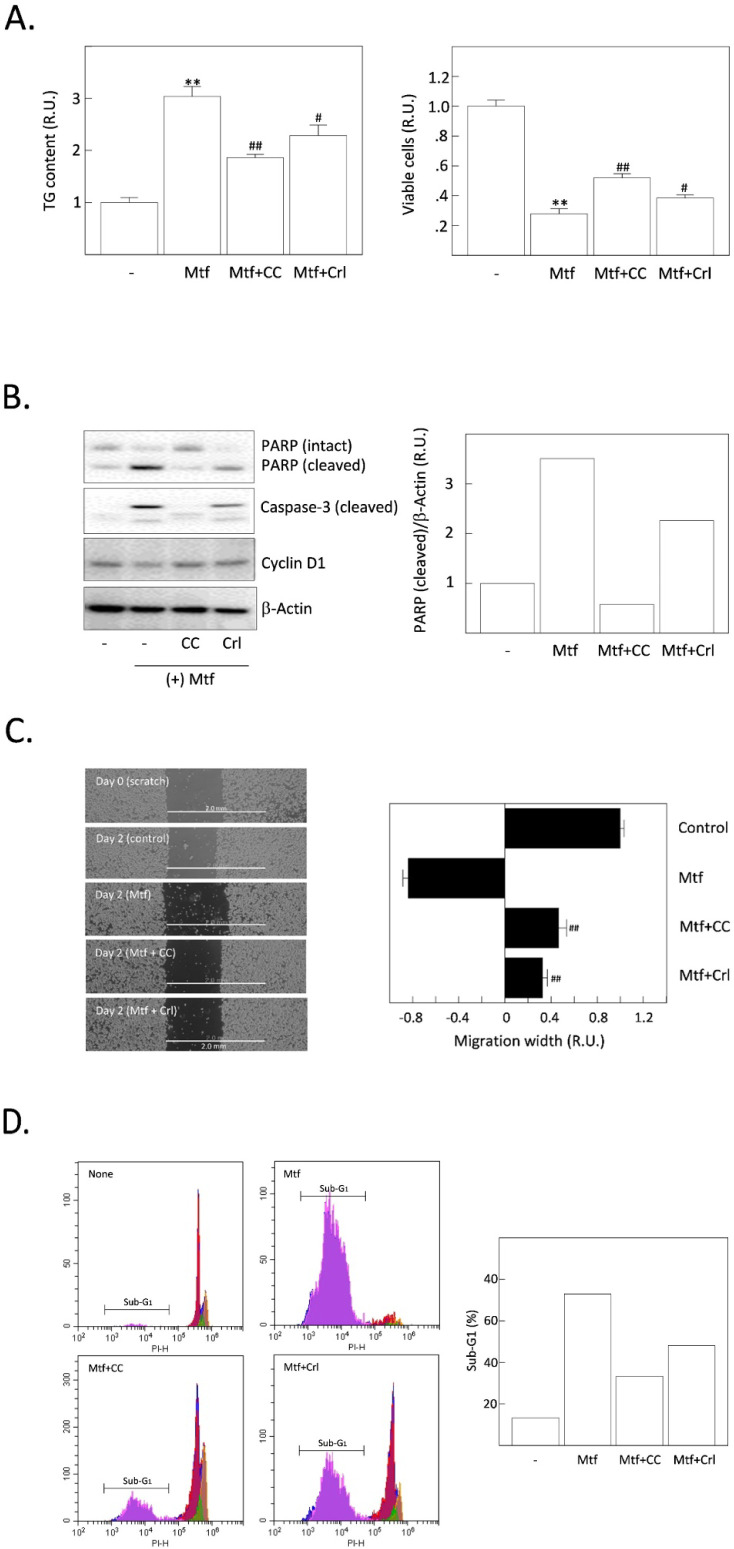
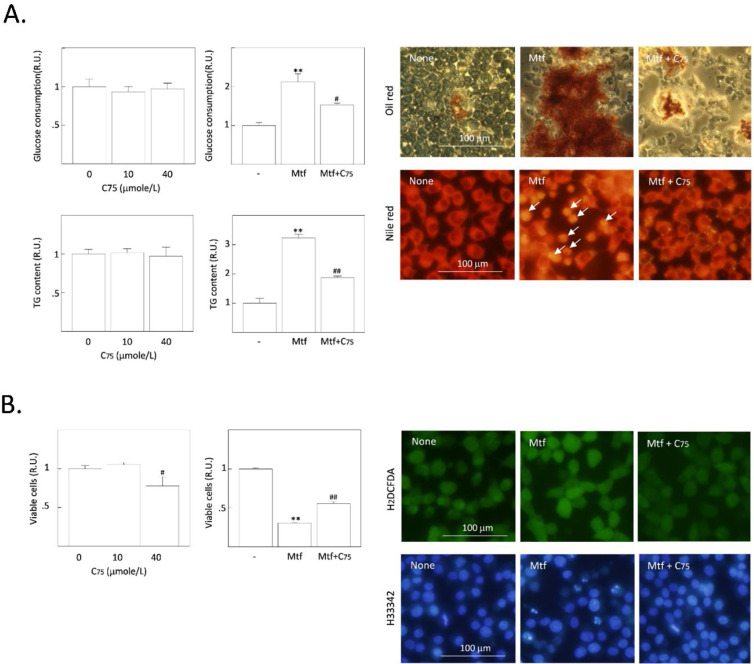
We previously reported that metformin, a widely prescribed antidiabetic drug, induces the accumulation of triglyceride (TG) together with the apoptotic death of H4IIE via AMP-activated protein kinase (AMPK) in hepatocellular carcinoma (HCC) cells. However, the effect of cytoplasmic fat accumulation on the growth of HCCs remains controversial. Herein, we investigated the effect of fatty acid synthase (FASN) inhibitors on the basal- or metformin-induced changes including the content of cytoplasmic TG and the viability of HCC cells. Cerulenin and C75, inhibitors of FASN, did not significantly affect the basal TG content but dose-dependently suppressed the metformin-induced increase in the cytoplasmic TG content. Metformin-induced apoptosis of H4IIE cells was also significantly reduced by cerulenin and C75. Metformin enhanced the generation of reactive oxygen species which was suppressed by adding cerulenin or T75. Cerulenin also stimulated cell migration, which was suppressed by metformin. However, the degree of suppressive effect of metformin on TG synthesis, apoptosis, and cell migration was much more prominent by the inhibition of AMPK by compound C than cerulenin. In conclusion, our study found that excess fat accumulation is responsible for the apoptosis of H4IIE HCC cells and is informative for designing anti-tumor reagents, especially in HCC.




 京公网安备 11010802042870号
京ICP备2023020795号-1
京公网安备 11010802042870号
京ICP备2023020795号-1

 分享
分享

 求助内容:
求助内容: 应助结果提醒方式:
 扫码关注我们
