Taylor C Holmes, Jesus D Penaloza-Aponte, Alyssa R Mickle, Rachel L Nosacka, Erica A Dale, Kristi A Streeter
{"title":"A Simple, Low-Cost Implant for Reliable Diaphragm EMG Recordings in Awake, Behaving Rats.","authors":"Taylor C Holmes, Jesus D Penaloza-Aponte, Alyssa R Mickle, Rachel L Nosacka, Erica A Dale, Kristi A Streeter","doi":"10.1523/ENEURO.0444-24.2025","DOIUrl":null,"url":null,"abstract":"<p><p>Breathing is a complex neuromuscular process vital to sustain life. In preclinical animal models, the study of respiratory motor control is primarily accomplished through neurophysiologic recordings and functional measurements of respiratory output. Neurophysiologic recordings that target neural or muscular output via direct nerve recordings or respiratory muscle electromyography (EMG) are commonly collected during anesthetized conditions. While offering tight control of experimental preparations, the use of anesthesia results in respiratory depression, may impact cardiovascular control, eliminates the potential to record volitional nonventilatory behaviors, and can limit translation. Since the diaphragm is a unique muscle which is rhythmically active and difficult to access, placing diaphragm EMGs to collect chronic recordings in awake animals is technically challenging. Here, we describe methods for fabricating and implanting indwelling diaphragm EMG electrodes to enable recordings from awake rodents for longitudinal studies. These electrodes are relatively easy and quick to produce (∼1 h), are affordable, and provide high-quality and reproducible diaphragm signals using a tethered system that allows animals to <i>ad libitum</i> behave. This system is also designed to work in conjunction with whole-body plethysmography to facilitate simultaneous recordings of diaphragm EMG and ventilation. We include detailed instructions and considerations for electrode fabrication and surgical implantation. We also provide a brief discussion on data acquisition, material considerations for implant fabrication, and the physiological implications of the diaphragm EMG signal.</p>","PeriodicalId":11617,"journal":{"name":"eNeuro","volume":" ","pages":""},"PeriodicalIF":2.7000,"publicationDate":"2025-02-19","publicationTypes":"Journal Article","fieldsOfStudy":null,"isOpenAccess":false,"openAccessPdf":"https://www.ncbi.nlm.nih.gov/pmc/articles/PMC11839091/pdf/","citationCount":"0","resultStr":null,"platform":"Semanticscholar","paperid":null,"PeriodicalName":"eNeuro","FirstCategoryId":"3","ListUrlMain":"https://doi.org/10.1523/ENEURO.0444-24.2025","RegionNum":3,"RegionCategory":"医学","ArticlePicture":[],"TitleCN":null,"AbstractTextCN":null,"PMCID":null,"EPubDate":"2025/2/1 0:00:00","PubModel":"Print","JCR":"Q3","JCRName":"NEUROSCIENCES","Score":null,"Total":0}
引用次数: 0
Abstract
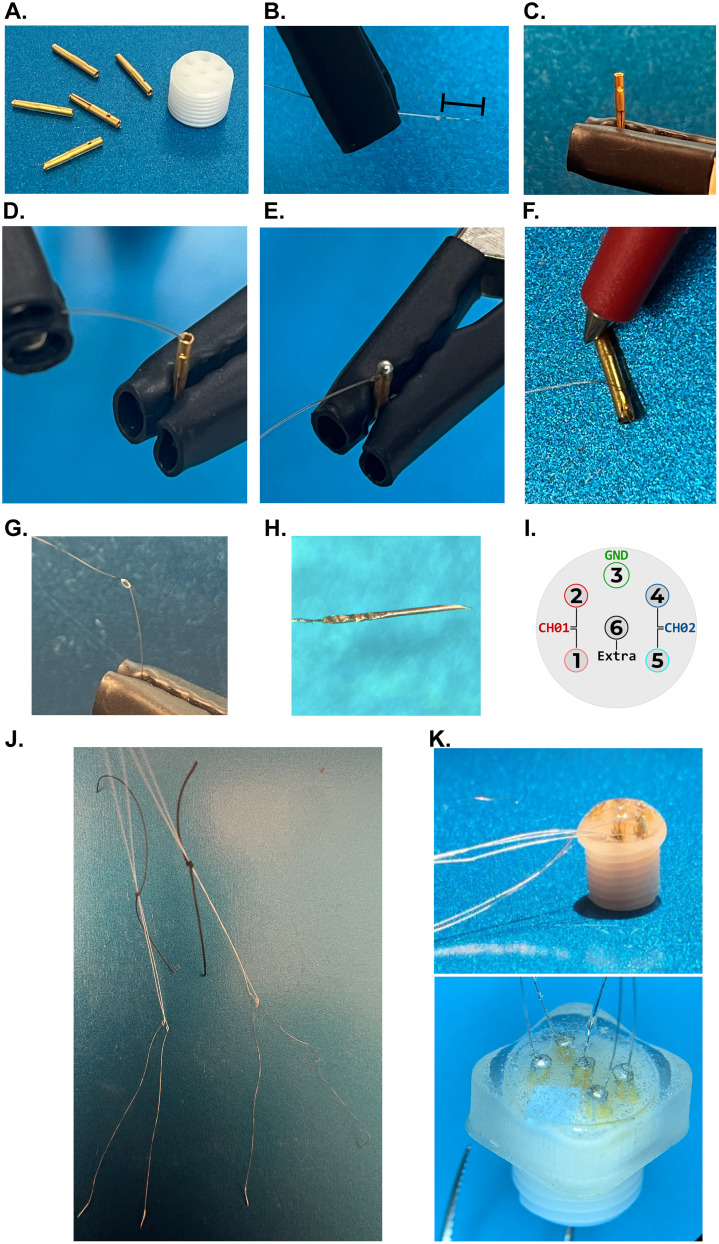
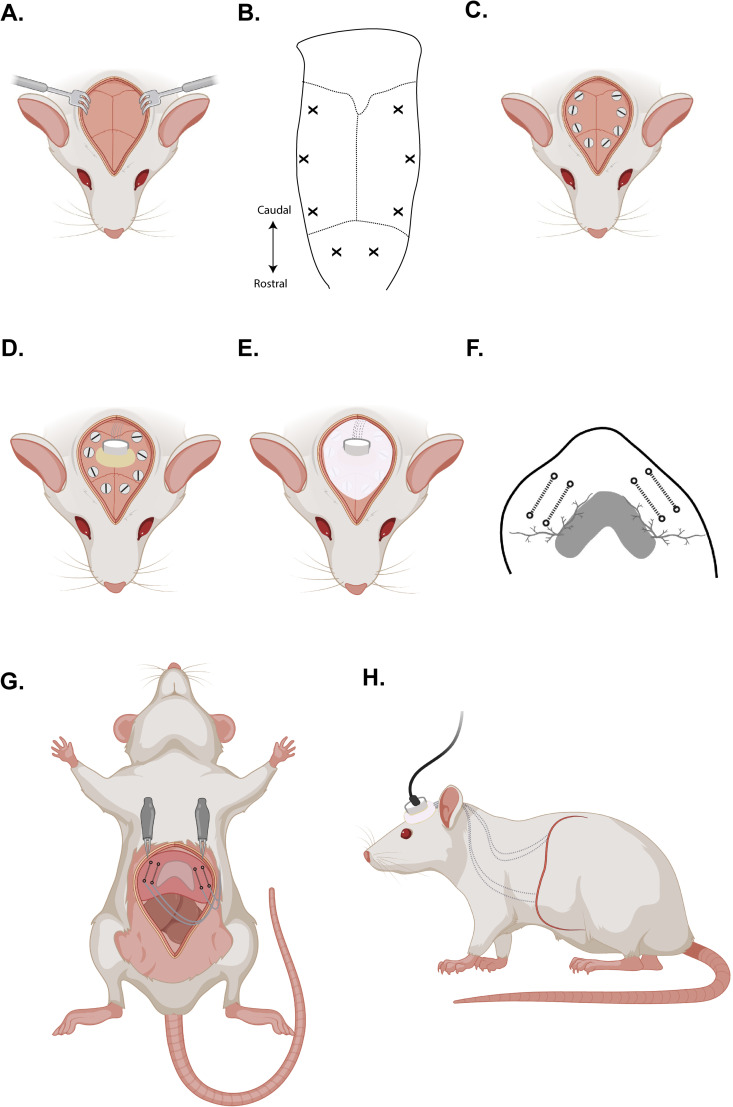
Breathing is a complex neuromuscular process vital to sustain life. In preclinical animal models, the study of respiratory motor control is primarily accomplished through neurophysiologic recordings and functional measurements of respiratory output. Neurophysiologic recordings that target neural or muscular output via direct nerve recordings or respiratory muscle electromyography (EMG) are commonly collected during anesthetized conditions. While offering tight control of experimental preparations, the use of anesthesia results in respiratory depression, may impact cardiovascular control, eliminates the potential to record volitional nonventilatory behaviors, and can limit translation. Since the diaphragm is a unique muscle which is rhythmically active and difficult to access, placing diaphragm EMGs to collect chronic recordings in awake animals is technically challenging. Here, we describe methods for fabricating and implanting indwelling diaphragm EMG electrodes to enable recordings from awake rodents for longitudinal studies. These electrodes are relatively easy and quick to produce (∼1 h), are affordable, and provide high-quality and reproducible diaphragm signals using a tethered system that allows animals to ad libitum behave. This system is also designed to work in conjunction with whole-body plethysmography to facilitate simultaneous recordings of diaphragm EMG and ventilation. We include detailed instructions and considerations for electrode fabrication and surgical implantation. We also provide a brief discussion on data acquisition, material considerations for implant fabrication, and the physiological implications of the diaphragm EMG signal.
期刊介绍:
An open-access journal from the Society for Neuroscience, eNeuro publishes high-quality, broad-based, peer-reviewed research focused solely on the field of neuroscience. eNeuro embodies an emerging scientific vision that offers a new experience for authors and readers, all in support of the Society’s mission to advance understanding of the brain and nervous system.





 京公网安备 11010802042870号
京ICP备2023020795号-1
京公网安备 11010802042870号
京ICP备2023020795号-1

 分享
分享
 求助内容:
求助内容: 应助结果提醒方式:
 扫码关注我们
