Tingting Wu, Sigit Sugiarto, Ruochen Yang, Thenapakiam Sathasivam, Udyani Aloka Weerasinghe, Pei Lin Chee, Odelia Yap, Gustav Nyström and Dan Kai
{"title":"From 3D to 4D printing of lignin towards green materials and sustainable manufacturing","authors":"Tingting Wu, Sigit Sugiarto, Ruochen Yang, Thenapakiam Sathasivam, Udyani Aloka Weerasinghe, Pei Lin Chee, Odelia Yap, Gustav Nyström and Dan Kai","doi":"10.1039/D4MH01680G","DOIUrl":null,"url":null,"abstract":"<p >Lignin is the second most abundant renewable and sustainable biomass resource. Developing advanced manufacturing to process lignin/lignocellulose into functional materials could reduce the consumption of petroleum-based materials. 3D printing provides a promising strategy to realize complex and customized geometries of lignin materials. The heterogeneity and complexity of lignin hinder its processing <em>via</em> additive manufacturing, but the recent advancement in lignin modification and polymerization provides new opportunities. Here, we summarize the recent state-of-the-art 3D printing of lignin materials, including the selection and formulation of lignin materials based on different printing techniques, the chemical modification of lignin for enhanced printability, and the related application fields. Additionally, we highlight the significant role of the 3D printing of lignocellulose biomass materials, such as wood powder and agricultural wastes. It was concluded that the most challenging part is to enhance the printability of lignin materials through modification and pretreatment of lignin while keeping the whole process green and sustainable. Beyond 3D printing, we further discuss the development of smart lignin materials and their potential for 4D printing. Ultimately, we discuss the current challenges and potential opportunities for the additive manufacturing of lignin materials. We believe this review can raise awareness among researchers about the potential of lignin materials as whole materials for constructing blocks and can promote the development of 3D/4D printing of lignin towards sustainability.</p>","PeriodicalId":87,"journal":{"name":"Materials Horizons","volume":" 9","pages":" 2789-2819"},"PeriodicalIF":10.7000,"publicationDate":"2025-02-03","publicationTypes":"Journal Article","fieldsOfStudy":null,"isOpenAccess":false,"openAccessPdf":"https://pubs.rsc.org/en/content/articlepdf/2025/mh/d4mh01680g?page=search","citationCount":"0","resultStr":null,"platform":"Semanticscholar","paperid":null,"PeriodicalName":"Materials Horizons","FirstCategoryId":"88","ListUrlMain":"https://pubs.rsc.org/en/content/articlelanding/2025/mh/d4mh01680g","RegionNum":2,"RegionCategory":"材料科学","ArticlePicture":[],"TitleCN":null,"AbstractTextCN":null,"PMCID":null,"EPubDate":"","PubModel":"","JCR":"Q1","JCRName":"CHEMISTRY, MULTIDISCIPLINARY","Score":null,"Total":0}
引用次数: 0
Abstract
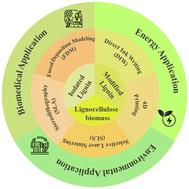
Lignin is the second most abundant renewable and sustainable biomass resource. Developing advanced manufacturing to process lignin/lignocellulose into functional materials could reduce the consumption of petroleum-based materials. 3D printing provides a promising strategy to realize complex and customized geometries of lignin materials. The heterogeneity and complexity of lignin hinder its processing via additive manufacturing, but the recent advancement in lignin modification and polymerization provides new opportunities. Here, we summarize the recent state-of-the-art 3D printing of lignin materials, including the selection and formulation of lignin materials based on different printing techniques, the chemical modification of lignin for enhanced printability, and the related application fields. Additionally, we highlight the significant role of the 3D printing of lignocellulose biomass materials, such as wood powder and agricultural wastes. It was concluded that the most challenging part is to enhance the printability of lignin materials through modification and pretreatment of lignin while keeping the whole process green and sustainable. Beyond 3D printing, we further discuss the development of smart lignin materials and their potential for 4D printing. Ultimately, we discuss the current challenges and potential opportunities for the additive manufacturing of lignin materials. We believe this review can raise awareness among researchers about the potential of lignin materials as whole materials for constructing blocks and can promote the development of 3D/4D printing of lignin towards sustainability.




 京公网安备 11010802042870号
京ICP备2023020795号-1
京公网安备 11010802042870号
京ICP备2023020795号-1

 分享
分享
 求助内容:
求助内容: 应助结果提醒方式:
 扫码关注我们
