Gan Mi Wang, Liang Jin Li, Linyi Fan, Meng Xu, Wen Lu Tang, James M Wright
{"title":"Renin inhibitors versus angiotensin receptor blockers for primary hypertension.","authors":"Gan Mi Wang, Liang Jin Li, Linyi Fan, Meng Xu, Wen Lu Tang, James M Wright","doi":"10.1002/14651858.CD012570.pub2","DOIUrl":null,"url":null,"abstract":"<p><strong>Background: </strong>Renin inhibitors, which inhibit the first and rate-limiting step in the renin angiotensin system (RAS), are thought to be more effective than other RAS inhibitors in blocking the RAS. Previous meta-analyses have shown that renin inhibitors have a favourable tolerability profile in people with mild-to-moderate hypertension and a blood-pressure-lowering magnitude that is similar to that of angiotensin receptor blockers (ARBs). ARBs inhibit the RAS by interfering with the binding of angiotensin II with its receptors. ARBs are widely prescribed and recommended as first-line therapy by some hypertension guidelines. However, a drug's efficacy in lowering blood pressure cannot be considered as a definitive indicator of its effectiveness in reducing mortality and morbidity. The benefits and harms of renin inhibitors compared to ARBs in treating hypertension are unknown.</p><p><strong>Objectives: </strong>To evaluate the benefits and harms of renin inhibitors compared to angiotensin receptor blockers in people with primary hypertension.</p><p><strong>Search methods: </strong>On 26 January 2024, the Cochrane Hypertension Information Specialist searched the following databases for randomised controlled trials: Cochrane Hypertension's Specialised Register, Cochrane Central Register of Controlled Trials, Ovid MEDLINE, and Ovid Embase. The World Health Organization International Clinical Trials Registry Platform and the US National Institutes of Health Ongoing Trials Register (ClinicalTrials.gov) were also searched for ongoing trials. We contacted authors of relevant papers regarding further published and unpublished work and checked the bibliographies of included studies and relevant systematic reviews. The searches had no language restrictions.</p><p><strong>Selection criteria: </strong>We included randomised, double-blind, parallel-design clinical trials comparing renin inhibitors and ARBs for people with primary hypertension. Studies recruiting people with proven secondary hypertension were excluded.</p><p><strong>Data collection and analysis: </strong>Two review authors independently selected the included trials, evaluated the risks of bias using the RoB 1 tool, and entered the data for analysis. We reported dichotomous outcomes as a risk ratio (RR) with a 95% confidence interval (CI) and continuous variables as mean difference (MD) with a 95% CI. The primary outcomes were all-cause mortality, total cardiovascular events, end-stage renal disease (ESRD), withdrawal due to adverse effects (WDAE), serious adverse events (SAE), and adverse events. The secondary outcomes were fatal and non-fatal myocardial infarction, fatal and non-fatal stroke, fatal heart failure or hospitalisation for heart failure, systolic and diastolic blood pressure (SBP and DBP), and heart rate. We used the GRADE approach to rate our confidence in the evidence.</p><p><strong>Main results: </strong>We included 11 double-blind RCTs involving 6780 participants with mild primary hypertension and without cardiovascular complications (mean age range 52 to 59 years), with a mean follow-up ranging from four weeks to nine months. Risk of bias was low or unclear for most domains except for other bias, which was high risk for 10 of the 11 trials due to industry funding. All the studies compared aliskiren, the only marketed molecule in the class of renin inhibitors, with an ARB. The ARB comparator was losartan in four trials, valsartan in three trials, irbesartan in three trials, and telmisartan in one trial. There were very limited or no data on cardiovascular outcomes and ESRD. There may be little to no difference between renin inhibitors and ARBs in all-cause mortality (RR 0.35, 95% CI 0.07 to 1.64; 3 studies, 1932 participants; low-certainty evidence). There is probably little to no difference between renin inhibitors and ARBs in WDAE (RR 0.71, 95% CI 0.49 to 1.02; 9 studies, 4634 participants; moderate-certainty evidence), SAE (RR 0.75, 95% CI 0.45 to 1.27; 6 studies, 3283 participants; moderate-certainty evidence), and adverse events (RR 0.98, 95% CI 0.90 to 1.06; 10 studies, 4722 participants; moderate-certainty evidence). There is probably little to no difference between renin inhibitors and ARBs in lowering SBP (MD -0.25 mmHg, 95% CI -1.05 to 0.56; 10 studies, 4222 participants; moderate-certainty evidence) and there may be little to no difference in lowering DBP (MD 0.25 mmHg, 95% CI -0.14 to 0.64; 10 studies, 4222 participants; low-certainty evidence).</p><p><strong>Authors' conclusions: </strong>The available RCT evidence suggests little to no difference between renin inhibitors and ARBs in terms of mortality, SAE, WDAE, adverse events, and blood pressure in people with mild primary hypertension. The evidence was derived from short-term trials with a limited occurrence of morbidity outcomes, leaving any potential differences unknown. Larger RCTs of longer duration with a wider range of participants and a focus on cardiovascular outcomes are needed.</p>","PeriodicalId":10473,"journal":{"name":"Cochrane Database of Systematic Reviews","volume":"2 ","pages":"CD012570"},"PeriodicalIF":8.8000,"publicationDate":"2025-02-27","publicationTypes":"Journal Article","fieldsOfStudy":null,"isOpenAccess":false,"openAccessPdf":"https://www.ncbi.nlm.nih.gov/pmc/articles/PMC11866471/pdf/","citationCount":"0","resultStr":null,"platform":"Semanticscholar","paperid":null,"PeriodicalName":"Cochrane Database of Systematic Reviews","FirstCategoryId":"3","ListUrlMain":"https://doi.org/10.1002/14651858.CD012570.pub2","RegionNum":2,"RegionCategory":"医学","ArticlePicture":[],"TitleCN":null,"AbstractTextCN":null,"PMCID":null,"EPubDate":"","PubModel":"","JCR":"Q1","JCRName":"MEDICINE, GENERAL & INTERNAL","Score":null,"Total":0}
引用次数: 0
Abstract
Background: Renin inhibitors, which inhibit the first and rate-limiting step in the renin angiotensin system (RAS), are thought to be more effective than other RAS inhibitors in blocking the RAS. Previous meta-analyses have shown that renin inhibitors have a favourable tolerability profile in people with mild-to-moderate hypertension and a blood-pressure-lowering magnitude that is similar to that of angiotensin receptor blockers (ARBs). ARBs inhibit the RAS by interfering with the binding of angiotensin II with its receptors. ARBs are widely prescribed and recommended as first-line therapy by some hypertension guidelines. However, a drug's efficacy in lowering blood pressure cannot be considered as a definitive indicator of its effectiveness in reducing mortality and morbidity. The benefits and harms of renin inhibitors compared to ARBs in treating hypertension are unknown.
Objectives: To evaluate the benefits and harms of renin inhibitors compared to angiotensin receptor blockers in people with primary hypertension.
Search methods: On 26 January 2024, the Cochrane Hypertension Information Specialist searched the following databases for randomised controlled trials: Cochrane Hypertension's Specialised Register, Cochrane Central Register of Controlled Trials, Ovid MEDLINE, and Ovid Embase. The World Health Organization International Clinical Trials Registry Platform and the US National Institutes of Health Ongoing Trials Register (ClinicalTrials.gov) were also searched for ongoing trials. We contacted authors of relevant papers regarding further published and unpublished work and checked the bibliographies of included studies and relevant systematic reviews. The searches had no language restrictions.
Selection criteria: We included randomised, double-blind, parallel-design clinical trials comparing renin inhibitors and ARBs for people with primary hypertension. Studies recruiting people with proven secondary hypertension were excluded.
Data collection and analysis: Two review authors independently selected the included trials, evaluated the risks of bias using the RoB 1 tool, and entered the data for analysis. We reported dichotomous outcomes as a risk ratio (RR) with a 95% confidence interval (CI) and continuous variables as mean difference (MD) with a 95% CI. The primary outcomes were all-cause mortality, total cardiovascular events, end-stage renal disease (ESRD), withdrawal due to adverse effects (WDAE), serious adverse events (SAE), and adverse events. The secondary outcomes were fatal and non-fatal myocardial infarction, fatal and non-fatal stroke, fatal heart failure or hospitalisation for heart failure, systolic and diastolic blood pressure (SBP and DBP), and heart rate. We used the GRADE approach to rate our confidence in the evidence.
Main results: We included 11 double-blind RCTs involving 6780 participants with mild primary hypertension and without cardiovascular complications (mean age range 52 to 59 years), with a mean follow-up ranging from four weeks to nine months. Risk of bias was low or unclear for most domains except for other bias, which was high risk for 10 of the 11 trials due to industry funding. All the studies compared aliskiren, the only marketed molecule in the class of renin inhibitors, with an ARB. The ARB comparator was losartan in four trials, valsartan in three trials, irbesartan in three trials, and telmisartan in one trial. There were very limited or no data on cardiovascular outcomes and ESRD. There may be little to no difference between renin inhibitors and ARBs in all-cause mortality (RR 0.35, 95% CI 0.07 to 1.64; 3 studies, 1932 participants; low-certainty evidence). There is probably little to no difference between renin inhibitors and ARBs in WDAE (RR 0.71, 95% CI 0.49 to 1.02; 9 studies, 4634 participants; moderate-certainty evidence), SAE (RR 0.75, 95% CI 0.45 to 1.27; 6 studies, 3283 participants; moderate-certainty evidence), and adverse events (RR 0.98, 95% CI 0.90 to 1.06; 10 studies, 4722 participants; moderate-certainty evidence). There is probably little to no difference between renin inhibitors and ARBs in lowering SBP (MD -0.25 mmHg, 95% CI -1.05 to 0.56; 10 studies, 4222 participants; moderate-certainty evidence) and there may be little to no difference in lowering DBP (MD 0.25 mmHg, 95% CI -0.14 to 0.64; 10 studies, 4222 participants; low-certainty evidence).
Authors' conclusions: The available RCT evidence suggests little to no difference between renin inhibitors and ARBs in terms of mortality, SAE, WDAE, adverse events, and blood pressure in people with mild primary hypertension. The evidence was derived from short-term trials with a limited occurrence of morbidity outcomes, leaving any potential differences unknown. Larger RCTs of longer duration with a wider range of participants and a focus on cardiovascular outcomes are needed.
期刊介绍:
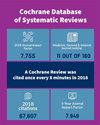
The Cochrane Database of Systematic Reviews (CDSR) stands as the premier database for systematic reviews in healthcare. It comprises Cochrane Reviews, along with protocols for these reviews, editorials, and supplements. Owned and operated by Cochrane, a worldwide independent network of healthcare stakeholders, the CDSR (ISSN 1469-493X) encompasses a broad spectrum of health-related topics, including health services.



 京公网安备 11010802042870号
京ICP备2023020795号-1
京公网安备 11010802042870号
京ICP备2023020795号-1

 分享
分享
 求助内容:
求助内容: 应助结果提醒方式:
 扫码关注我们
