Science behind policy: implementing a modern circumference-based body fat equation with a physical fitness threshold is associated with lower musculoskeletal injury risk
Holly L. McClung, P. Matthew Bartlett, Barry A. Spiering, Stephen A. Foulis, Tyler E. Oliver, Leila A. Walker, Vy T. Nguyen, Susan P. Proctor, James P. McClung, Kathryn M. Taylor
{"title":"Science behind policy: implementing a modern circumference-based body fat equation with a physical fitness threshold is associated with lower musculoskeletal injury risk","authors":"Holly L. McClung, P. Matthew Bartlett, Barry A. Spiering, Stephen A. Foulis, Tyler E. Oliver, Leila A. Walker, Vy T. Nguyen, Susan P. Proctor, James P. McClung, Kathryn M. Taylor","doi":"10.1038/s41366-024-01701-5","DOIUrl":null,"url":null,"abstract":"Body composition influences physical fitness (PF) and risk of musculoskeletal injury (MSKI). Assessing the relationship between body fat (BF), PF and MSKI risk in a large diverse military population may provide evidence basis informing health-care policies, practices, and programs for military and civilian populations. Evaluate the validity of expedient methods to estimate BF (e.g., circumference-based equation (CBE) and bioelectrical impedance analysis (BIA)) and investigate relationships between BF and PF with MSKI risk in a large diverse population. Participants were 1904 active-duty Soldiers (643 F) representing Army demographics sex, race/ethnicity (R/E), and age. PF, defined as the most recent Army Combat Fitness Test (ACFT) score and incidence of MSKI, were obtained from Army records. BF was determined by dual-energy x-ray absorptiometry (%BFDXA), bioelectrical impedance analysis (%BFBIA), and CBE using 3-site (Hodgdon, %BFHE) and 1-site (Taylor-McClung, %BFTM) equations. Results were stratified by race and sex, to evaluate differences in accuracy of estimated %BF (weighted root mean squared error from %BFDXA). Associations of BF and PF with MSKI risk were evaluated with logistic regression. CBE and BIA underestimated %BF compared to %BFDXA. %BFBIA differed from %BFDXA overall and by sex. %BFTM underestimation was uniform across both sex and R/E compared to %BFDXA. Mean differences from %BFDXA by sex (M;F) were lower when measured by %BFTM (4.38; 4.59) compared to %BFHE (5.88; 4.39). Individuals had a greater likelihood of MSKI if they failed BF standards (odds ratio 1.32). Scoring ≥ 540 total on ACFT exhibited a 31% (95% CI: 0.52, 0.92) lower MSKI risk during the following 12 months than those with a lower score. A single-site BF equation (%BFTM) maintained similar accuracy across the Soldier population by sex, age, and R/E. Implementing a PF score threshold in lieu of passing Army BF standards was associated with lower MSKI risk.","PeriodicalId":14183,"journal":{"name":"International Journal of Obesity","volume":"49 4","pages":"723-730"},"PeriodicalIF":3.8000,"publicationDate":"2025-02-27","publicationTypes":"Journal Article","fieldsOfStudy":null,"isOpenAccess":false,"openAccessPdf":"https://www.ncbi.nlm.nih.gov/pmc/articles/PMC11999870/pdf/","citationCount":"0","resultStr":null,"platform":"Semanticscholar","paperid":null,"PeriodicalName":"International Journal of Obesity","FirstCategoryId":"3","ListUrlMain":"https://www.nature.com/articles/s41366-024-01701-5","RegionNum":2,"RegionCategory":"医学","ArticlePicture":[],"TitleCN":null,"AbstractTextCN":null,"PMCID":null,"EPubDate":"","PubModel":"","JCR":"Q1","JCRName":"ENDOCRINOLOGY & METABOLISM","Score":null,"Total":0}
引用次数: 0
Abstract
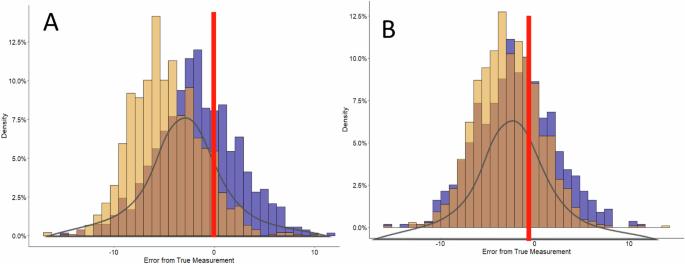
Body composition influences physical fitness (PF) and risk of musculoskeletal injury (MSKI). Assessing the relationship between body fat (BF), PF and MSKI risk in a large diverse military population may provide evidence basis informing health-care policies, practices, and programs for military and civilian populations. Evaluate the validity of expedient methods to estimate BF (e.g., circumference-based equation (CBE) and bioelectrical impedance analysis (BIA)) and investigate relationships between BF and PF with MSKI risk in a large diverse population. Participants were 1904 active-duty Soldiers (643 F) representing Army demographics sex, race/ethnicity (R/E), and age. PF, defined as the most recent Army Combat Fitness Test (ACFT) score and incidence of MSKI, were obtained from Army records. BF was determined by dual-energy x-ray absorptiometry (%BFDXA), bioelectrical impedance analysis (%BFBIA), and CBE using 3-site (Hodgdon, %BFHE) and 1-site (Taylor-McClung, %BFTM) equations. Results were stratified by race and sex, to evaluate differences in accuracy of estimated %BF (weighted root mean squared error from %BFDXA). Associations of BF and PF with MSKI risk were evaluated with logistic regression. CBE and BIA underestimated %BF compared to %BFDXA. %BFBIA differed from %BFDXA overall and by sex. %BFTM underestimation was uniform across both sex and R/E compared to %BFDXA. Mean differences from %BFDXA by sex (M;F) were lower when measured by %BFTM (4.38; 4.59) compared to %BFHE (5.88; 4.39). Individuals had a greater likelihood of MSKI if they failed BF standards (odds ratio 1.32). Scoring ≥ 540 total on ACFT exhibited a 31% (95% CI: 0.52, 0.92) lower MSKI risk during the following 12 months than those with a lower score. A single-site BF equation (%BFTM) maintained similar accuracy across the Soldier population by sex, age, and R/E. Implementing a PF score threshold in lieu of passing Army BF standards was associated with lower MSKI risk.
期刊介绍:
The International Journal of Obesity is a multi-disciplinary forum for research describing basic, clinical and applied studies in biochemistry, physiology, genetics and nutrition, molecular, metabolic, psychological and epidemiological aspects of obesity and related disorders.
We publish a range of content types including original research articles, technical reports, reviews, correspondence and brief communications that elaborate on significant advances in the field and cover topical issues.



 京公网安备 11010802042870号
京ICP备2023020795号-1
京公网安备 11010802042870号
京ICP备2023020795号-1

 分享
分享
 求助内容:
求助内容: 应助结果提醒方式:
 扫码关注我们
