Aulon Jerliu, Iulianna C Taritsa, Jose Foppiani, Daniela Lee, David Hersh, Samuel J Lin, Christopher D Hughes
{"title":"The Not Fade Away Phenomenon: 2 Cases of Delayed Nonabsorption of Biodegradable Fixation in Craniosynostosis.","authors":"Aulon Jerliu, Iulianna C Taritsa, Jose Foppiani, Daniela Lee, David Hersh, Samuel J Lin, Christopher D Hughes","doi":"10.1097/GOX.0000000000006588","DOIUrl":null,"url":null,"abstract":"<p><p>Bioresorbable plating systems have been more recently developed as an alternative to metal osteofixation systems and can be used for craniosynostosis operations. To date, the bioresorbable materials used for osteofixation have been used clinically with excellent safety outcomes and good patient outcomes without major plate-induced complications. In this report, we present 2 cases in which bioresorbable materials failed to degrade following operations for craniosynostosis in a chronic manner mandating removal and revision. We also provide a review of the existing literature regarding bioresorbable fixation and evidence of failure to degrade. Based on the clinical courses and pathological findings, it is likely that material factors, combined with the metabolic resorptive capacity and the patient host immune system, contributed to the failure of resorption. Treatment with the removal of implant debris has proven to be effective in other reports, and both patients ultimately progressed with acceptable clinical outcomes. Evaluating rare complications associated with these systems will help provide evidence to inform future product development and refinement. As the field of craniofacial surgery continues to evolve, the use of new materials and technologies promises to enhance patient outcomes, reduce complications, and expand the scope of surgical interventions.</p>","PeriodicalId":20149,"journal":{"name":"Plastic and Reconstructive Surgery Global Open","volume":"13 3","pages":"e6588"},"PeriodicalIF":1.8000,"publicationDate":"2025-03-03","publicationTypes":"Journal Article","fieldsOfStudy":null,"isOpenAccess":false,"openAccessPdf":"https://www.ncbi.nlm.nih.gov/pmc/articles/PMC11875582/pdf/","citationCount":"0","resultStr":null,"platform":"Semanticscholar","paperid":null,"PeriodicalName":"Plastic and Reconstructive Surgery Global Open","FirstCategoryId":"1085","ListUrlMain":"https://doi.org/10.1097/GOX.0000000000006588","RegionNum":0,"RegionCategory":null,"ArticlePicture":[],"TitleCN":null,"AbstractTextCN":null,"PMCID":null,"EPubDate":"2025/3/1 0:00:00","PubModel":"eCollection","JCR":"Q3","JCRName":"SURGERY","Score":null,"Total":0}
引用次数: 0
Abstract
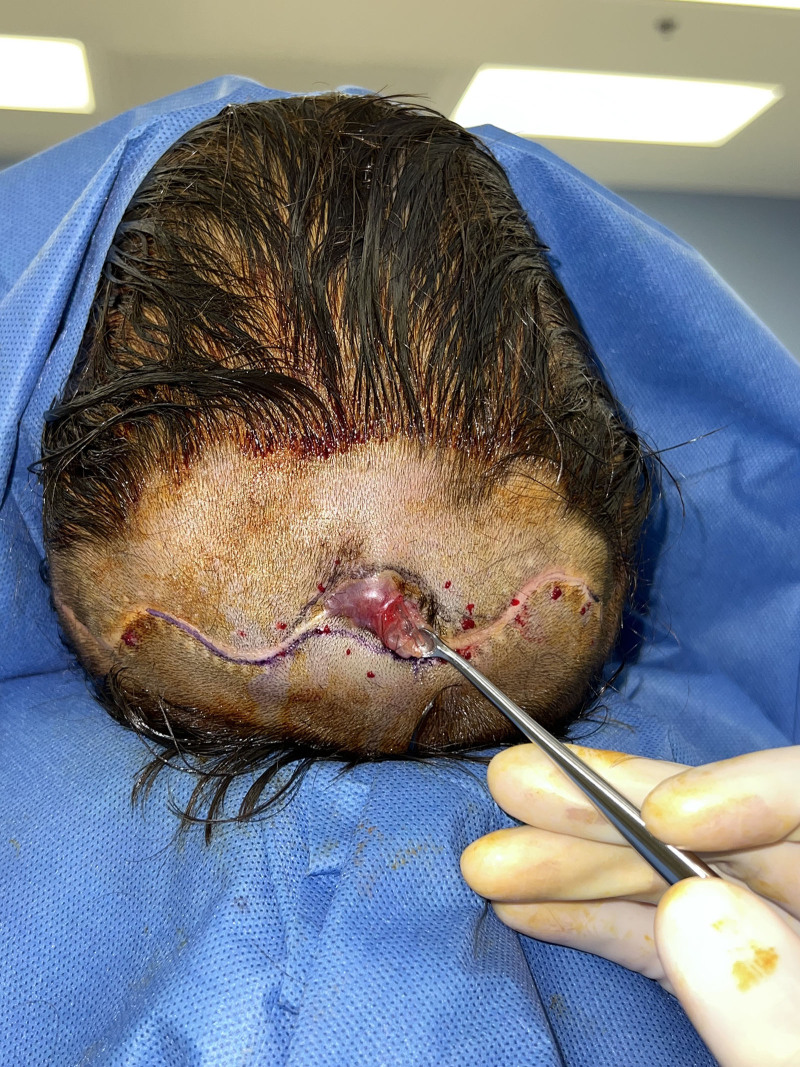
Bioresorbable plating systems have been more recently developed as an alternative to metal osteofixation systems and can be used for craniosynostosis operations. To date, the bioresorbable materials used for osteofixation have been used clinically with excellent safety outcomes and good patient outcomes without major plate-induced complications. In this report, we present 2 cases in which bioresorbable materials failed to degrade following operations for craniosynostosis in a chronic manner mandating removal and revision. We also provide a review of the existing literature regarding bioresorbable fixation and evidence of failure to degrade. Based on the clinical courses and pathological findings, it is likely that material factors, combined with the metabolic resorptive capacity and the patient host immune system, contributed to the failure of resorption. Treatment with the removal of implant debris has proven to be effective in other reports, and both patients ultimately progressed with acceptable clinical outcomes. Evaluating rare complications associated with these systems will help provide evidence to inform future product development and refinement. As the field of craniofacial surgery continues to evolve, the use of new materials and technologies promises to enhance patient outcomes, reduce complications, and expand the scope of surgical interventions.
期刊介绍:
Plastic and Reconstructive Surgery—Global Open is an open access, peer reviewed, international journal focusing on global plastic and reconstructive surgery.Plastic and Reconstructive Surgery—Global Open publishes on all areas of plastic and reconstructive surgery, including basic science/experimental studies pertinent to the field and also clinical articles on such topics as: breast reconstruction, head and neck surgery, pediatric and craniofacial surgery, hand and microsurgery, wound healing, and cosmetic and aesthetic surgery. Clinical studies, experimental articles, ideas and innovations, and techniques and case reports are all welcome article types. Manuscript submission is open to all surgeons, researchers, and other health care providers world-wide who wish to communicate their research results on topics related to plastic and reconstructive surgery. Furthermore, Plastic and Reconstructive Surgery—Global Open, a complimentary journal to Plastic and Reconstructive Surgery, provides an open access venue for the publication of those research studies sponsored by private and public funding agencies that require open access publication of study results. Its mission is to disseminate high quality, peer reviewed research in plastic and reconstructive surgery to the widest possible global audience, through an open access platform. As an open access journal, Plastic and Reconstructive Surgery—Global Open offers its content for free to any viewer. Authors of articles retain their copyright to the materials published. Additionally, Plastic and Reconstructive Surgery—Global Open provides rapid review and publication of accepted papers.





 京公网安备 11010802042870号
京ICP备2023020795号-1
京公网安备 11010802042870号
京ICP备2023020795号-1

 分享
分享

 求助内容:
求助内容: 应助结果提醒方式:
 扫码关注我们
