Euijeong Sung, Junha Cha, Seungbyn Baek, Insuk Lee
{"title":"Augmenting the human interactome for disease prediction through gene networks inferred from human cell atlas.","authors":"Euijeong Sung, Junha Cha, Seungbyn Baek, Insuk Lee","doi":"10.1080/19768354.2025.2472002","DOIUrl":null,"url":null,"abstract":"<p><p>Gene co-expression network inference from bulk tissue samples often misses cell-type-specific interactions, which can be detected through single-cell gene expression data. However, the noise and sparsity of single-cell data challenge the inference of these networks. We developed scNET, a framework for integrative cell-type-specific co-expression network inference from single-cell transcriptome data, demonstrating its utility in augmenting the human interactome for more accurate disease gene prediction. We address the limitations of <i>de novo</i> network inference from single-cell expression data through dropout imputation, metacell formation, and data transformation. Employing this data preprocessing pipeline, we inferred cell-type-specific co-expression links from single-cell atlas data, covering various cell types and tissues, and integrated over 850K of these inferred links into a preexisting human interactome, HumanNet, resulting in HumanNet-plus. This integration notably enhanced the accuracy of network-based disease gene prediction. These findings suggest that with proper data preprocessing, network inference from single-cell gene expression data can be highly effective, potentially enriching the human interactome and advancing the field of network medicine.</p>","PeriodicalId":7804,"journal":{"name":"Animal Cells and Systems","volume":"29 1","pages":"11-20"},"PeriodicalIF":3.2000,"publicationDate":"2025-03-07","publicationTypes":"Journal Article","fieldsOfStudy":null,"isOpenAccess":false,"openAccessPdf":"https://www.ncbi.nlm.nih.gov/pmc/articles/PMC11892045/pdf/","citationCount":"0","resultStr":null,"platform":"Semanticscholar","paperid":null,"PeriodicalName":"Animal Cells and Systems","FirstCategoryId":"99","ListUrlMain":"https://doi.org/10.1080/19768354.2025.2472002","RegionNum":2,"RegionCategory":"生物学","ArticlePicture":[],"TitleCN":null,"AbstractTextCN":null,"PMCID":null,"EPubDate":"2025/1/1 0:00:00","PubModel":"eCollection","JCR":"Q3","JCRName":"CELL BIOLOGY","Score":null,"Total":0}
引用次数: 0
Abstract
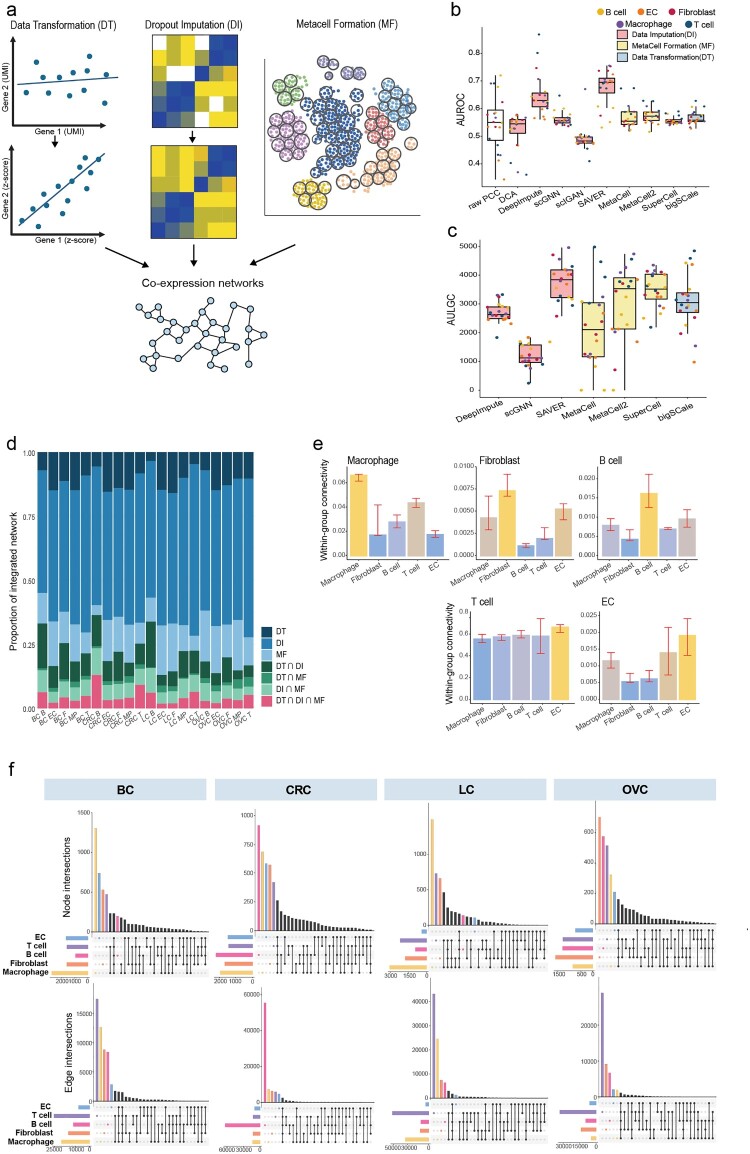
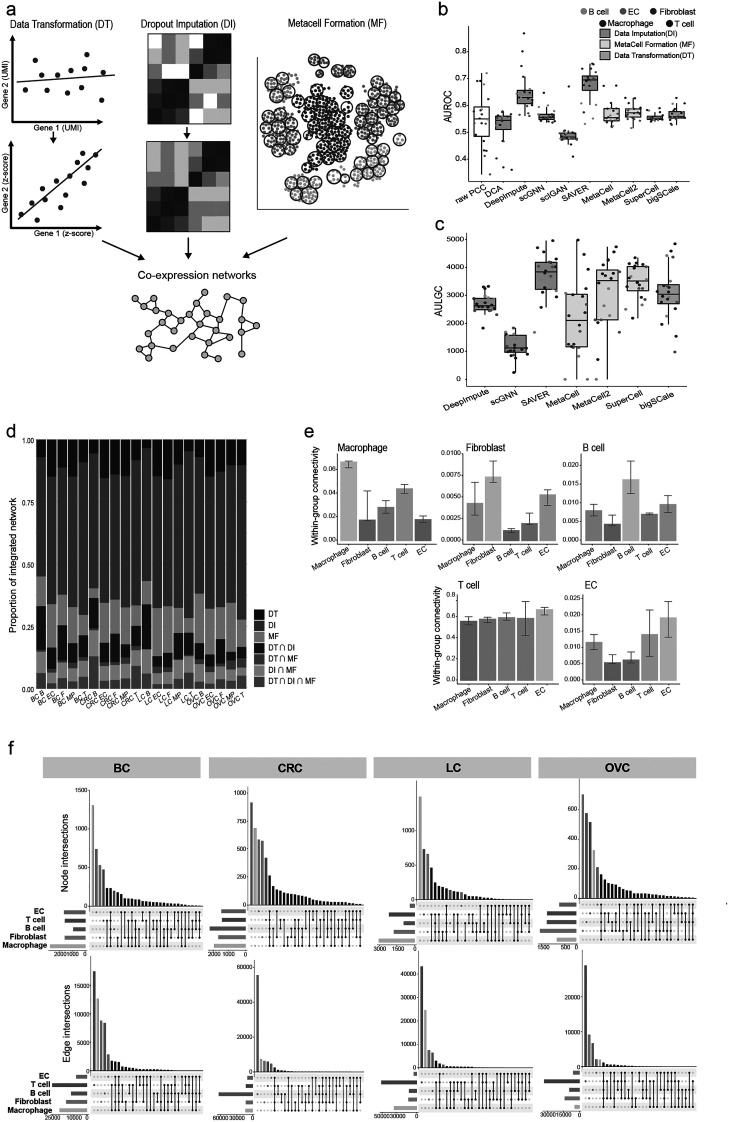
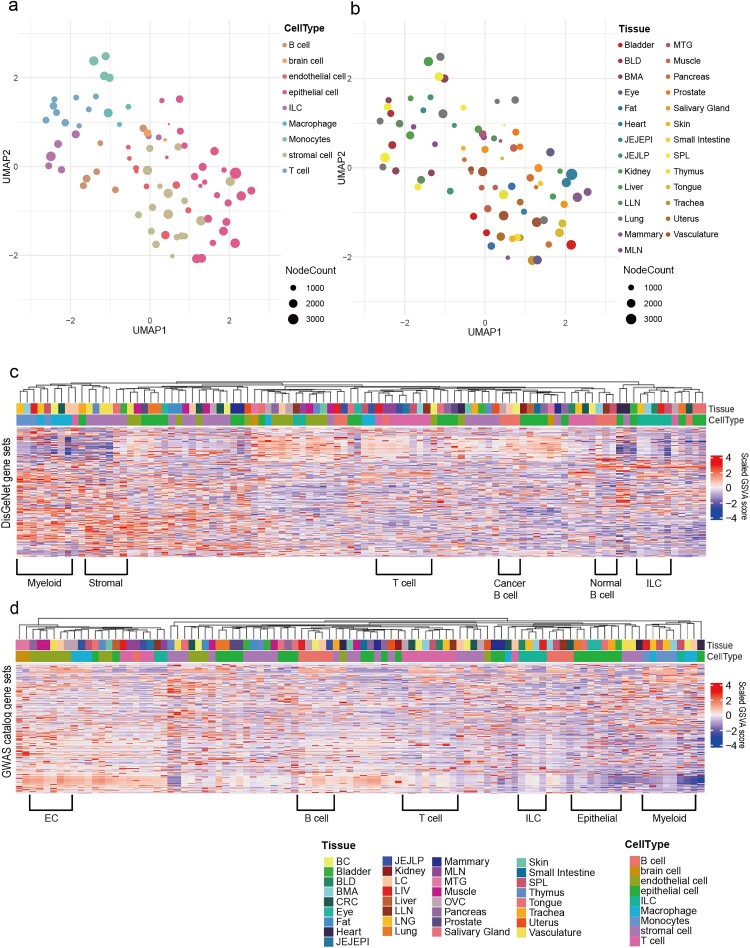
Gene co-expression network inference from bulk tissue samples often misses cell-type-specific interactions, which can be detected through single-cell gene expression data. However, the noise and sparsity of single-cell data challenge the inference of these networks. We developed scNET, a framework for integrative cell-type-specific co-expression network inference from single-cell transcriptome data, demonstrating its utility in augmenting the human interactome for more accurate disease gene prediction. We address the limitations of de novo network inference from single-cell expression data through dropout imputation, metacell formation, and data transformation. Employing this data preprocessing pipeline, we inferred cell-type-specific co-expression links from single-cell atlas data, covering various cell types and tissues, and integrated over 850K of these inferred links into a preexisting human interactome, HumanNet, resulting in HumanNet-plus. This integration notably enhanced the accuracy of network-based disease gene prediction. These findings suggest that with proper data preprocessing, network inference from single-cell gene expression data can be highly effective, potentially enriching the human interactome and advancing the field of network medicine.
期刊介绍:
Animal Cells and Systems is the official journal of the Korean Society for Integrative Biology. This international, peer-reviewed journal publishes original papers that cover diverse aspects of biological sciences including Bioinformatics and Systems Biology, Developmental Biology, Evolution and Systematic Biology, Population Biology, & Animal Behaviour, Molecular and Cellular Biology, Neurobiology and Immunology, and Translational Medicine.



 京公网安备 11010802042870号
京ICP备2023020795号-1
京公网安备 11010802042870号
京ICP备2023020795号-1

 分享
分享
 求助内容:
求助内容: 应助结果提醒方式:
 扫码关注我们
