Inhalation anesthesia and total intravenous anesthesia (TIVA) regimens in patients with obesity: an updated systematic review and meta-analysis of randomized controlled trials.
Sabrina Soledad Domene, Daniela Fulginiti, Antonia Thompson, Vanessa P Salolin Vargas, Laura C Rodriguez, Meraris D Tolentino Colón, Mariela D Fermin Madera, Juan N Layton, María I Peña Encarnación, Victor S Arruarana, Camila Sanchez Cruz, Ernesto Calderon-Martínez
{"title":"Inhalation anesthesia and total intravenous anesthesia (TIVA) regimens in patients with obesity: an updated systematic review and meta-analysis of randomized controlled trials.","authors":"Sabrina Soledad Domene, Daniela Fulginiti, Antonia Thompson, Vanessa P Salolin Vargas, Laura C Rodriguez, Meraris D Tolentino Colón, Mariela D Fermin Madera, Juan N Layton, María I Peña Encarnación, Victor S Arruarana, Camila Sanchez Cruz, Ernesto Calderon-Martínez","doi":"10.1186/s44158-025-00234-1","DOIUrl":null,"url":null,"abstract":"<p><strong>Background: </strong>Obesity is a global epidemic, projected to affect 4 billion people by 2035. Anesthesia regimens, including volatile anesthetics and total intravenous anesthesia (TIVA), impact postoperative outcomes, particularly in obese patients who face increased risks of complications. Volatile anesthetics are often associated with higher rates of postoperative nausea and vomiting (PONV), while TIVA may improve recovery but can increase costs and present additional challenges. This systematic review and meta-analysis evaluate the effects of these anesthesia methods on perioperative outcomes, including hemodynamic stability, recovery, and PONV, in this high-risk population.</p><p><strong>Methods: </strong>Adhering to the Preferred Reporting Items for Systematic Reviews and Meta-Analyses guidelines and registered in PROSPERO (CRD42024547776) studies were identified through PubMed, Web of Science, Scopus, China National Knowledge Infrastructure, CINDAHL, Cochrane, EMBASE, and Google Scholar. Two reviewers independently extracted data and assessed the risk of bias. A meta-analysis using a random-effects model was conducted.</p><p><strong>Results: </strong>Thirteen studies with 1072 participants were included. Inhalational anesthesia significantly increases PONV (RR, 2.09; 95% CI, 1.21-3.60; p = 0.01; I<sup>2</sup> = 34%) and intraoperative heart rate (MD, 3.49; 95% CI, 0.01-6.97; p < 0.01; I<sup>2</sup> = 67.6%) compared to TIVA. Other outcomes, including mean arterial pressure, duration of intensive care unit stay, recovery time, opioid use, and pain, showed no significant differences between TIVA and inhalational anesthesia in the present analysis.</p><p><strong>Conclusion: </strong>TIVA appears to improve perioperative outcomes in obese patients by reducing PONV and intraoperative heart rate, highlighting its potential advantages in clinical practice. Further research is needed to address variability and establish evidence-based guidelines for anesthesia management in this high-risk population.</p><p><strong>Systematic review registration number in prospero: </strong>CRD42024547776.</p>","PeriodicalId":73597,"journal":{"name":"Journal of Anesthesia, Analgesia and Critical Care (Online)","volume":"5 1","pages":"15"},"PeriodicalIF":3.1000,"publicationDate":"2025-03-18","publicationTypes":"Journal Article","fieldsOfStudy":null,"isOpenAccess":false,"openAccessPdf":"https://www.ncbi.nlm.nih.gov/pmc/articles/PMC11917146/pdf/","citationCount":"0","resultStr":null,"platform":"Semanticscholar","paperid":null,"PeriodicalName":"Journal of Anesthesia, Analgesia and Critical Care (Online)","FirstCategoryId":"1085","ListUrlMain":"https://doi.org/10.1186/s44158-025-00234-1","RegionNum":0,"RegionCategory":null,"ArticlePicture":[],"TitleCN":null,"AbstractTextCN":null,"PMCID":null,"EPubDate":"","PubModel":"","JCR":"","JCRName":"","Score":null,"Total":0}
引用次数: 0
Abstract
Background: Obesity is a global epidemic, projected to affect 4 billion people by 2035. Anesthesia regimens, including volatile anesthetics and total intravenous anesthesia (TIVA), impact postoperative outcomes, particularly in obese patients who face increased risks of complications. Volatile anesthetics are often associated with higher rates of postoperative nausea and vomiting (PONV), while TIVA may improve recovery but can increase costs and present additional challenges. This systematic review and meta-analysis evaluate the effects of these anesthesia methods on perioperative outcomes, including hemodynamic stability, recovery, and PONV, in this high-risk population.
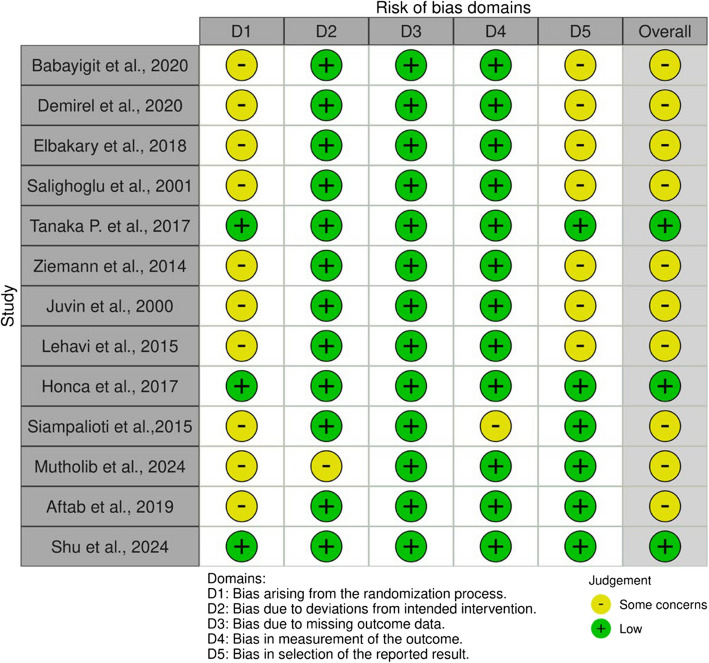
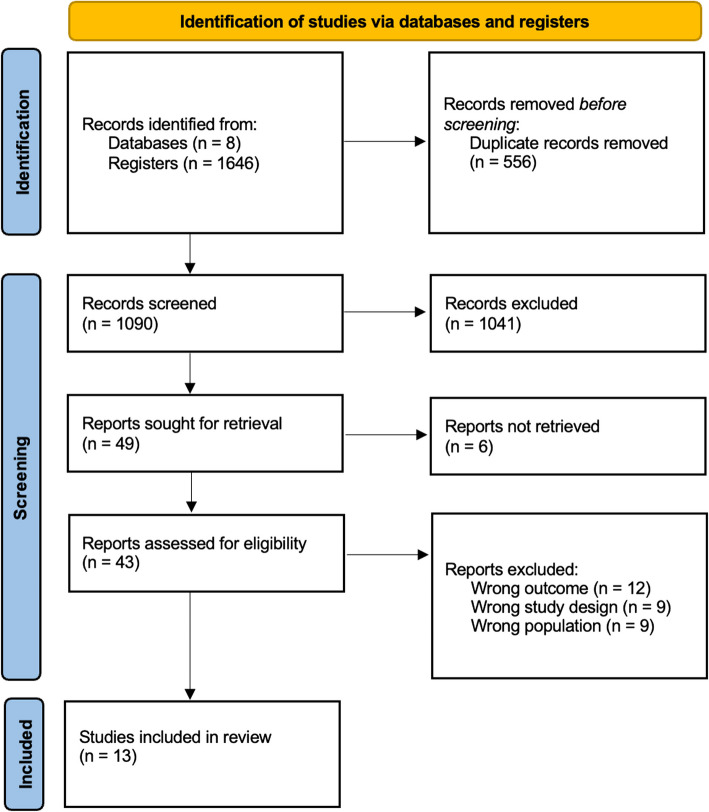
Methods: Adhering to the Preferred Reporting Items for Systematic Reviews and Meta-Analyses guidelines and registered in PROSPERO (CRD42024547776) studies were identified through PubMed, Web of Science, Scopus, China National Knowledge Infrastructure, CINDAHL, Cochrane, EMBASE, and Google Scholar. Two reviewers independently extracted data and assessed the risk of bias. A meta-analysis using a random-effects model was conducted.
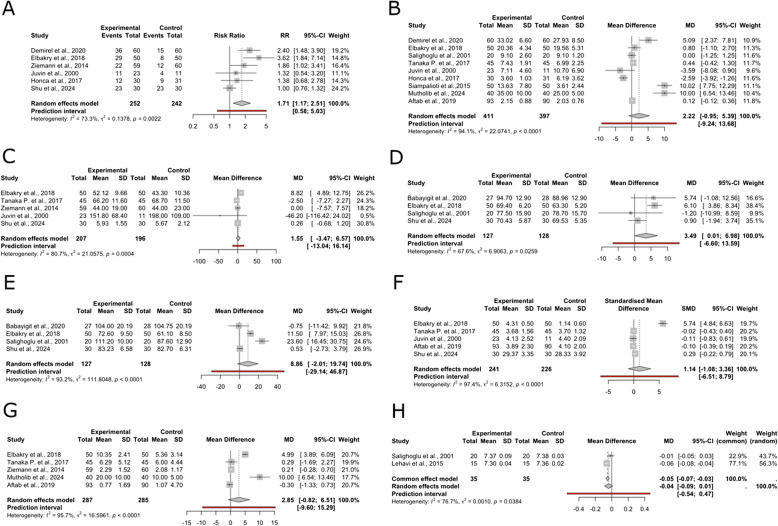
Results: Thirteen studies with 1072 participants were included. Inhalational anesthesia significantly increases PONV (RR, 2.09; 95% CI, 1.21-3.60; p = 0.01; I2 = 34%) and intraoperative heart rate (MD, 3.49; 95% CI, 0.01-6.97; p < 0.01; I2 = 67.6%) compared to TIVA. Other outcomes, including mean arterial pressure, duration of intensive care unit stay, recovery time, opioid use, and pain, showed no significant differences between TIVA and inhalational anesthesia in the present analysis.
Conclusion: TIVA appears to improve perioperative outcomes in obese patients by reducing PONV and intraoperative heart rate, highlighting its potential advantages in clinical practice. Further research is needed to address variability and establish evidence-based guidelines for anesthesia management in this high-risk population.
Systematic review registration number in prospero: CRD42024547776.



 京公网安备 11010802042870号
京ICP备2023020795号-1
京公网安备 11010802042870号
京ICP备2023020795号-1

 分享
分享

 求助内容:
求助内容: 应助结果提醒方式:
 扫码关注我们
