Zhili Wang, Yunge Gao, Yuzhang Huang, Wenying Nie, Yun Li, Haibin Sheng, Jie Chen, Yuzhu Guo, Kun Han, Zhiwu Huang, Fan Jiang, Jun Zhang, Hao Wu, Ying Chen
{"title":"Implementation of Universal Newborn Hearing Screening and Analysis of School Enrollment Among Hearing-Impaired Students in China.","authors":"Zhili Wang, Yunge Gao, Yuzhang Huang, Wenying Nie, Yun Li, Haibin Sheng, Jie Chen, Yuzhu Guo, Kun Han, Zhiwu Huang, Fan Jiang, Jun Zhang, Hao Wu, Ying Chen","doi":"10.46234/ccdcw2025.050","DOIUrl":null,"url":null,"abstract":"<p><p>Universal newborn hearing screening (UNHS) is recognized as the most effective strategy for early detection of congenital hearing loss; however, screening coverage remains inadequate in many countries. In China, newborn hearing screening has been implemented for over two decades. To evaluate our policies and practices during this period and assess resource equity, health impacts, and future challenges, we conducted a nationwide survey focusing on newborn hearing screening coverage, the number of special schools for deaf-mutes, and the proportion of hearing-impaired students in mainstream education. From 2001 to 2020, China's UNHS program coverage increased from 10.9% to 94.3%, while the proportion of hearing-impaired students in mainstream education rose from 24.8% to 57.5%. Concurrently, the number of hearing-impaired students in special schools decreased from 76,554 to 34,945, and the number of special schools for deaf-mutes declined from 639 to 389. Through the implementation of the UNHS program, China has made substantial progress in improving newborn hearing health, yielding long-term benefits for those with congenital hearing loss. However, targeted resource allocation and the establishment of a national platform remain priorities for future development. Our experience may provide valuable insights for similar settings.</p>","PeriodicalId":69039,"journal":{"name":"中国疾病预防控制中心周报","volume":"7 9","pages":"312-317"},"PeriodicalIF":3.5000,"publicationDate":"2025-02-28","publicationTypes":"Journal Article","fieldsOfStudy":null,"isOpenAccess":false,"openAccessPdf":"https://www.ncbi.nlm.nih.gov/pmc/articles/PMC11911654/pdf/","citationCount":"0","resultStr":null,"platform":"Semanticscholar","paperid":null,"PeriodicalName":"中国疾病预防控制中心周报","FirstCategoryId":"3","ListUrlMain":"https://doi.org/10.46234/ccdcw2025.050","RegionNum":0,"RegionCategory":null,"ArticlePicture":[],"TitleCN":null,"AbstractTextCN":null,"PMCID":null,"EPubDate":"","PubModel":"","JCR":"Q1","JCRName":"PUBLIC, ENVIRONMENTAL & OCCUPATIONAL HEALTH","Score":null,"Total":0}
引用次数: 0
Abstract
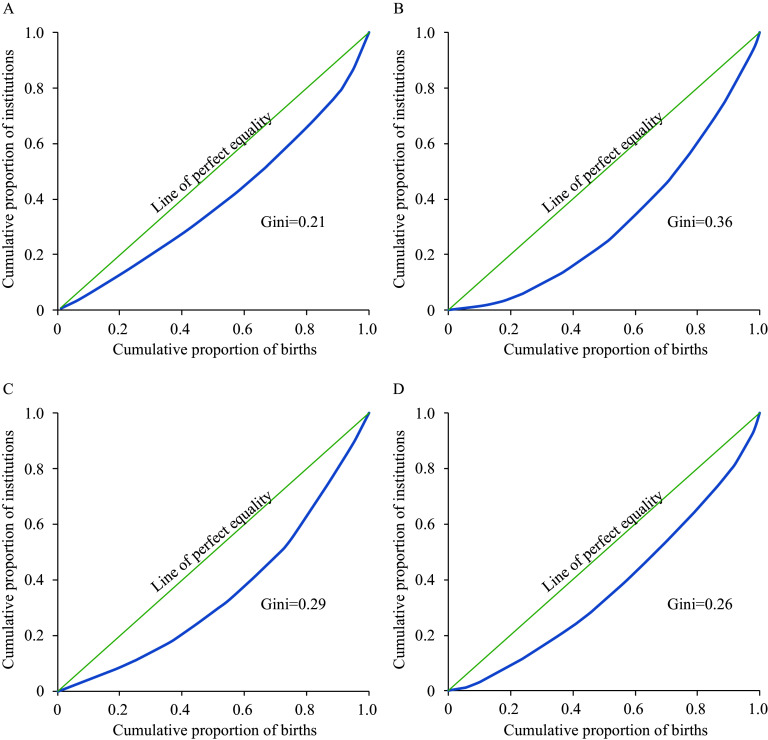
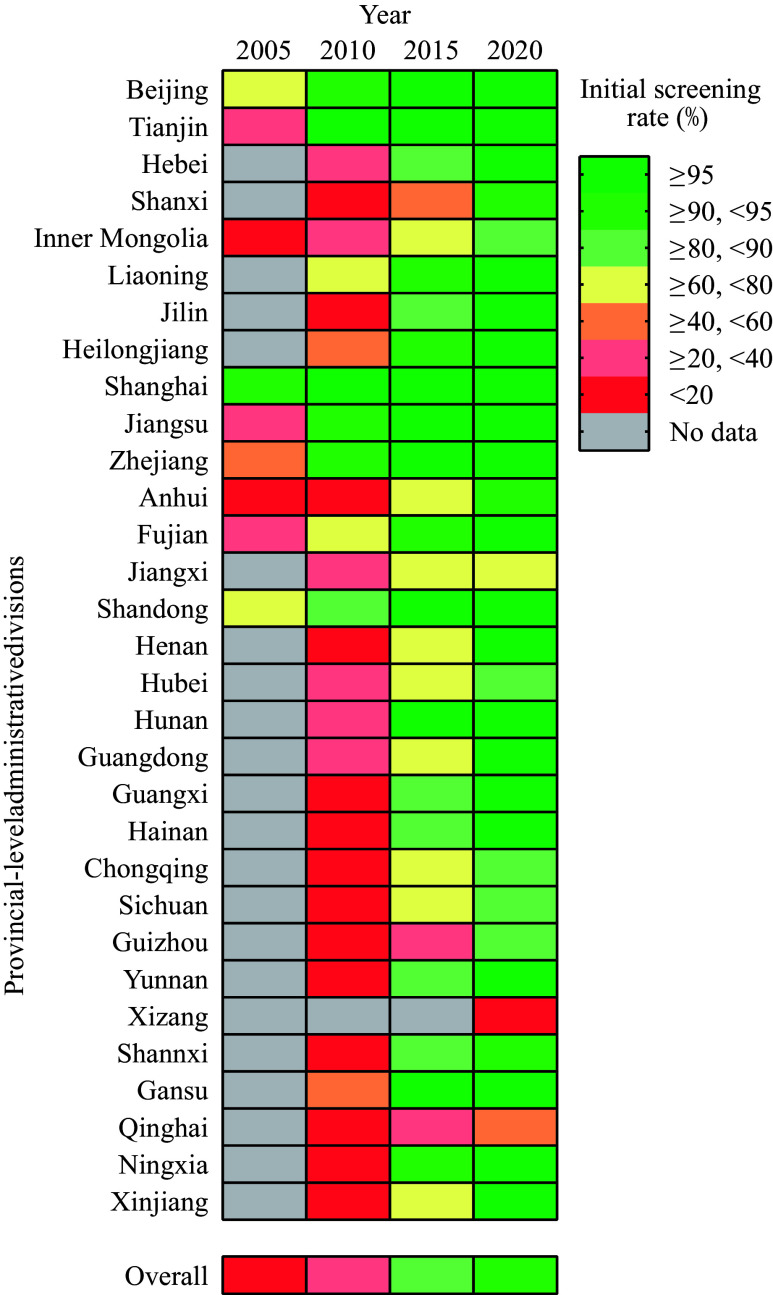
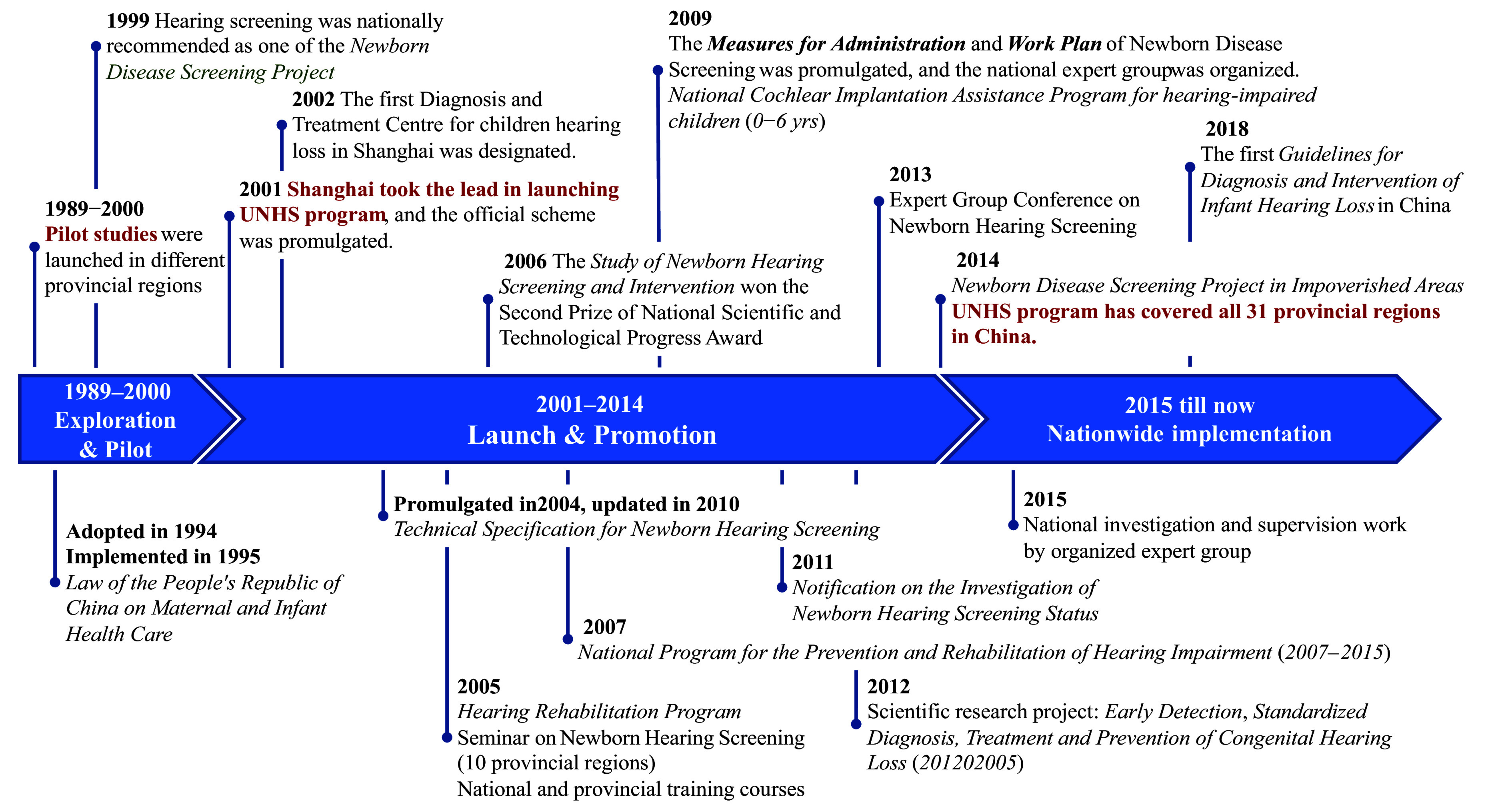
Universal newborn hearing screening (UNHS) is recognized as the most effective strategy for early detection of congenital hearing loss; however, screening coverage remains inadequate in many countries. In China, newborn hearing screening has been implemented for over two decades. To evaluate our policies and practices during this period and assess resource equity, health impacts, and future challenges, we conducted a nationwide survey focusing on newborn hearing screening coverage, the number of special schools for deaf-mutes, and the proportion of hearing-impaired students in mainstream education. From 2001 to 2020, China's UNHS program coverage increased from 10.9% to 94.3%, while the proportion of hearing-impaired students in mainstream education rose from 24.8% to 57.5%. Concurrently, the number of hearing-impaired students in special schools decreased from 76,554 to 34,945, and the number of special schools for deaf-mutes declined from 639 to 389. Through the implementation of the UNHS program, China has made substantial progress in improving newborn hearing health, yielding long-term benefits for those with congenital hearing loss. However, targeted resource allocation and the establishment of a national platform remain priorities for future development. Our experience may provide valuable insights for similar settings.




 京公网安备 11010802042870号
京ICP备2023020795号-1
京公网安备 11010802042870号
京ICP备2023020795号-1

 分享
分享
 求助内容:
求助内容: 应助结果提醒方式:
 扫码关注我们
