{"title":"[Extracorporeal Life Support in Lung Transplantation and Beyond].","authors":"Alexander Hermann, Thomas Schweiger","doi":"10.1055/a-2563-8383","DOIUrl":null,"url":null,"abstract":"<p><p>Lung transplantation is often the sole and final therapeutic option for patients with end-stage lung disease. In recent years, clinical outcomes have steadily improved, driven in part by advancements in extracorporeal mechanical support. These techniques have become an integral component of routine clinical practice, particularly in lung transplantation centres. Extracorporeal lung support systems range from relatively simple pumpless devices to complex cannulation techniques and device configurations. In particular, extracorporeal membrane oxygenation (ECMO) encompasses various configurations widely utilised in thoracic surgery, especially in lung transplantation. A distinction can be made between preoperative ECMO, referred to as bridge-to-transplant, and intraoperative ECMO support, which is employed during the transplantation procedure. In recent years, intraoperative ECMO has largely replaced the traditional heart-lung machine. Additionally, ECMO plays a critical role in the immediate postoperative period, both in preventing and managing primary graft dysfunction. Beyond lung transplantation, extracorporeal life support systems are also applied in complex thoracic surgical resections and procedures involving the central airways. In the future, technical advancements and improvements in treatment protocols are expected to further enhance the role of extracorporeal mechanical support in the management of thoracic surgical patients.</p>","PeriodicalId":23956,"journal":{"name":"Zentralblatt fur Chirurgie","volume":" ","pages":"286-294"},"PeriodicalIF":0.7000,"publicationDate":"2025-06-01","publicationTypes":"Journal Article","fieldsOfStudy":null,"isOpenAccess":false,"openAccessPdf":"https://www.ncbi.nlm.nih.gov/pmc/articles/PMC12133329/pdf/","citationCount":"0","resultStr":null,"platform":"Semanticscholar","paperid":null,"PeriodicalName":"Zentralblatt fur Chirurgie","FirstCategoryId":"3","ListUrlMain":"https://doi.org/10.1055/a-2563-8383","RegionNum":4,"RegionCategory":"医学","ArticlePicture":[],"TitleCN":null,"AbstractTextCN":null,"PMCID":null,"EPubDate":"2025/4/7 0:00:00","PubModel":"Epub","JCR":"Q4","JCRName":"SURGERY","Score":null,"Total":0}
引用次数: 0
Abstract
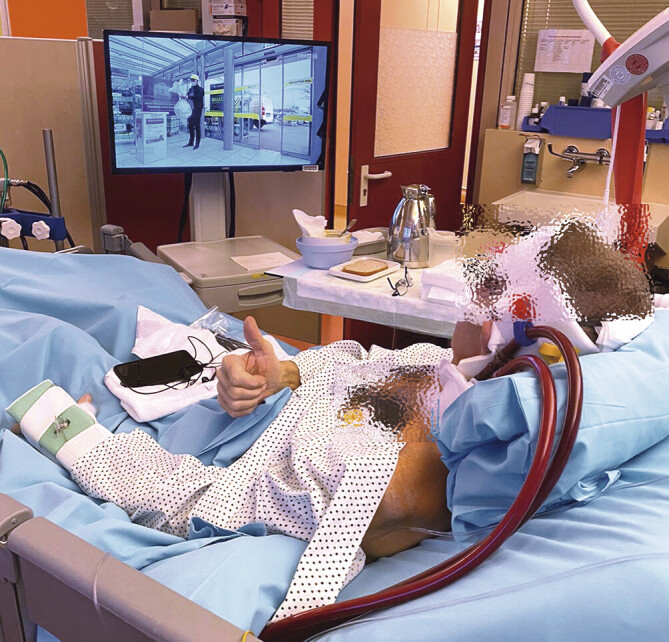
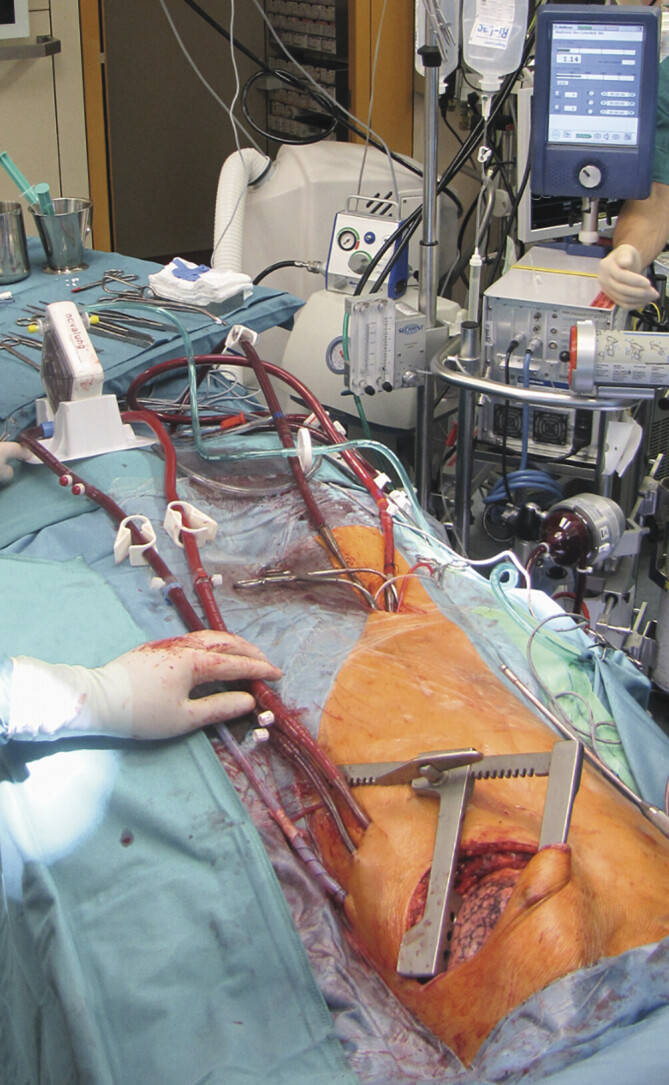
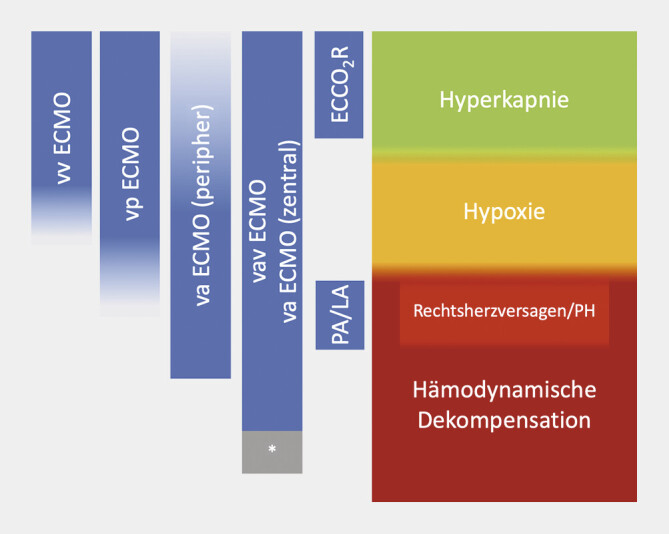
Lung transplantation is often the sole and final therapeutic option for patients with end-stage lung disease. In recent years, clinical outcomes have steadily improved, driven in part by advancements in extracorporeal mechanical support. These techniques have become an integral component of routine clinical practice, particularly in lung transplantation centres. Extracorporeal lung support systems range from relatively simple pumpless devices to complex cannulation techniques and device configurations. In particular, extracorporeal membrane oxygenation (ECMO) encompasses various configurations widely utilised in thoracic surgery, especially in lung transplantation. A distinction can be made between preoperative ECMO, referred to as bridge-to-transplant, and intraoperative ECMO support, which is employed during the transplantation procedure. In recent years, intraoperative ECMO has largely replaced the traditional heart-lung machine. Additionally, ECMO plays a critical role in the immediate postoperative period, both in preventing and managing primary graft dysfunction. Beyond lung transplantation, extracorporeal life support systems are also applied in complex thoracic surgical resections and procedures involving the central airways. In the future, technical advancements and improvements in treatment protocols are expected to further enhance the role of extracorporeal mechanical support in the management of thoracic surgical patients.
期刊介绍:
Konzentriertes Fachwissen aus Forschung und Praxis
Das Zentralblatt für Chirurgie – alle Neuigkeiten aus der Allgemeinen, Viszeral-, Thorax- und Gefäßchirurgie.



 京公网安备 11010802042870号
京ICP备2023020795号-1
京公网安备 11010802042870号
京ICP备2023020795号-1

 分享
分享
 求助内容:
求助内容: 应助结果提醒方式:
 扫码关注我们
