Melinda Box*, Ciana Paye, Maria Teresa Gallardo-Williams
{"title":"Positive Feedback via Descriptive Comments for Improved Safety Inspection Responsiveness and Compliance","authors":"Melinda Box*, Ciana Paye, Maria Teresa Gallardo-Williams","doi":"10.1021/acs.chas.1c00009","DOIUrl":null,"url":null,"abstract":"<p >The format of feedback can have a significant impact on the outcome of an evaluation. Checklists, a common tool in health and safety inspections, have limited potential to change practices and habits between utilizations because implicitly they are finite in terms of conveying priority or providing guidance on how to solve cited issues. In addition, they are vulnerable to variability in the thoroughness of application. In contrast, feedback in the form of unstructured descriptive comments has the potential to magnify existing strengths, which sustain an overall good practice between inspections if the comments include positive citations that are specific and detailed. Without inclusion of both positive feedback and unstructured descriptive comments to the standard, structured checklist, inspectors miss the opportunity to reinforce actions already being performed and the opportunity to build on the foundation of existing skill and knowledge. This case study combines principles of management, evaluation tool design, behavioral psychology, and neurological science to explain the impact the authors observed on safety compliance in conjunction with providing positive feedback in unstructured comments as part of annual inspection reports.</p>","PeriodicalId":12,"journal":{"name":"ACS Chemical Health & Safety","volume":"28 6","pages":"397–401"},"PeriodicalIF":3.4000,"publicationDate":"2021-08-23","publicationTypes":"Journal Article","fieldsOfStudy":null,"isOpenAccess":false,"openAccessPdf":"https://sci-hub-pdf.com/10.1021/acs.chas.1c00009","citationCount":"2","resultStr":null,"platform":"Semanticscholar","paperid":null,"PeriodicalName":"ACS Chemical Health & Safety","FirstCategoryId":"1","ListUrlMain":"https://pubs.acs.org/doi/10.1021/acs.chas.1c00009","RegionNum":0,"RegionCategory":null,"ArticlePicture":[],"TitleCN":null,"AbstractTextCN":null,"PMCID":null,"EPubDate":"","PubModel":"","JCR":"Q2","JCRName":"PUBLIC, ENVIRONMENTAL & OCCUPATIONAL HEALTH","Score":null,"Total":0}
引用次数: 2
Abstract
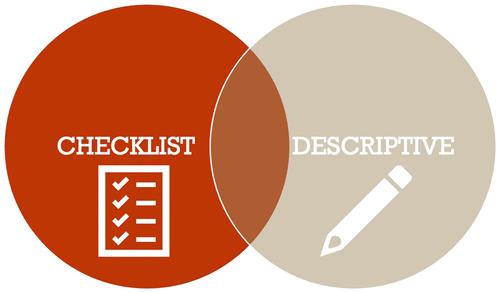
The format of feedback can have a significant impact on the outcome of an evaluation. Checklists, a common tool in health and safety inspections, have limited potential to change practices and habits between utilizations because implicitly they are finite in terms of conveying priority or providing guidance on how to solve cited issues. In addition, they are vulnerable to variability in the thoroughness of application. In contrast, feedback in the form of unstructured descriptive comments has the potential to magnify existing strengths, which sustain an overall good practice between inspections if the comments include positive citations that are specific and detailed. Without inclusion of both positive feedback and unstructured descriptive comments to the standard, structured checklist, inspectors miss the opportunity to reinforce actions already being performed and the opportunity to build on the foundation of existing skill and knowledge. This case study combines principles of management, evaluation tool design, behavioral psychology, and neurological science to explain the impact the authors observed on safety compliance in conjunction with providing positive feedback in unstructured comments as part of annual inspection reports.
期刊介绍:
The Journal of Chemical Health and Safety focuses on news, information, and ideas relating to issues and advances in chemical health and safety. The Journal of Chemical Health and Safety covers up-to-the minute, in-depth views of safety issues ranging from OSHA and EPA regulations to the safe handling of hazardous waste, from the latest innovations in effective chemical hygiene practices to the courts'' most recent rulings on safety-related lawsuits. The Journal of Chemical Health and Safety presents real-world information that health, safety and environmental professionals and others responsible for the safety of their workplaces can put to use right away, identifying potential and developing safety concerns before they do real harm.



 京公网安备 11010802042870号
京ICP备2023020795号-1
京公网安备 11010802042870号
京ICP备2023020795号-1

 分享
分享
 求助内容:
求助内容: 应助结果提醒方式:
 扫码关注我们
