Cooperation of cell adhesion and autophagy in the brain: Functional roles in development and neurodegenerative disease

Q1 Medicine Matrix Biology Plus Pub Date : 2021-12-01 DOI:10.1016/j.mbplus.2021.100089
Sarah J. Hernandez , Gianna Fote , Andrea M. Reyes-Ortiz , Joan S. Steffan , Leslie M. Thompson
{"title":"Cooperation of cell adhesion and autophagy in the brain: Functional roles in development and neurodegenerative disease","authors":"Sarah J. Hernandez ,&nbsp;Gianna Fote ,&nbsp;Andrea M. Reyes-Ortiz ,&nbsp;Joan S. Steffan ,&nbsp;Leslie M. Thompson","doi":"10.1016/j.mbplus.2021.100089","DOIUrl":null,"url":null,"abstract":"<div><p>Cellular adhesive connections directed by the extracellular matrix (ECM) and maintenance of cellular homeostasis by autophagy are seemingly disparate functions that are molecularly intertwined, each regulating the other. This is an emerging field in the brain where the interplay between adhesion and autophagy functions at the intersection of neuroprotection and neurodegeneration. The ECM and adhesion proteins regulate autophagic responses to direct protein clearance and guide regenerative programs that go awry in brain disorders. Concomitantly, autophagic flux acts to regulate adhesion dynamics to mediate neurite outgrowth and synaptic plasticity with functional disruption contributed by neurodegenerative disease. This review highlights the cooperative exchange between cellular adhesion and autophagy in the brain during health and disease. As the mechanistic alliance between adhesion and autophagy has been leveraged therapeutically for metastatic disease, understanding overlapping molecular functions that direct the interplay between adhesion and autophagy might uncover therapeutic strategies to correct or compensate for neurodegeneration.</p></div>","PeriodicalId":52317,"journal":{"name":"Matrix Biology Plus","volume":"12 ","pages":"Article 100089"},"PeriodicalIF":0.0000,"publicationDate":"2021-12-01","publicationTypes":"Journal Article","fieldsOfStudy":null,"isOpenAccess":false,"openAccessPdf":"https://ftp.ncbi.nlm.nih.gov/pub/pmc/oa_pdf/75/fe/main.PMC8579148.pdf","citationCount":"7","resultStr":null,"platform":"Semanticscholar","paperid":null,"PeriodicalName":"Matrix Biology Plus","FirstCategoryId":"1085","ListUrlMain":"https://www.sciencedirect.com/science/article/pii/S2590028521000338","RegionNum":0,"RegionCategory":null,"ArticlePicture":[],"TitleCN":null,"AbstractTextCN":null,"PMCID":null,"EPubDate":"","PubModel":"","JCR":"Q1","JCRName":"Medicine","Score":null,"Total":0}
引用次数: 7

Abstract

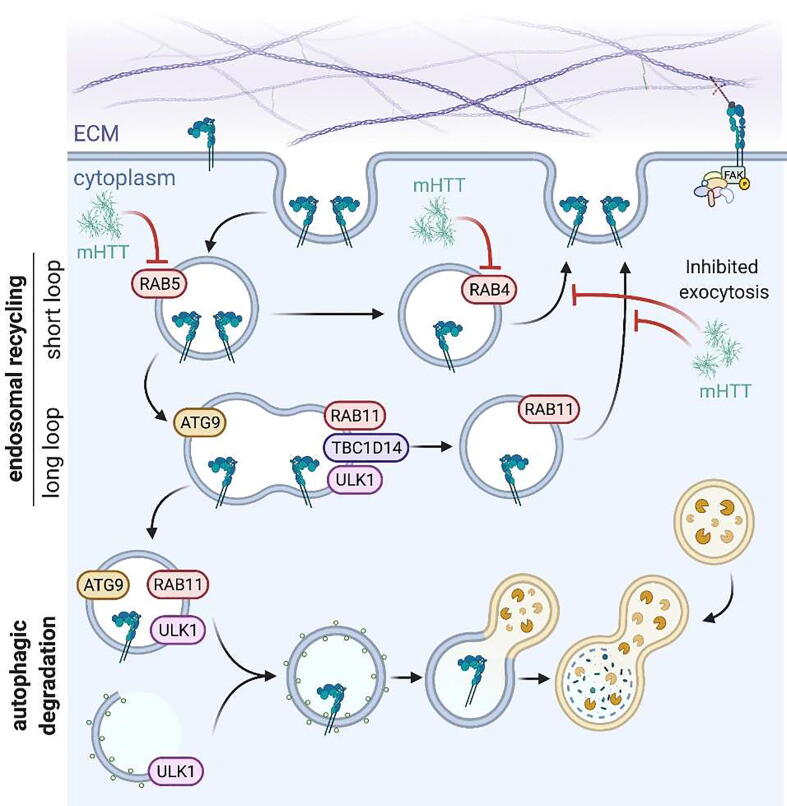
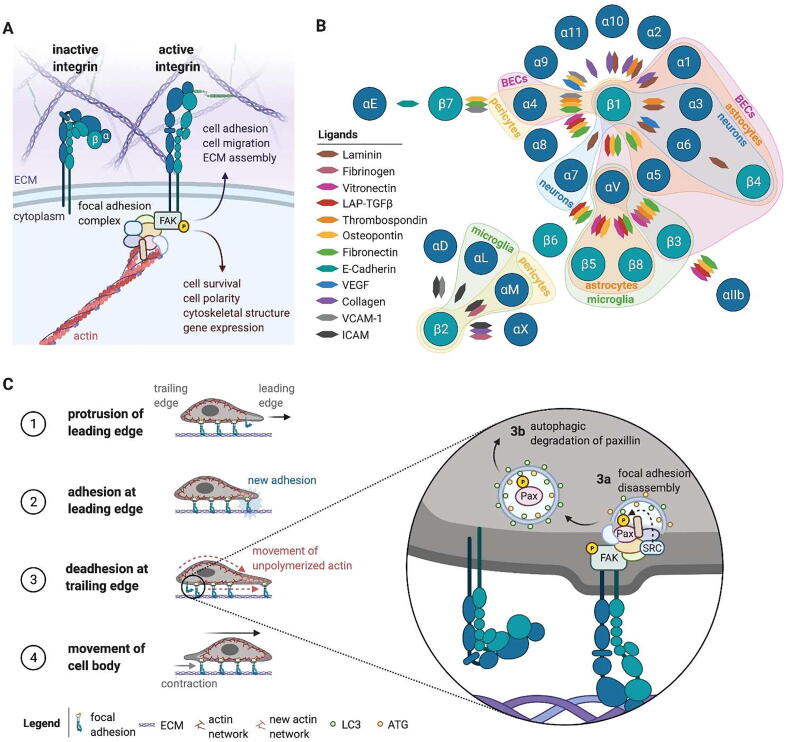
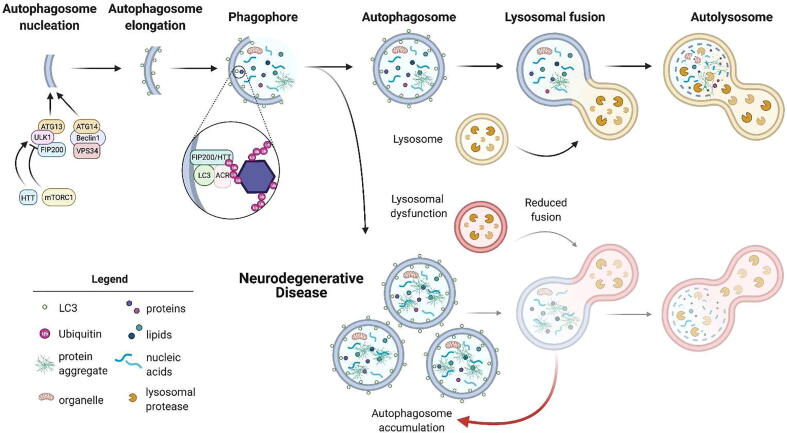
Cellular adhesive connections directed by the extracellular matrix (ECM) and maintenance of cellular homeostasis by autophagy are seemingly disparate functions that are molecularly intertwined, each regulating the other. This is an emerging field in the brain where the interplay between adhesion and autophagy functions at the intersection of neuroprotection and neurodegeneration. The ECM and adhesion proteins regulate autophagic responses to direct protein clearance and guide regenerative programs that go awry in brain disorders. Concomitantly, autophagic flux acts to regulate adhesion dynamics to mediate neurite outgrowth and synaptic plasticity with functional disruption contributed by neurodegenerative disease. This review highlights the cooperative exchange between cellular adhesion and autophagy in the brain during health and disease. As the mechanistic alliance between adhesion and autophagy has been leveraged therapeutically for metastatic disease, understanding overlapping molecular functions that direct the interplay between adhesion and autophagy might uncover therapeutic strategies to correct or compensate for neurodegeneration.
Abstract Image

Abstract Image

Abstract Image

查看原文
分享 分享
微信好友 朋友圈 QQ好友 复制链接
本刊更多论文
大脑中细胞粘附和自噬的合作:在发育和神经退行性疾病中的功能作用。
细胞外基质(ECM)引导的细胞粘附连接和自噬维持细胞稳态似乎是不同的功能,它们在分子上相互交织,相互调节。这是大脑中一个新兴的领域,粘附和自噬之间的相互作用在神经保护和神经退行性变的交叉点发挥作用。ECM和粘附蛋白调节自噬反应以直接清除蛋白质,并指导大脑疾病中出现问题的再生程序。同时,自噬流量调节粘附动力学,介导神经突生长和突触可塑性,并伴有神经退行性疾病引起的功能破坏。这篇综述强调了在健康和疾病期间,大脑中细胞粘附和自噬之间的合作交换。由于粘附和自噬之间的机制联盟已被用于治疗转移性疾病,了解指导粘附和自吞噬之间相互作用的重叠分子功能可能会揭示纠正或补偿神经退行性变的治疗策略。
本文章由计算机程序翻译,如有差异,请以英文原文为准。
求助全文
约1分钟内获得全文 去求助
来源期刊
Matrix Biology Plus
Matrix Biology Plus Medicine-Histology
CiteScore
9.00
自引率
0.00%
发文量
25
审稿时长
105 days
期刊最新文献
Revealing sex-specific changes across protein structure in the aging bone extracellular matrix P-LM421E8, the heparan sulfate chain-conjugated laminin-421-E8 fragment, drives differentiation of human induced pluripotent stem cells into hematopoietic progenitor cells comparable to basic fibroblast growth factor in a chemically defined system Generation of a conditional Adamts6 mouse allele reveals roles in lung maturation in addition to cardiac and musculoskeletal development Corrigendum to “Presence of type IIB procollagen in mouse articular cartilage and growth plate is revealed by immuno-histochemical analysis with a novel specific antibody” [Matrix Biol. Plus 18 (2023) 100130] Convergence research in matrix biology and biomaterials science
×
引用
GB/T 7714-2015
复制
MLA
复制
APA
复制
导出至
BibTeX EndNote RefMan NoteFirst NoteExpress
×
×
提示
您的信息不完整,为了账户安全,请先补充。
现在去补充
×
提示
您因"违规操作"
具体请查看互助需知
我知道了
×
提示
现在去查看 取消
×
提示
确定
0
微信
客服QQ
Book学术公众号 扫码关注我们
反馈
×
意见反馈
请填写您的意见或建议
请填写您的手机或邮箱
已复制链接
已复制链接
快去分享给好友吧!
我知道了
×
扫码分享
扫码分享
Book学术官方微信
Book学术文献互助
Book学术文献互助群
群 号:604180095
Book学术
文献互助 智能选刊 最新文献 互助须知 联系我们:info@booksci.cn
Book学术提供免费学术资源搜索服务,方便国内外学者检索中英文文献。致力于提供最便捷和优质的服务体验。
Copyright © 2023 Book学术 All rights reserved.
ghs 京公网安备 11010802042870号 京ICP备2023020795号-1