Hao Zhou, Michelle Møhlenberg, Jigarji C Thakor, Hardeep Singh Tuli, Pengfei Wang, Yehuda G Assaraf, Kuldeep Dhama, Shibo Jiang
{"title":"Sensitivity to Vaccines, Therapeutic Antibodies, and Viral Entry Inhibitors and Advances To Counter the SARS-CoV-2 Omicron Variant.","authors":"Hao Zhou, Michelle Møhlenberg, Jigarji C Thakor, Hardeep Singh Tuli, Pengfei Wang, Yehuda G Assaraf, Kuldeep Dhama, Shibo Jiang","doi":"10.1128/cmr.00014-22","DOIUrl":null,"url":null,"abstract":"<p><p>Severe acute respiratory syndrome coronavirus 2 (SARS-CoV-2) keeps evolving and mutating into newer variants over time, which gain higher transmissibility, disease severity, and spread in communities at a faster rate, resulting in multiple waves of surge in Coronavirus Disease 2019 (COVID-19) cases. A highly mutated and transmissible SARS-CoV-2 Omicron variant has recently emerged, driving the extremely high peak of infections in almost all continents at an unprecedented speed and scale. The Omicron variant evades the protection rendered by vaccine-induced antibodies and natural infection, as well as overpowers the antibody-based immunotherapies, raising the concerns of current effectiveness of available vaccines and monoclonal antibody-based therapies. This review outlines the most recent advancements in studying the virology and biology of the Omicron variant, highlighting its increased resistance to current antibody-based therapeutics and its immune escape against vaccines. However, the Omicron variant is highly sensitive to viral fusion inhibitors targeting the HR1 motif in the spike protein, enzyme inhibitors, involving the endosomal fusion pathway, and ACE2-based entry inhibitors. Omicron variant-associated infectivity and entry mechanisms of Omicron variant are essentially distinct from previous characterized variants. Innate sensing and immune evasion of SARS-CoV-2 and T cell immunity to the virus provide new perspectives of vaccine and drug development. These findings are important for understanding SARS-CoV-2 viral biology and advances in developing vaccines, antibody-based therapies, and more effective strategies to mitigate the transmission of the Omicron variant or the next SARS-CoV-2 variant of concern.</p>","PeriodicalId":19,"journal":{"name":"ACS Materials Letters","volume":" ","pages":"e0001422"},"PeriodicalIF":8.7000,"publicationDate":"2022-09-21","publicationTypes":"Journal Article","fieldsOfStudy":null,"isOpenAccess":false,"openAccessPdf":"https://www.ncbi.nlm.nih.gov/pmc/articles/PMC9491202/pdf/","citationCount":"0","resultStr":null,"platform":"Semanticscholar","paperid":null,"PeriodicalName":"ACS Materials Letters","FirstCategoryId":"3","ListUrlMain":"https://doi.org/10.1128/cmr.00014-22","RegionNum":1,"RegionCategory":"化学","ArticlePicture":[],"TitleCN":null,"AbstractTextCN":null,"PMCID":null,"EPubDate":"2022/6/6 0:00:00","PubModel":"Epub","JCR":"Q1","JCRName":"MATERIALS SCIENCE, MULTIDISCIPLINARY","Score":null,"Total":0}
引用次数: 0
Abstract
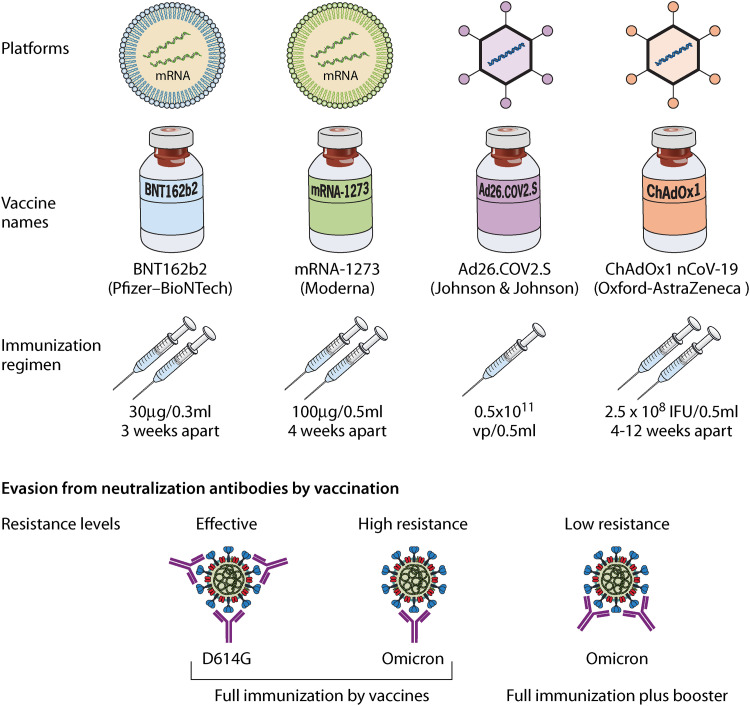
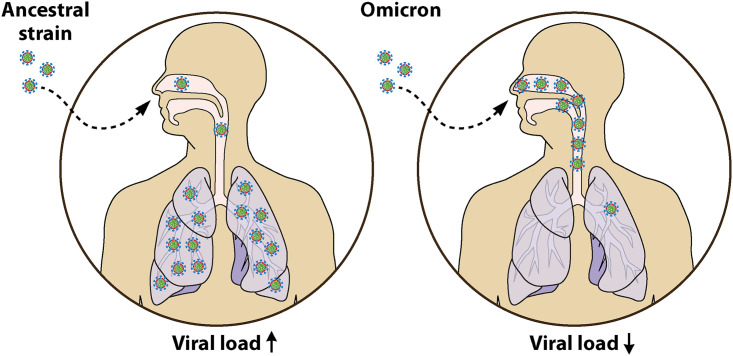
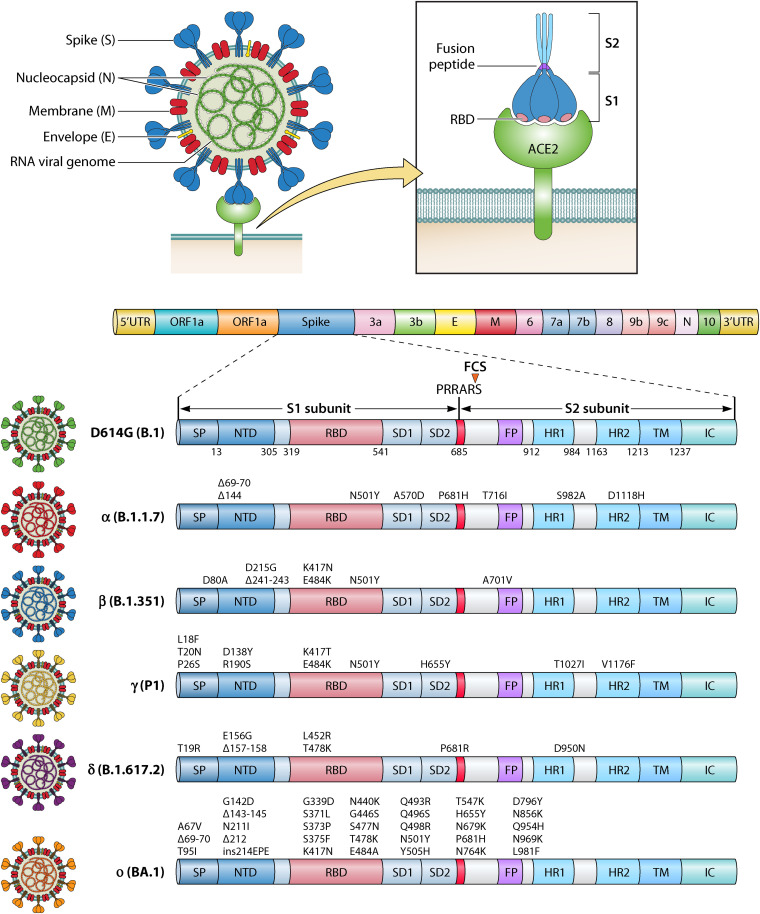
Severe acute respiratory syndrome coronavirus 2 (SARS-CoV-2) keeps evolving and mutating into newer variants over time, which gain higher transmissibility, disease severity, and spread in communities at a faster rate, resulting in multiple waves of surge in Coronavirus Disease 2019 (COVID-19) cases. A highly mutated and transmissible SARS-CoV-2 Omicron variant has recently emerged, driving the extremely high peak of infections in almost all continents at an unprecedented speed and scale. The Omicron variant evades the protection rendered by vaccine-induced antibodies and natural infection, as well as overpowers the antibody-based immunotherapies, raising the concerns of current effectiveness of available vaccines and monoclonal antibody-based therapies. This review outlines the most recent advancements in studying the virology and biology of the Omicron variant, highlighting its increased resistance to current antibody-based therapeutics and its immune escape against vaccines. However, the Omicron variant is highly sensitive to viral fusion inhibitors targeting the HR1 motif in the spike protein, enzyme inhibitors, involving the endosomal fusion pathway, and ACE2-based entry inhibitors. Omicron variant-associated infectivity and entry mechanisms of Omicron variant are essentially distinct from previous characterized variants. Innate sensing and immune evasion of SARS-CoV-2 and T cell immunity to the virus provide new perspectives of vaccine and drug development. These findings are important for understanding SARS-CoV-2 viral biology and advances in developing vaccines, antibody-based therapies, and more effective strategies to mitigate the transmission of the Omicron variant or the next SARS-CoV-2 variant of concern.
期刊介绍:
ACS Materials Letters is a journal that publishes high-quality and urgent papers at the forefront of fundamental and applied research in the field of materials science. It aims to bridge the gap between materials and other disciplines such as chemistry, engineering, and biology. The journal encourages multidisciplinary and innovative research that addresses global challenges. Papers submitted to ACS Materials Letters should clearly demonstrate the need for rapid disclosure of key results. The journal is interested in various areas including the design, synthesis, characterization, and evaluation of emerging materials, understanding the relationships between structure, property, and performance, as well as developing materials for applications in energy, environment, biomedical, electronics, and catalysis. The journal has a 2-year impact factor of 11.4 and is dedicated to publishing transformative materials research with fast processing times. The editors and staff of ACS Materials Letters actively participate in major scientific conferences and engage closely with readers and authors. The journal also maintains an active presence on social media to provide authors with greater visibility.



 京公网安备 11010802042870号
京ICP备2023020795号-1
京公网安备 11010802042870号
京ICP备2023020795号-1

 分享
分享
 求助内容:
求助内容: 应助结果提醒方式:
 扫码关注我们
