{"title":"Toxin-linked mobile genetic elements in major enteric bacterial pathogens.","authors":"Shruti Panwar, Shashi Kumari, Jyoti Verma, Susmita Bakshi, Lekshmi Narendrakumar, Deepjyoti Paul, Bhabatosh Das","doi":"10.1017/gmb.2023.2","DOIUrl":null,"url":null,"abstract":"<p><p>One of the fascinating outcomes of human microbiome studies adopting multi-omics technology is its ability to decipher millions of microbial encoded functions in the most complex and crowded microbial ecosystem, including the human gastrointestinal (GI) tract without cultivating the microbes. It is well established that several functions that modulate the human metabolism, nutrient assimilation, immunity, infections, disease severity and therapeutic efficacy of drugs are mostly of microbial origins. In addition, these microbial functions are dynamic and can disseminate between microbial taxa residing in the same ecosystem or other microbial ecosystems through horizontal gene transfer. For clinicians and researchers alike, understanding the toxins, virulence factors and drug resistance traits encoded by the microbes associated with the human body is of utmost importance. Nevertheless, when such traits are genetically linked with mobile genetic elements (MGEs) that make them transmissible, it creates an additional burden to public health. This review mainly focuses on the functions of gut commensals and the dynamics and crosstalk between commensal and pathogenic bacteria in the gut. Also, the review summarises the plethora of MGEs linked with virulence genes present in the genomes of various enteric bacterial pathogens, which are transmissible among other pathogens and commensals.</p>","PeriodicalId":21078,"journal":{"name":"pure and applied geophysics","volume":"160 7","pages":"e5"},"PeriodicalIF":1.9000,"publicationDate":"2023-03-17","publicationTypes":"Journal Article","fieldsOfStudy":null,"isOpenAccess":false,"openAccessPdf":"https://www.ncbi.nlm.nih.gov/pmc/articles/PMC11406385/pdf/","citationCount":"0","resultStr":null,"platform":"Semanticscholar","paperid":null,"PeriodicalName":"pure and applied geophysics","FirstCategoryId":"1085","ListUrlMain":"https://doi.org/10.1017/gmb.2023.2","RegionNum":4,"RegionCategory":"地球科学","ArticlePicture":[],"TitleCN":null,"AbstractTextCN":null,"PMCID":null,"EPubDate":"2023/1/1 0:00:00","PubModel":"eCollection","JCR":"Q2","JCRName":"GEOCHEMISTRY & GEOPHYSICS","Score":null,"Total":0}
引用次数: 0
Abstract
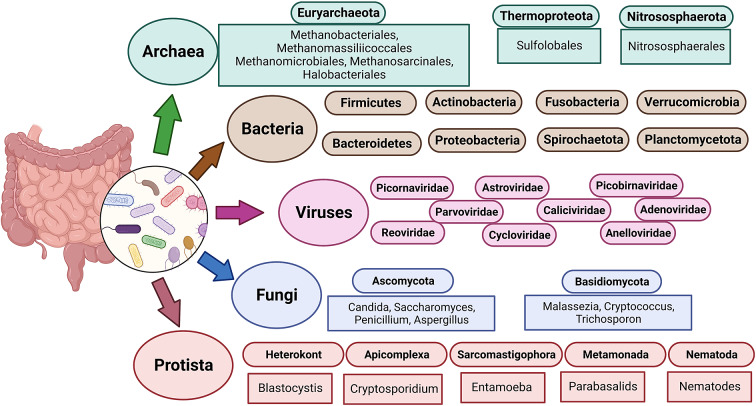
One of the fascinating outcomes of human microbiome studies adopting multi-omics technology is its ability to decipher millions of microbial encoded functions in the most complex and crowded microbial ecosystem, including the human gastrointestinal (GI) tract without cultivating the microbes. It is well established that several functions that modulate the human metabolism, nutrient assimilation, immunity, infections, disease severity and therapeutic efficacy of drugs are mostly of microbial origins. In addition, these microbial functions are dynamic and can disseminate between microbial taxa residing in the same ecosystem or other microbial ecosystems through horizontal gene transfer. For clinicians and researchers alike, understanding the toxins, virulence factors and drug resistance traits encoded by the microbes associated with the human body is of utmost importance. Nevertheless, when such traits are genetically linked with mobile genetic elements (MGEs) that make them transmissible, it creates an additional burden to public health. This review mainly focuses on the functions of gut commensals and the dynamics and crosstalk between commensal and pathogenic bacteria in the gut. Also, the review summarises the plethora of MGEs linked with virulence genes present in the genomes of various enteric bacterial pathogens, which are transmissible among other pathogens and commensals.
期刊介绍:
pure and applied geophysics (pageoph), a continuation of the journal "Geofisica pura e applicata", publishes original scientific contributions in the fields of solid Earth, atmospheric and oceanic sciences. Regular and special issues feature thought-provoking reports on active areas of current research and state-of-the-art surveys.
Long running journal, founded in 1939 as Geofisica pura e applicata
Publishes peer-reviewed original scientific contributions and state-of-the-art surveys in solid earth and atmospheric sciences
Features thought-provoking reports on active areas of current research and is a major source for publications on tsunami research
Coverage extends to research topics in oceanic sciences
See Instructions for Authors on the right hand side.





 京公网安备 11010802042870号
京ICP备2023020795号-1
京公网安备 11010802042870号
京ICP备2023020795号-1

 分享
分享
 求助内容:
求助内容: 应助结果提醒方式:
 扫码关注我们
