Déborah Lousan do Nascimento Poubel, Ana Elisa Ghanem Zanon, Júlio César Franco Almeida, Liliana Vicente Melo de Lucas Rezende, Fernanda Cristina Pimentel Garcia
{"title":"Composite Resin Preheating Techniques for Cementation of Indirect Restorations.","authors":"Déborah Lousan do Nascimento Poubel, Ana Elisa Ghanem Zanon, Júlio César Franco Almeida, Liliana Vicente Melo de Lucas Rezende, Fernanda Cristina Pimentel Garcia","doi":"10.1155/2022/5935668","DOIUrl":null,"url":null,"abstract":"<p><strong>Purpose: </strong>Resin-based materials have been preheated by using different techniques and commercial devices. However, a consensus on the clinical protocol for cementing with preheated composite resins is lacking. The aim of this scoping review was to identify the different methods used for heating composite resins as used for cementing indirect adhesive restorations and to determine the benefits and limitations. <i>Study Selection</i>. A search was performed on PubMed/MEDLINE, Embase, Cochrane, Web of Science, Scopus, LIVIVO, and the nonpeer-reviewed literature database. Studies on preheating composite resins for cementing indirect restorations were included, with no restrictions on the type of study, year of publication, or language. The following data were extracted: preheating technique, the device used for preheating, preset temperature, and warming time.</p><p><strong>Results: </strong>In total, 304 studies were identified. After removing duplicates, 270 articles were selected, and 14 articles were included in the final evaluation. Half of the included studies reported similar preheating techniques using the Calset device for composite resins. The temperatures of 54°C and 68°C were most frequently reported, with a mean warming time of 5 minutes.</p><p><strong>Conclusions: </strong>Preheating composite resins for the cementation of indirect restorations reduces viscosity, but the material must be used promptly after removal from the device. <i>Practical Implications</i>. Different methodologies for preheating composite resins have been reported and used in clinical dental practice. To achieve good results and guide the clinician on use, the techniques for heating composite resins for cementation need to be standardized. Keeping the material warm until the restorative procedure, the thickness of the indirect restoration, and the composition of the composite resins can directly affect the outcome of the procedure.</p>","PeriodicalId":3,"journal":{"name":"ACS Applied Electronic Materials","volume":" ","pages":"5935668"},"PeriodicalIF":4.7000,"publicationDate":"2022-03-23","publicationTypes":"Journal Article","fieldsOfStudy":null,"isOpenAccess":false,"openAccessPdf":"https://www.ncbi.nlm.nih.gov/pmc/articles/PMC8967568/pdf/","citationCount":"0","resultStr":null,"platform":"Semanticscholar","paperid":null,"PeriodicalName":"ACS Applied Electronic Materials","FirstCategoryId":"1085","ListUrlMain":"https://doi.org/10.1155/2022/5935668","RegionNum":3,"RegionCategory":"材料科学","ArticlePicture":[],"TitleCN":null,"AbstractTextCN":null,"PMCID":null,"EPubDate":"2022/1/1 0:00:00","PubModel":"eCollection","JCR":"Q1","JCRName":"ENGINEERING, ELECTRICAL & ELECTRONIC","Score":null,"Total":0}
引用次数: 0
Abstract
Purpose: Resin-based materials have been preheated by using different techniques and commercial devices. However, a consensus on the clinical protocol for cementing with preheated composite resins is lacking. The aim of this scoping review was to identify the different methods used for heating composite resins as used for cementing indirect adhesive restorations and to determine the benefits and limitations. Study Selection. A search was performed on PubMed/MEDLINE, Embase, Cochrane, Web of Science, Scopus, LIVIVO, and the nonpeer-reviewed literature database. Studies on preheating composite resins for cementing indirect restorations were included, with no restrictions on the type of study, year of publication, or language. The following data were extracted: preheating technique, the device used for preheating, preset temperature, and warming time.
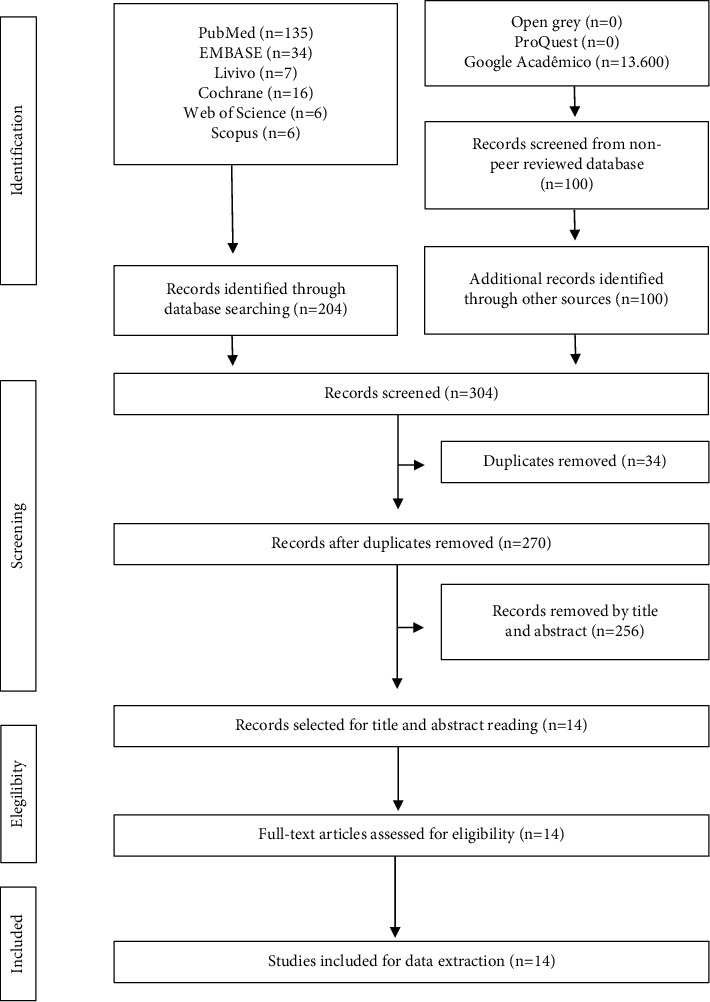
Results: In total, 304 studies were identified. After removing duplicates, 270 articles were selected, and 14 articles were included in the final evaluation. Half of the included studies reported similar preheating techniques using the Calset device for composite resins. The temperatures of 54°C and 68°C were most frequently reported, with a mean warming time of 5 minutes.
Conclusions: Preheating composite resins for the cementation of indirect restorations reduces viscosity, but the material must be used promptly after removal from the device. Practical Implications. Different methodologies for preheating composite resins have been reported and used in clinical dental practice. To achieve good results and guide the clinician on use, the techniques for heating composite resins for cementation need to be standardized. Keeping the material warm until the restorative procedure, the thickness of the indirect restoration, and the composition of the composite resins can directly affect the outcome of the procedure.
用途树脂基材料已通过使用不同的技术和商业设备进行预热。然而,对预热复合树脂胶结的临床方案缺乏共识。本范围审查的目的是确定用于加热复合树脂的不同方法和用于粘合间接粘合修复体的不同方法,并确定其益处和局限性。研究选择。检索PubMed/MEDLINE、Embase、Cochrane、Web of Science、Scopus、LIVIVO和非专利文献数据库。包括用于间接修复体胶结的预热复合树脂的研究,对研究类型、出版年份或语言没有限制。提取了以下数据:预热技术、用于预热的设备、预设温度和加热时间。结果总共确定了304项研究。在去除重复后,选择了270篇文章,14篇文章被纳入最终评估。一半的纳入研究报告了使用Calset装置对复合树脂进行类似预热的技术。最常报告的温度为54°C和68°C,平均升温时间为5分钟。结论预热复合树脂用于间接修复体的胶结可以降低粘度,但从装置中取出后必须立即使用该材料。实际意义。已经报道了预热复合树脂的不同方法,并在临床牙科实践中使用。为了达到良好的效果并指导临床医生使用,需要对加热复合树脂进行胶结的技术进行标准化。在修复过程之前保持材料温暖、间接修复的厚度和复合树脂的成分会直接影响修复过程的结果。
期刊介绍:
ACS Applied Electronic Materials is an interdisciplinary journal publishing original research covering all aspects of electronic materials. The journal is devoted to reports of new and original experimental and theoretical research of an applied nature that integrate knowledge in the areas of materials science, engineering, optics, physics, and chemistry into important applications of electronic materials. Sample research topics that span the journal's scope are inorganic, organic, ionic and polymeric materials with properties that include conducting, semiconducting, superconducting, insulating, dielectric, magnetic, optoelectronic, piezoelectric, ferroelectric and thermoelectric.
Indexed/Abstracted:
Web of Science SCIE
Scopus
CAS
INSPEC
Portico




 京公网安备 11010802042870号
京ICP备2023020795号-1
京公网安备 11010802042870号
京ICP备2023020795号-1

 分享
分享
 求助内容:
求助内容: 应助结果提醒方式:
 扫码关注我们
