M. S. Sobolevskyi, O. O. Soldatkin, A. M. Lopatynskyi, V. I. Chegel, A. V. Samoylov, M. J. Matsishin, S. V. Dzyadevych, A. P. Soldatkin
{"title":"Application of modified gold nanoparticles to improve characteristics of DNA hybridization biosensor based on surface plasmon resonance spectrometry","authors":"M. S. Sobolevskyi, O. O. Soldatkin, A. M. Lopatynskyi, V. I. Chegel, A. V. Samoylov, M. J. Matsishin, S. V. Dzyadevych, A. P. Soldatkin","doi":"10.1007/s13204-023-02930-2","DOIUrl":null,"url":null,"abstract":"<div><p>The focus of this study is the application of modified gold nanoparticles (AuNPs) for improvement of the analytical characteristics of DNA hybridization biosensors based on surface plasmon resonance (SPR) spectrometry. It was shown that the use of citrate-capped AuNPs in a biosensor assay leads to uncontrolled aggregation of AuNPs on the gold sensor surface, which is reflected in a significant increase in the SPR sensor response. This nonspecific sensor response significantly worsens the selectivity and specificity of detection of such a SPR biosensor. Therefore, in this study, 6-mercapto-1-hexanol and lipoic acid were used to modify the surface of AuNPs in order to improve their colloidal stability under chemical conditions facilitating DNA hybridization. The optimal concentration of these stabilizing molecules in order to minimize their aggregation on the gold plate of the SPR biosensor was determined. DNA biosensors functioning with the use of modified AuNPs were characterized by better sensitivity than that of a traditional DNA biosensor. As a result of this study, an optimal method of functionalizing AuNPs with oligonucleotides and stabilizing ligands was proposed for their further use to improve the analytical characteristics of DNA hybridization biosensors.</p></div>","PeriodicalId":471,"journal":{"name":"Applied Nanoscience","volume":"13 12","pages":"7521 - 7529"},"PeriodicalIF":3.6740,"publicationDate":"2023-08-11","publicationTypes":"Journal Article","fieldsOfStudy":null,"isOpenAccess":false,"openAccessPdf":"","citationCount":"0","resultStr":null,"platform":"Semanticscholar","paperid":null,"PeriodicalName":"Applied Nanoscience","FirstCategoryId":"5","ListUrlMain":"https://link.springer.com/article/10.1007/s13204-023-02930-2","RegionNum":4,"RegionCategory":"工程技术","ArticlePicture":[],"TitleCN":null,"AbstractTextCN":null,"PMCID":null,"EPubDate":"","PubModel":"","JCR":"Q1","JCRName":"Engineering","Score":null,"Total":0}
引用次数: 0
Abstract
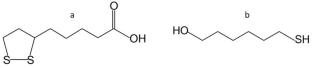
The focus of this study is the application of modified gold nanoparticles (AuNPs) for improvement of the analytical characteristics of DNA hybridization biosensors based on surface plasmon resonance (SPR) spectrometry. It was shown that the use of citrate-capped AuNPs in a biosensor assay leads to uncontrolled aggregation of AuNPs on the gold sensor surface, which is reflected in a significant increase in the SPR sensor response. This nonspecific sensor response significantly worsens the selectivity and specificity of detection of such a SPR biosensor. Therefore, in this study, 6-mercapto-1-hexanol and lipoic acid were used to modify the surface of AuNPs in order to improve their colloidal stability under chemical conditions facilitating DNA hybridization. The optimal concentration of these stabilizing molecules in order to minimize their aggregation on the gold plate of the SPR biosensor was determined. DNA biosensors functioning with the use of modified AuNPs were characterized by better sensitivity than that of a traditional DNA biosensor. As a result of this study, an optimal method of functionalizing AuNPs with oligonucleotides and stabilizing ligands was proposed for their further use to improve the analytical characteristics of DNA hybridization biosensors.
期刊介绍:
Applied Nanoscience is a hybrid journal that publishes original articles about state of the art nanoscience and the application of emerging nanotechnologies to areas fundamental to building technologically advanced and sustainable civilization, including areas as diverse as water science, advanced materials, energy, electronics, environmental science and medicine. The journal accepts original and review articles as well as book reviews for publication. All the manuscripts are single-blind peer-reviewed for scientific quality and acceptance.




 京公网安备 11010802042870号
京ICP备2023020795号-1
京公网安备 11010802042870号
京ICP备2023020795号-1

 分享
分享
 求助内容:
求助内容: 应助结果提醒方式:
 扫码关注我们
