Sofie M Viksten, Elke Hartmann, Karin Schneller, Margareta Steen
{"title":"Welfare of extensively managed Swedish Gotland ponies.","authors":"Sofie M Viksten, Elke Hartmann, Karin Schneller, Margareta Steen","doi":"10.1017/awf.2023.20","DOIUrl":null,"url":null,"abstract":"<p><p>It has been suggested that grazing horses could be used as a credible tool for landscape conservation which would, at the same time, improve horse welfare as opposed to conventional housing. A study was conducted between May 2014 and April 2015 on 12 one year old Gotland ponies managed extensively without supplementary feed. Monthly animal welfare assessments (n = 13) revealed welfare issues in most of the horses, i.e. low body condition score (BCS < 3/5), recurring poor skin condition in 11/12 horses and ocular discharge in 7/12 horses. At the end of the study, compared to the beginning, chafing and poor skin condition increased while coat condition improved. A correlation was found between a negative reaction (score > 0) in the human approach test and BCS < 3 and ocular discharge. Avoidance Distance test values were correlated with faecal parasite counts (> 350 eggs per gram [EPG]). These results indicate that the horses had acceptable welfare during late spring/summer (May-September) and that some horses required additional feed during winter. The animal welfare protocol proved to be an efficient tool for monitoring welfare. The results showed that factors important for extensive management are: daily monitoring; enclosures that provide sufficient feed; access to recovery enclosure; and habituation of horses to human approach.</p>","PeriodicalId":48313,"journal":{"name":"International Studies Quarterly","volume":"12 1","pages":"e21"},"PeriodicalIF":2.5000,"publicationDate":"2023-02-23","publicationTypes":"Journal Article","fieldsOfStudy":null,"isOpenAccess":false,"openAccessPdf":"https://www.ncbi.nlm.nih.gov/pmc/articles/PMC10936338/pdf/","citationCount":"0","resultStr":null,"platform":"Semanticscholar","paperid":null,"PeriodicalName":"International Studies Quarterly","FirstCategoryId":"97","ListUrlMain":"https://doi.org/10.1017/awf.2023.20","RegionNum":1,"RegionCategory":"社会学","ArticlePicture":[],"TitleCN":null,"AbstractTextCN":null,"PMCID":null,"EPubDate":"2023/1/1 0:00:00","PubModel":"eCollection","JCR":"Q1","JCRName":"INTERNATIONAL RELATIONS","Score":null,"Total":0}
引用次数: 0
Abstract
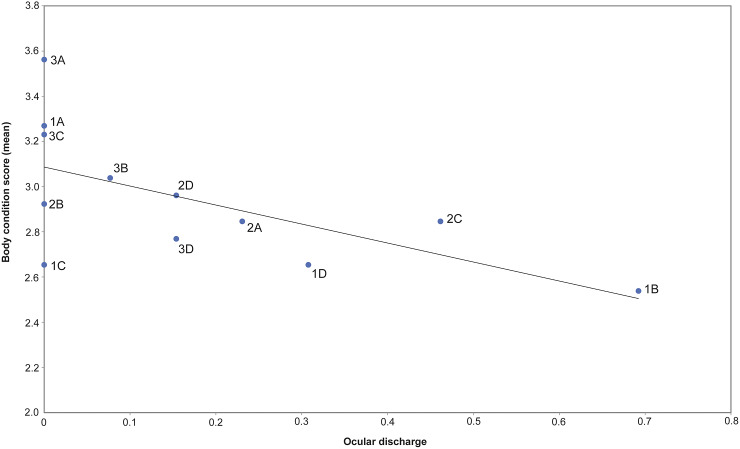
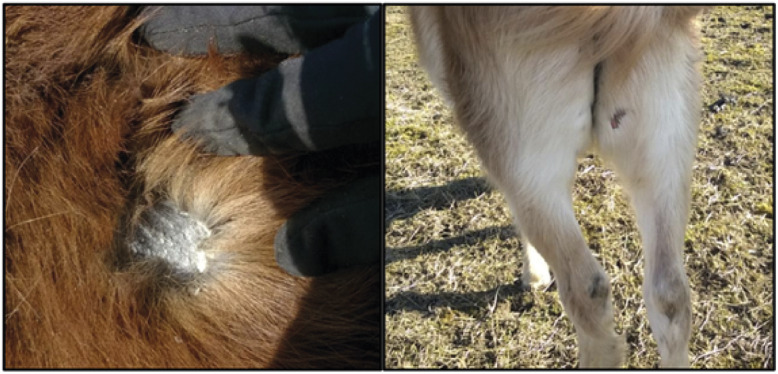
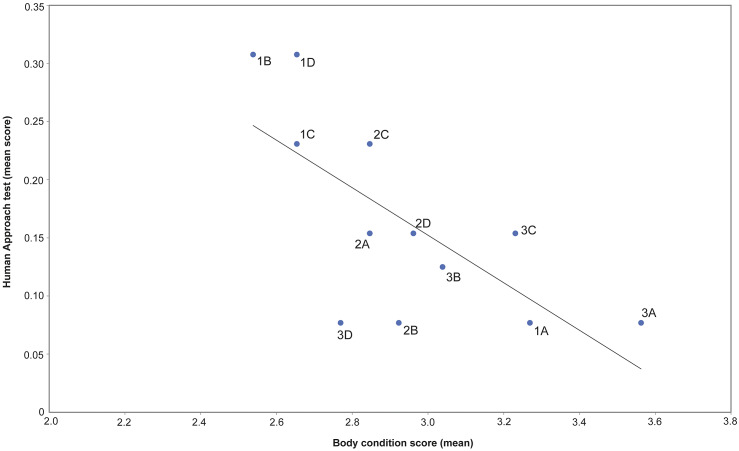
It has been suggested that grazing horses could be used as a credible tool for landscape conservation which would, at the same time, improve horse welfare as opposed to conventional housing. A study was conducted between May 2014 and April 2015 on 12 one year old Gotland ponies managed extensively without supplementary feed. Monthly animal welfare assessments (n = 13) revealed welfare issues in most of the horses, i.e. low body condition score (BCS < 3/5), recurring poor skin condition in 11/12 horses and ocular discharge in 7/12 horses. At the end of the study, compared to the beginning, chafing and poor skin condition increased while coat condition improved. A correlation was found between a negative reaction (score > 0) in the human approach test and BCS < 3 and ocular discharge. Avoidance Distance test values were correlated with faecal parasite counts (> 350 eggs per gram [EPG]). These results indicate that the horses had acceptable welfare during late spring/summer (May-September) and that some horses required additional feed during winter. The animal welfare protocol proved to be an efficient tool for monitoring welfare. The results showed that factors important for extensive management are: daily monitoring; enclosures that provide sufficient feed; access to recovery enclosure; and habituation of horses to human approach.
期刊介绍:
International Studies Quarterly, the official journal of the International Studies Association, seeks to acquaint a broad audience of readers with the best work being done in the variety of intellectual traditions included under the rubric of international studies. Therefore, the editors welcome all submissions addressing this community"s theoretical, empirical, and normative concerns. First preference will continue to be given to articles that address and contribute to important disciplinary and interdisciplinary questions and controversies.




 京公网安备 11010802042870号
京ICP备2023020795号-1
京公网安备 11010802042870号
京ICP备2023020795号-1

 分享
分享
 求助内容:
求助内容: 应助结果提醒方式:
 扫码关注我们
