{"title":"Coelomocytes of the Oligochaeta earthworm Lumbricus terrestris (Linnaeus, 1758) as evolutionary key of defense: a morphological study.","authors":"Alessio Alesci, Gioele Capillo, Angelo Fumia, Marco Albano, Emmanuele Messina, Nunziacarla Spanò, Simona Pergolizzi, Eugenia Rita Lauriano","doi":"10.1186/s40851-023-00203-y","DOIUrl":null,"url":null,"abstract":"<p><p>Metazoans have several mechanisms of internal defense for their survival. The internal defense system evolved alongside the organisms. Annelidae have circulating coelomocytes that perform functions comparable to the phagocytic immune cells of vertebrates. Several studies have shown that these cells are involved in phagocytosis, opsonization, and pathogen recognition processes. Like vertebrate macrophages, these circulating cells that permeate organs from the coelomic cavity capture or encapsulate pathogens, reactive oxygen species (ROS), and nitric oxide (NO). Furthermore, they produce a range of bioactive proteins involved in immune response and perform detoxification functions through their lysosomal system. Coelomocytes can also participate in lithic reactions against target cells and the release of antimicrobial peptides. Our study immunohistochemically identify coelomocytes of Lumbricus terrestris scattered in the epidermal and the connective layer below, both in the longitudinal and in the smooth muscle layer, immunoreactive for TLR2, CD14 and α-Tubulin for the first time. TLR2 and CD14 are not fully colocalized with each other, suggesting that these coelomocytes may belong to two distinct families. The expression of these immune molecules on Annelidae coelomocytes confirms their crucial role in the internal defense system of these Oligochaeta protostomes, suggesting a phylogenetic conservation of these receptors. These data could provide further insights into the understanding of the internal defense system of the Annelida and of the complex mechanisms of the immune system in vertebrates.</p>","PeriodicalId":54280,"journal":{"name":"Zoological Letters","volume":"9 1","pages":"5"},"PeriodicalIF":1.7000,"publicationDate":"2023-03-04","publicationTypes":"Journal Article","fieldsOfStudy":null,"isOpenAccess":false,"openAccessPdf":"https://www.ncbi.nlm.nih.gov/pmc/articles/PMC9985225/pdf/","citationCount":"4","resultStr":null,"platform":"Semanticscholar","paperid":null,"PeriodicalName":"Zoological Letters","FirstCategoryId":"99","ListUrlMain":"https://doi.org/10.1186/s40851-023-00203-y","RegionNum":3,"RegionCategory":"生物学","ArticlePicture":[],"TitleCN":null,"AbstractTextCN":null,"PMCID":null,"EPubDate":"","PubModel":"","JCR":"Q2","JCRName":"ZOOLOGY","Score":null,"Total":0}
引用次数: 4
Abstract
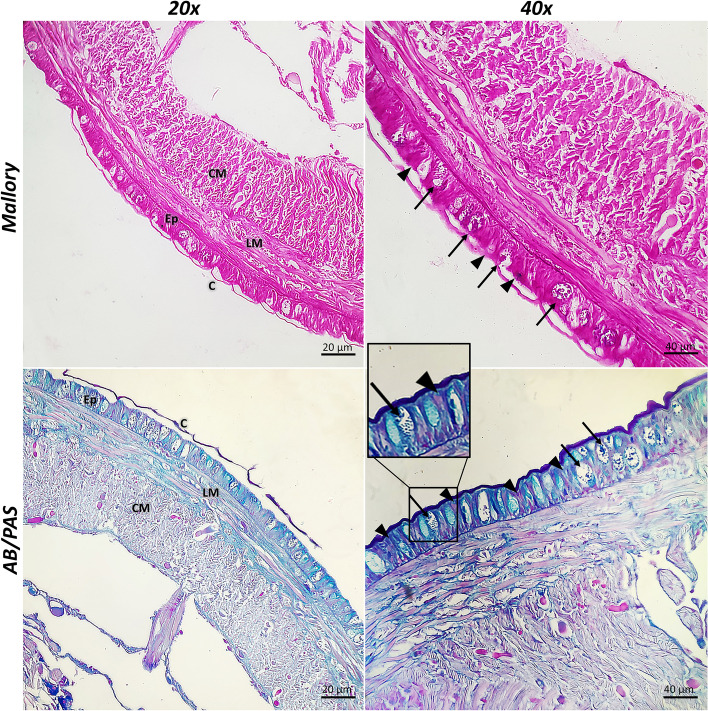
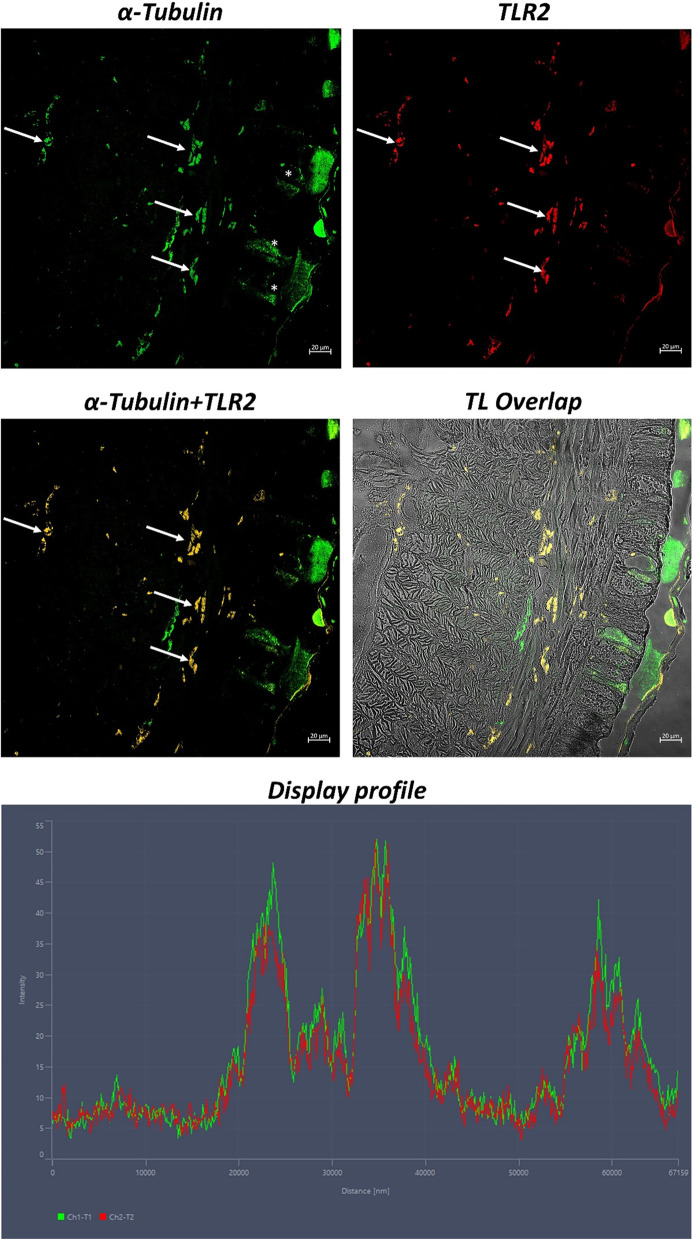
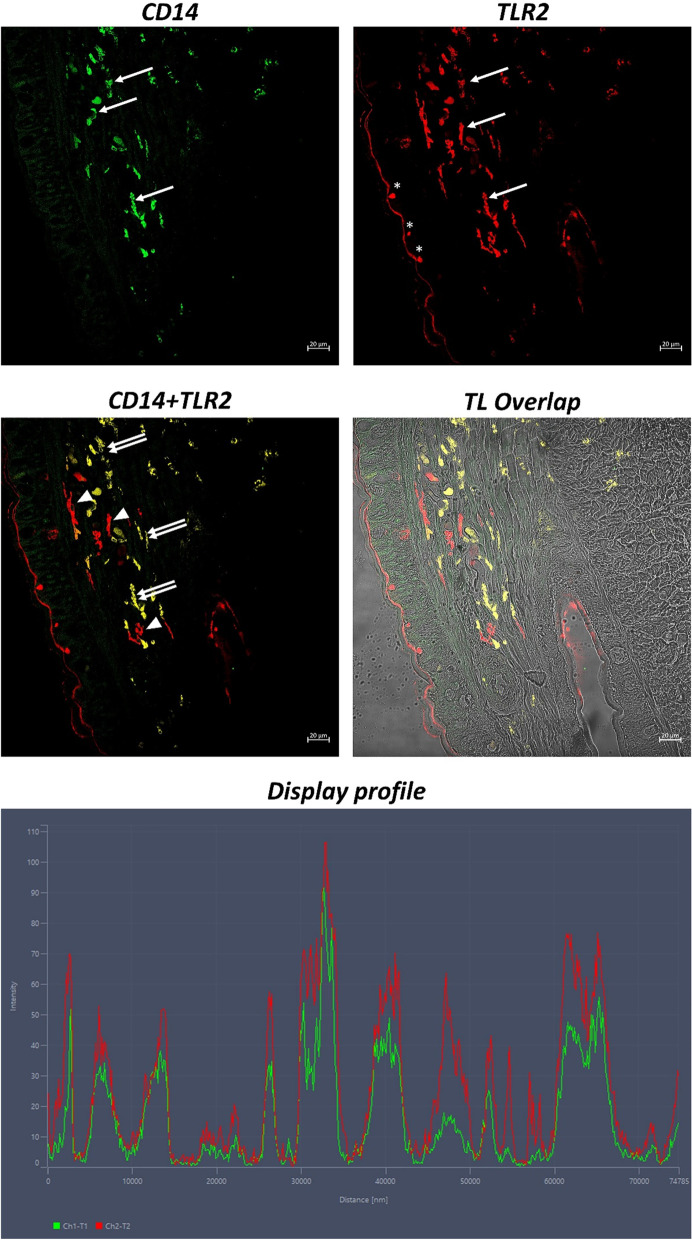
Metazoans have several mechanisms of internal defense for their survival. The internal defense system evolved alongside the organisms. Annelidae have circulating coelomocytes that perform functions comparable to the phagocytic immune cells of vertebrates. Several studies have shown that these cells are involved in phagocytosis, opsonization, and pathogen recognition processes. Like vertebrate macrophages, these circulating cells that permeate organs from the coelomic cavity capture or encapsulate pathogens, reactive oxygen species (ROS), and nitric oxide (NO). Furthermore, they produce a range of bioactive proteins involved in immune response and perform detoxification functions through their lysosomal system. Coelomocytes can also participate in lithic reactions against target cells and the release of antimicrobial peptides. Our study immunohistochemically identify coelomocytes of Lumbricus terrestris scattered in the epidermal and the connective layer below, both in the longitudinal and in the smooth muscle layer, immunoreactive for TLR2, CD14 and α-Tubulin for the first time. TLR2 and CD14 are not fully colocalized with each other, suggesting that these coelomocytes may belong to two distinct families. The expression of these immune molecules on Annelidae coelomocytes confirms their crucial role in the internal defense system of these Oligochaeta protostomes, suggesting a phylogenetic conservation of these receptors. These data could provide further insights into the understanding of the internal defense system of the Annelida and of the complex mechanisms of the immune system in vertebrates.
Zoological LettersAgricultural and Biological Sciences-Animal Science and Zoology
CiteScore
3.60
自引率
0.00%
发文量
12
审稿时长
10 weeks
期刊介绍:
Zoological Letters is an open access journal that publishes new and important findings in the zoological sciences. As a sister journal to Zoological Science, Zoological Letters covers a wide range of basic fields of zoology, from taxonomy to bioinformatics. We also welcome submissions of paleontology reports as part of our effort to contribute to the development of new perspectives in evolutionary zoology. Our goal is to serve as a global publishing forum for fundamental researchers in all fields of zoology.



 京公网安备 11010802042870号
京ICP备2023020795号-1
京公网安备 11010802042870号
京ICP备2023020795号-1

 分享
分享
 求助内容:
求助内容: 应助结果提醒方式:
 扫码关注我们
