Xiaojie Luo, Mengya Guo, Xiangnan Zheng, Shaokui Zheng, Shida Li
{"title":"用于污水处理的高倍率缺氧/微氧系统的杰出脱氮除磷效果。","authors":"Xiaojie Luo, Mengya Guo, Xiangnan Zheng, Shaokui Zheng, Shida Li","doi":"10.1016/j.chemosphere.2024.142377","DOIUrl":null,"url":null,"abstract":"<div><p>This study re-evaluated the role of anoxic and anaerobic zones during the enhanced biological phosphorus (P) removal process by investigating the potential effect of introducing an anoxic zone into a high-rate microaerobic activated sludge (MAS) system (1.60–1.70 kg chemical oxygen demand (COD) m<sup>−3</sup> d<sup>−1</sup>), i.e., a high-rate anoxic/microaerobic (A/M) system for sewage treatment. In the absence of a pre-anaerobic zone, introducing an anoxic zone considerably reduced effluent NO<sub>x</sub><sup>−</sup>-N concentrations (7.2 vs. 1.5 mg L<sup>−1</sup>) and remarkably enhanced total nitrogen (75% vs. 89%) and total P (18% vs. 60%) removal and sludge P content (1.48% vs. 1.77% (dry weight)) due to further anoxic denitrifying P removal in the anoxic zone (besides simultaneous nitrification and denitrification in the microaerobic zone). High-throughput pyrosequencing demonstrated the niche differentiation of different polyphosphate accumulating organism (PAO) clades (including denitrifying PAO [DPAO] and non-DPAO) in both systems. Introducing an anoxic zone considerably reduced the total PAO abundance in sludge samples by 42% and modified the PAO community structure, including 17–19 detected genera. The change was solely confined to non-DPAOs, as no obvious change in total abundance or community structure of DPAOs including 7 detected genera was observed. Additionally, introducing an anoxic zone increased the abundance of ammonia-oxidizing bacteria by 39%. The high-rate A/M process provided less aeration, higher treatment capacity, a lower COD requirement, and a 75% decrease in the production of waste sludge than the conventional biological nutrient removal process.</p></div>","PeriodicalId":276,"journal":{"name":"Chemosphere","volume":"359 ","pages":"Article 142377"},"PeriodicalIF":8.1000,"publicationDate":"2024-07-01","publicationTypes":"Journal Article","fieldsOfStudy":null,"isOpenAccess":false,"openAccessPdf":"","citationCount":"0","resultStr":"{\"title\":\"Distinguished denitrifying phosphorus removal in the high-rate anoxic/microaerobic system for sewage treatment\",\"authors\":\"Xiaojie Luo, Mengya Guo, Xiangnan Zheng, Shaokui Zheng, Shida Li\",\"doi\":\"10.1016/j.chemosphere.2024.142377\",\"DOIUrl\":null,\"url\":null,\"abstract\":\"<div><p>This study re-evaluated the role of anoxic and anaerobic zones during the enhanced biological phosphorus (P) removal process by investigating the potential effect of introducing an anoxic zone into a high-rate microaerobic activated sludge (MAS) system (1.60–1.70 kg chemical oxygen demand (COD) m<sup>−3</sup> d<sup>−1</sup>), i.e., a high-rate anoxic/microaerobic (A/M) system for sewage treatment. In the absence of a pre-anaerobic zone, introducing an anoxic zone considerably reduced effluent NO<sub>x</sub><sup>−</sup>-N concentrations (7.2 vs. 1.5 mg L<sup>−1</sup>) and remarkably enhanced total nitrogen (75% vs. 89%) and total P (18% vs. 60%) removal and sludge P content (1.48% vs. 1.77% (dry weight)) due to further anoxic denitrifying P removal in the anoxic zone (besides simultaneous nitrification and denitrification in the microaerobic zone). High-throughput pyrosequencing demonstrated the niche differentiation of different polyphosphate accumulating organism (PAO) clades (including denitrifying PAO [DPAO] and non-DPAO) in both systems. Introducing an anoxic zone considerably reduced the total PAO abundance in sludge samples by 42% and modified the PAO community structure, including 17–19 detected genera. The change was solely confined to non-DPAOs, as no obvious change in total abundance or community structure of DPAOs including 7 detected genera was observed. Additionally, introducing an anoxic zone increased the abundance of ammonia-oxidizing bacteria by 39%. The high-rate A/M process provided less aeration, higher treatment capacity, a lower COD requirement, and a 75% decrease in the production of waste sludge than the conventional biological nutrient removal process.</p></div>\",\"PeriodicalId\":276,\"journal\":{\"name\":\"Chemosphere\",\"volume\":\"359 \",\"pages\":\"Article 142377\"},\"PeriodicalIF\":8.1000,\"publicationDate\":\"2024-07-01\",\"publicationTypes\":\"Journal Article\",\"fieldsOfStudy\":null,\"isOpenAccess\":false,\"openAccessPdf\":\"\",\"citationCount\":\"0\",\"resultStr\":null,\"platform\":\"Semanticscholar\",\"paperid\":null,\"PeriodicalName\":\"Chemosphere\",\"FirstCategoryId\":\"93\",\"ListUrlMain\":\"https://www.sciencedirect.com/science/article/pii/S0045653524012700\",\"RegionNum\":2,\"RegionCategory\":\"环境科学与生态学\",\"ArticlePicture\":[],\"TitleCN\":null,\"AbstractTextCN\":null,\"PMCID\":null,\"EPubDate\":\"2024/5/18 0:00:00\",\"PubModel\":\"Epub\",\"JCR\":\"Q1\",\"JCRName\":\"ENVIRONMENTAL SCIENCES\",\"Score\":null,\"Total\":0}","platform":"Semanticscholar","paperid":null,"PeriodicalName":"Chemosphere","FirstCategoryId":"93","ListUrlMain":"https://www.sciencedirect.com/science/article/pii/S0045653524012700","RegionNum":2,"RegionCategory":"环境科学与生态学","ArticlePicture":[],"TitleCN":null,"AbstractTextCN":null,"PMCID":null,"EPubDate":"2024/5/18 0:00:00","PubModel":"Epub","JCR":"Q1","JCRName":"ENVIRONMENTAL SCIENCES","Score":null,"Total":0}
Distinguished denitrifying phosphorus removal in the high-rate anoxic/microaerobic system for sewage treatment
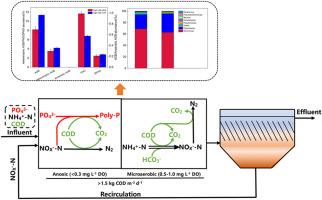
This study re-evaluated the role of anoxic and anaerobic zones during the enhanced biological phosphorus (P) removal process by investigating the potential effect of introducing an anoxic zone into a high-rate microaerobic activated sludge (MAS) system (1.60–1.70 kg chemical oxygen demand (COD) m−3 d−1), i.e., a high-rate anoxic/microaerobic (A/M) system for sewage treatment. In the absence of a pre-anaerobic zone, introducing an anoxic zone considerably reduced effluent NOx−-N concentrations (7.2 vs. 1.5 mg L−1) and remarkably enhanced total nitrogen (75% vs. 89%) and total P (18% vs. 60%) removal and sludge P content (1.48% vs. 1.77% (dry weight)) due to further anoxic denitrifying P removal in the anoxic zone (besides simultaneous nitrification and denitrification in the microaerobic zone). High-throughput pyrosequencing demonstrated the niche differentiation of different polyphosphate accumulating organism (PAO) clades (including denitrifying PAO [DPAO] and non-DPAO) in both systems. Introducing an anoxic zone considerably reduced the total PAO abundance in sludge samples by 42% and modified the PAO community structure, including 17–19 detected genera. The change was solely confined to non-DPAOs, as no obvious change in total abundance or community structure of DPAOs including 7 detected genera was observed. Additionally, introducing an anoxic zone increased the abundance of ammonia-oxidizing bacteria by 39%. The high-rate A/M process provided less aeration, higher treatment capacity, a lower COD requirement, and a 75% decrease in the production of waste sludge than the conventional biological nutrient removal process.
期刊介绍:
Chemosphere, being an international multidisciplinary journal, is dedicated to publishing original communications and review articles on chemicals in the environment. The scope covers a wide range of topics, including the identification, quantification, behavior, fate, toxicology, treatment, and remediation of chemicals in the bio-, hydro-, litho-, and atmosphere, ensuring the broad dissemination of research in this field.




 京公网安备 11010802042870号
京ICP备2023020795号-1
京公网安备 11010802042870号
京ICP备2023020795号-1

 分享
分享
 求助内容:
求助内容: 应助结果提醒方式:
 扫码关注我们
