Marisabel Romero, Adam W Craig, Milica Mormann, Anand Kumar
{"title":"10 克蛋白质 \"比 \"10 克蛋白质 \"更好吗?数字与数词如何影响消费者的判断","authors":"Marisabel Romero, Adam W Craig, Milica Mormann, Anand Kumar","doi":"10.1093/jcr/ucae030","DOIUrl":null,"url":null,"abstract":"\n Numerical information can be communicated using different number formats, such as digits (“5”) or number words (“five”). For example, a battery product may claim to last for “5 hours” or “five hours.” And while these two formats are used interchangeably in the marketplace, it is not clear how they influence consumer judgments and behavior. Via six experimental studies, two online ad campaigns, and one large secondary dataset analysis, we find that digits, compared to number words, positively affect consumer behavior. We refer to this phenomenon as the number format effect. We further show that the number format effect occurs because consumers feel that digits (vs. number words) are the right way to present numerical information: digits lead to a sense of feeling right that then affects consumer behavior. Finally, we show that the number format effect is amplified when credibility of the source of information is low, and attenuated when source credibility is high. The current research advances knowledge of how numerical information influences consumer judgments and behavior and carries important implications for marketers and policymakers as they communicate numerical information to consumers.","PeriodicalId":5,"journal":{"name":"ACS Applied Materials & Interfaces","volume":"22 23","pages":""},"PeriodicalIF":8.2000,"publicationDate":"2024-05-23","publicationTypes":"Journal Article","fieldsOfStudy":null,"isOpenAccess":false,"openAccessPdf":"","citationCount":"0","resultStr":"{\"title\":\"Are ‘10-Grams of Protein” Better than ’Ten Grams of Protein”? How Digits versus Number Words Influence Consumer Judgments\",\"authors\":\"Marisabel Romero, Adam W Craig, Milica Mormann, Anand Kumar\",\"doi\":\"10.1093/jcr/ucae030\",\"DOIUrl\":null,\"url\":null,\"abstract\":\"\\n Numerical information can be communicated using different number formats, such as digits (“5”) or number words (“five”). For example, a battery product may claim to last for “5 hours” or “five hours.” And while these two formats are used interchangeably in the marketplace, it is not clear how they influence consumer judgments and behavior. Via six experimental studies, two online ad campaigns, and one large secondary dataset analysis, we find that digits, compared to number words, positively affect consumer behavior. We refer to this phenomenon as the number format effect. We further show that the number format effect occurs because consumers feel that digits (vs. number words) are the right way to present numerical information: digits lead to a sense of feeling right that then affects consumer behavior. Finally, we show that the number format effect is amplified when credibility of the source of information is low, and attenuated when source credibility is high. The current research advances knowledge of how numerical information influences consumer judgments and behavior and carries important implications for marketers and policymakers as they communicate numerical information to consumers.\",\"PeriodicalId\":5,\"journal\":{\"name\":\"ACS Applied Materials & Interfaces\",\"volume\":\"22 23\",\"pages\":\"\"},\"PeriodicalIF\":8.2000,\"publicationDate\":\"2024-05-23\",\"publicationTypes\":\"Journal Article\",\"fieldsOfStudy\":null,\"isOpenAccess\":false,\"openAccessPdf\":\"\",\"citationCount\":\"0\",\"resultStr\":null,\"platform\":\"Semanticscholar\",\"paperid\":null,\"PeriodicalName\":\"ACS Applied Materials & Interfaces\",\"FirstCategoryId\":\"91\",\"ListUrlMain\":\"https://doi.org/10.1093/jcr/ucae030\",\"RegionNum\":2,\"RegionCategory\":\"材料科学\",\"ArticlePicture\":[],\"TitleCN\":null,\"AbstractTextCN\":null,\"PMCID\":null,\"EPubDate\":\"\",\"PubModel\":\"\",\"JCR\":\"Q1\",\"JCRName\":\"MATERIALS SCIENCE, MULTIDISCIPLINARY\",\"Score\":null,\"Total\":0}","platform":"Semanticscholar","paperid":null,"PeriodicalName":"ACS Applied Materials & Interfaces","FirstCategoryId":"91","ListUrlMain":"https://doi.org/10.1093/jcr/ucae030","RegionNum":2,"RegionCategory":"材料科学","ArticlePicture":[],"TitleCN":null,"AbstractTextCN":null,"PMCID":null,"EPubDate":"","PubModel":"","JCR":"Q1","JCRName":"MATERIALS SCIENCE, MULTIDISCIPLINARY","Score":null,"Total":0}
Are ‘10-Grams of Protein” Better than ’Ten Grams of Protein”? How Digits versus Number Words Influence Consumer Judgments
Numerical information can be communicated using different number formats, such as digits (“5”) or number words (“five”). For example, a battery product may claim to last for “5 hours” or “five hours.” And while these two formats are used interchangeably in the marketplace, it is not clear how they influence consumer judgments and behavior. Via six experimental studies, two online ad campaigns, and one large secondary dataset analysis, we find that digits, compared to number words, positively affect consumer behavior. We refer to this phenomenon as the number format effect. We further show that the number format effect occurs because consumers feel that digits (vs. number words) are the right way to present numerical information: digits lead to a sense of feeling right that then affects consumer behavior. Finally, we show that the number format effect is amplified when credibility of the source of information is low, and attenuated when source credibility is high. The current research advances knowledge of how numerical information influences consumer judgments and behavior and carries important implications for marketers and policymakers as they communicate numerical information to consumers.
期刊介绍:
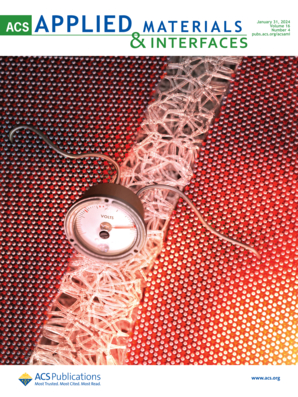
ACS Applied Materials & Interfaces is a leading interdisciplinary journal that brings together chemists, engineers, physicists, and biologists to explore the development and utilization of newly-discovered materials and interfacial processes for specific applications. Our journal has experienced remarkable growth since its establishment in 2009, both in terms of the number of articles published and the impact of the research showcased. We are proud to foster a truly global community, with the majority of published articles originating from outside the United States, reflecting the rapid growth of applied research worldwide.




 京公网安备 11010802042870号
京ICP备2023020795号-1
京公网安备 11010802042870号
京ICP备2023020795号-1

 分享
分享
 求助内容:
求助内容: 应助结果提醒方式:
 扫码关注我们
