{"title":"用负载 5-磺基水杨酸的阴离子交换树脂从水溶液中去除铍 (Be2+)","authors":"Ozan Ali Dündar, Özgür Arar","doi":"10.1007/s11164-024-05299-1","DOIUrl":null,"url":null,"abstract":"<div><p>This study presents the preparation and application of a 5-sulfosalicylic acid-loaded anion-exchange resin to remove Be<sup>2+</sup> from aqueous solutions. Optimization efforts focused on critical parameters, including resin dosage, initial solution pH, and the influence of interfering ions. Results indicate an optimal resin dose of 0.3 g and a working pH of ≥ 4.0 for maximal Be<sup>2+</sup> removal efficiency. Kinetic analysis reveals rapid removal kinetics, with 99% removal achieved within 45 min. Notably, the resin exhibits remarkable selectivity, maintaining consistent removal rates for Be<sup>2+</sup> even in the presence of common interfering ions such as Na<sup>+</sup>, K<sup>+</sup>, Ca<sup>2+</sup>, Mg<sup>2+</sup>, and Fe<sup>2+</sup>. Sorption isotherms fitting the Langmuir model further support the resin's effectiveness in Be<sup>2+</sup> removal. Thermodynamic evaluation suggests the removal process is spontaneous (∆<i>G</i>° < 0) and endothermic (∆<i>H</i>° > 0), indicating favorable energetics. Crucially, the Be-loaded resin is easily regenerated using 0.1 M HCl, enhancing its practical applicability. These results highlight the effectiveness and potency of the prepared resin in Be<sup>2+</sup> removal, suggesting promising solutions for addressing environmental contamination.</p></div>","PeriodicalId":753,"journal":{"name":"Research on Chemical Intermediates","volume":"50 7","pages":"3453 - 3472"},"PeriodicalIF":3.5000,"publicationDate":"2024-05-21","publicationTypes":"Journal Article","fieldsOfStudy":null,"isOpenAccess":false,"openAccessPdf":"https://link.springer.com/content/pdf/10.1007/s11164-024-05299-1.pdf","citationCount":"0","resultStr":"{\"title\":\"Removal of beryllium (Be2+) from aqueous solution by 5-sulfosalicylic acid-loaded anion-exchange resin\",\"authors\":\"Ozan Ali Dündar, Özgür Arar\",\"doi\":\"10.1007/s11164-024-05299-1\",\"DOIUrl\":null,\"url\":null,\"abstract\":\"<div><p>This study presents the preparation and application of a 5-sulfosalicylic acid-loaded anion-exchange resin to remove Be<sup>2+</sup> from aqueous solutions. Optimization efforts focused on critical parameters, including resin dosage, initial solution pH, and the influence of interfering ions. Results indicate an optimal resin dose of 0.3 g and a working pH of ≥ 4.0 for maximal Be<sup>2+</sup> removal efficiency. Kinetic analysis reveals rapid removal kinetics, with 99% removal achieved within 45 min. Notably, the resin exhibits remarkable selectivity, maintaining consistent removal rates for Be<sup>2+</sup> even in the presence of common interfering ions such as Na<sup>+</sup>, K<sup>+</sup>, Ca<sup>2+</sup>, Mg<sup>2+</sup>, and Fe<sup>2+</sup>. Sorption isotherms fitting the Langmuir model further support the resin's effectiveness in Be<sup>2+</sup> removal. Thermodynamic evaluation suggests the removal process is spontaneous (∆<i>G</i>° < 0) and endothermic (∆<i>H</i>° > 0), indicating favorable energetics. Crucially, the Be-loaded resin is easily regenerated using 0.1 M HCl, enhancing its practical applicability. These results highlight the effectiveness and potency of the prepared resin in Be<sup>2+</sup> removal, suggesting promising solutions for addressing environmental contamination.</p></div>\",\"PeriodicalId\":753,\"journal\":{\"name\":\"Research on Chemical Intermediates\",\"volume\":\"50 7\",\"pages\":\"3453 - 3472\"},\"PeriodicalIF\":3.5000,\"publicationDate\":\"2024-05-21\",\"publicationTypes\":\"Journal Article\",\"fieldsOfStudy\":null,\"isOpenAccess\":false,\"openAccessPdf\":\"https://link.springer.com/content/pdf/10.1007/s11164-024-05299-1.pdf\",\"citationCount\":\"0\",\"resultStr\":null,\"platform\":\"Semanticscholar\",\"paperid\":null,\"PeriodicalName\":\"Research on Chemical Intermediates\",\"FirstCategoryId\":\"92\",\"ListUrlMain\":\"https://link.springer.com/article/10.1007/s11164-024-05299-1\",\"RegionNum\":3,\"RegionCategory\":\"化学\",\"ArticlePicture\":[],\"TitleCN\":null,\"AbstractTextCN\":null,\"PMCID\":null,\"EPubDate\":\"\",\"PubModel\":\"\",\"JCR\":\"Q2\",\"JCRName\":\"CHEMISTRY, MULTIDISCIPLINARY\",\"Score\":null,\"Total\":0}","platform":"Semanticscholar","paperid":null,"PeriodicalName":"Research on Chemical Intermediates","FirstCategoryId":"92","ListUrlMain":"https://link.springer.com/article/10.1007/s11164-024-05299-1","RegionNum":3,"RegionCategory":"化学","ArticlePicture":[],"TitleCN":null,"AbstractTextCN":null,"PMCID":null,"EPubDate":"","PubModel":"","JCR":"Q2","JCRName":"CHEMISTRY, MULTIDISCIPLINARY","Score":null,"Total":0}
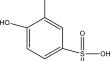
Removal of beryllium (Be2+) from aqueous solution by 5-sulfosalicylic acid-loaded anion-exchange resin
This study presents the preparation and application of a 5-sulfosalicylic acid-loaded anion-exchange resin to remove Be2+ from aqueous solutions. Optimization efforts focused on critical parameters, including resin dosage, initial solution pH, and the influence of interfering ions. Results indicate an optimal resin dose of 0.3 g and a working pH of ≥ 4.0 for maximal Be2+ removal efficiency. Kinetic analysis reveals rapid removal kinetics, with 99% removal achieved within 45 min. Notably, the resin exhibits remarkable selectivity, maintaining consistent removal rates for Be2+ even in the presence of common interfering ions such as Na+, K+, Ca2+, Mg2+, and Fe2+. Sorption isotherms fitting the Langmuir model further support the resin's effectiveness in Be2+ removal. Thermodynamic evaluation suggests the removal process is spontaneous (∆G° < 0) and endothermic (∆H° > 0), indicating favorable energetics. Crucially, the Be-loaded resin is easily regenerated using 0.1 M HCl, enhancing its practical applicability. These results highlight the effectiveness and potency of the prepared resin in Be2+ removal, suggesting promising solutions for addressing environmental contamination.
期刊介绍:
Research on Chemical Intermediates publishes current research articles and concise dynamic reviews on the properties, structures and reactivities of intermediate species in all the various domains of chemistry.
The journal also contains articles in related disciplines such as spectroscopy, molecular biology and biochemistry, atmospheric and environmental sciences, catalysis, photochemistry and photophysics. In addition, special issues dedicated to specific topics in the field are regularly published.




 京公网安备 11010802042870号
京ICP备2023020795号-1
京公网安备 11010802042870号
京ICP备2023020795号-1

 分享
分享
 求助内容:
求助内容: 应助结果提醒方式:
 扫码关注我们
