Xueqing Gao, Yutong Chen, Yujun Wang, Luyao Zhao, Xingyuan Zhao, Juan Du, Haixia Wu, Aibing Chen
{"title":"下一代绿色氢能:从电力、电催化水分离中的催化剂到电解质的进展与展望》。","authors":"Xueqing Gao, Yutong Chen, Yujun Wang, Luyao Zhao, Xingyuan Zhao, Juan Du, Haixia Wu, Aibing Chen","doi":"10.1007/s40820-024-01424-2","DOIUrl":null,"url":null,"abstract":"<div><h2>Highlights</h2><div>\n \n <ul>\n <li>\n <p>This review systematically summarizes the source of electricity, the key choice of catalyst, and the potentiality of electrolyte for prospective hydrogen generation.</p>\n </li>\n <li>\n <p>Each section provides comprehensive overview, detailed comparison and obvious advantages in these system configurations.</p>\n </li>\n <li>\n <p>The problems of hydrogen generation from electrolytic water splitting and directions of next-generation green hydrogen in the future are discussed and outlooked.</p>\n </li>\n </ul>\n </div></div>","PeriodicalId":714,"journal":{"name":"Nano-Micro Letters","volume":"16 1","pages":""},"PeriodicalIF":36.3000,"publicationDate":"2024-07-05","publicationTypes":"Journal Article","fieldsOfStudy":null,"isOpenAccess":false,"openAccessPdf":"https://www.ncbi.nlm.nih.gov/pmc/articles/PMC11226619/pdf/","citationCount":"0","resultStr":"{\"title\":\"Next-Generation Green Hydrogen: Progress and Perspective from Electricity, Catalyst to Electrolyte in Electrocatalytic Water Splitting\",\"authors\":\"Xueqing Gao, Yutong Chen, Yujun Wang, Luyao Zhao, Xingyuan Zhao, Juan Du, Haixia Wu, Aibing Chen\",\"doi\":\"10.1007/s40820-024-01424-2\",\"DOIUrl\":null,\"url\":null,\"abstract\":\"<div><h2>Highlights</h2><div>\\n \\n <ul>\\n <li>\\n <p>This review systematically summarizes the source of electricity, the key choice of catalyst, and the potentiality of electrolyte for prospective hydrogen generation.</p>\\n </li>\\n <li>\\n <p>Each section provides comprehensive overview, detailed comparison and obvious advantages in these system configurations.</p>\\n </li>\\n <li>\\n <p>The problems of hydrogen generation from electrolytic water splitting and directions of next-generation green hydrogen in the future are discussed and outlooked.</p>\\n </li>\\n </ul>\\n </div></div>\",\"PeriodicalId\":714,\"journal\":{\"name\":\"Nano-Micro Letters\",\"volume\":\"16 1\",\"pages\":\"\"},\"PeriodicalIF\":36.3000,\"publicationDate\":\"2024-07-05\",\"publicationTypes\":\"Journal Article\",\"fieldsOfStudy\":null,\"isOpenAccess\":false,\"openAccessPdf\":\"https://www.ncbi.nlm.nih.gov/pmc/articles/PMC11226619/pdf/\",\"citationCount\":\"0\",\"resultStr\":null,\"platform\":\"Semanticscholar\",\"paperid\":null,\"PeriodicalName\":\"Nano-Micro Letters\",\"FirstCategoryId\":\"88\",\"ListUrlMain\":\"https://link.springer.com/article/10.1007/s40820-024-01424-2\",\"RegionNum\":1,\"RegionCategory\":\"材料科学\",\"ArticlePicture\":[],\"TitleCN\":null,\"AbstractTextCN\":null,\"PMCID\":null,\"EPubDate\":\"\",\"PubModel\":\"\",\"JCR\":\"Q1\",\"JCRName\":\"Engineering\",\"Score\":null,\"Total\":0}","platform":"Semanticscholar","paperid":null,"PeriodicalName":"Nano-Micro Letters","FirstCategoryId":"88","ListUrlMain":"https://link.springer.com/article/10.1007/s40820-024-01424-2","RegionNum":1,"RegionCategory":"材料科学","ArticlePicture":[],"TitleCN":null,"AbstractTextCN":null,"PMCID":null,"EPubDate":"","PubModel":"","JCR":"Q1","JCRName":"Engineering","Score":null,"Total":0}
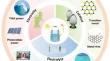
Next-Generation Green Hydrogen: Progress and Perspective from Electricity, Catalyst to Electrolyte in Electrocatalytic Water Splitting
Highlights
This review systematically summarizes the source of electricity, the key choice of catalyst, and the potentiality of electrolyte for prospective hydrogen generation.
Each section provides comprehensive overview, detailed comparison and obvious advantages in these system configurations.
The problems of hydrogen generation from electrolytic water splitting and directions of next-generation green hydrogen in the future are discussed and outlooked.
期刊介绍:
Nano-Micro Letters is a peer-reviewed, international, interdisciplinary, and open-access journal published under the SpringerOpen brand.
Nano-Micro Letters focuses on the science, experiments, engineering, technologies, and applications of nano- or microscale structures and systems in various fields such as physics, chemistry, biology, material science, and pharmacy.It also explores the expanding interfaces between these fields.
Nano-Micro Letters particularly emphasizes the bottom-up approach in the length scale from nano to micro. This approach is crucial for achieving industrial applications in nanotechnology, as it involves the assembly, modification, and control of nanostructures on a microscale.




 京公网安备 11010802042870号
京ICP备2023020795号-1
京公网安备 11010802042870号
京ICP备2023020795号-1

 分享
分享
 求助内容:
求助内容: 应助结果提醒方式:
 扫码关注我们
