{"title":"调查碱性森林土壤中硝化的微生物和环境驱动因素","authors":"Lianna Poghosyan, L. Lehtovirta-Morley","doi":"10.1093/ismeco/ycae093","DOIUrl":null,"url":null,"abstract":"\n Ammonia oxidation is a key step in the biogeochemical cycling of nitrogen, and soils are important ecosystems for nitrogen flux globally. Approximately 25% of the world’s soils are alkaline. Whilst nitrification has been studied more extensively in agricultural alkaline soils, less is known about natural, unfertilized alkaline soils. In this study, microorganisms responsible for ammonia oxidation and several environmental factors (season, temperature, ammonia concentration and moisture content) known to affect nitrification were studied in an alkaline forest soil with a pH ranging from 8.36 to 8.77. AOB, AOA and comammox were present and AOB belonging to genera Nitrosospira and Nitrosomonas, originally comprising <0.01% of the total bacterial community, responded rapidly to ammonia addition to the soil. No significant difference was observed in nitrification rates between seasons, but there was a significant difference between in situ field nitrification rates and rates in laboratory microcosms. Surprisingly, nitrification took place under many of the tested conditions but there was no detectable increase in the abundance of any recognisable group of ammonia oxidisers. This study raises questions about the role of low-abundance microorganisms in microbial processes and of situations where zero or very-low microbial growth coincides with metabolic activity. In addition, this study provides insights into nitrification in unfertilized alkaline soil and supports previous studies which found that AOB play an important role in alkaline soils supplemented with ammonia, including agricultural ecosystems.","PeriodicalId":5,"journal":{"name":"ACS Applied Materials & Interfaces","volume":"122 9","pages":""},"PeriodicalIF":7.8000,"publicationDate":"2024-07-11","publicationTypes":"Journal Article","fieldsOfStudy":null,"isOpenAccess":false,"openAccessPdf":"","citationCount":"0","resultStr":"{\"title\":\"Investigating microbial and environmental drivers of nitrification in alkaline forest soil\",\"authors\":\"Lianna Poghosyan, L. Lehtovirta-Morley\",\"doi\":\"10.1093/ismeco/ycae093\",\"DOIUrl\":null,\"url\":null,\"abstract\":\"\\n Ammonia oxidation is a key step in the biogeochemical cycling of nitrogen, and soils are important ecosystems for nitrogen flux globally. Approximately 25% of the world’s soils are alkaline. Whilst nitrification has been studied more extensively in agricultural alkaline soils, less is known about natural, unfertilized alkaline soils. In this study, microorganisms responsible for ammonia oxidation and several environmental factors (season, temperature, ammonia concentration and moisture content) known to affect nitrification were studied in an alkaline forest soil with a pH ranging from 8.36 to 8.77. AOB, AOA and comammox were present and AOB belonging to genera Nitrosospira and Nitrosomonas, originally comprising <0.01% of the total bacterial community, responded rapidly to ammonia addition to the soil. No significant difference was observed in nitrification rates between seasons, but there was a significant difference between in situ field nitrification rates and rates in laboratory microcosms. Surprisingly, nitrification took place under many of the tested conditions but there was no detectable increase in the abundance of any recognisable group of ammonia oxidisers. This study raises questions about the role of low-abundance microorganisms in microbial processes and of situations where zero or very-low microbial growth coincides with metabolic activity. In addition, this study provides insights into nitrification in unfertilized alkaline soil and supports previous studies which found that AOB play an important role in alkaline soils supplemented with ammonia, including agricultural ecosystems.\",\"PeriodicalId\":5,\"journal\":{\"name\":\"ACS Applied Materials & Interfaces\",\"volume\":\"122 9\",\"pages\":\"\"},\"PeriodicalIF\":7.8000,\"publicationDate\":\"2024-07-11\",\"publicationTypes\":\"Journal Article\",\"fieldsOfStudy\":null,\"isOpenAccess\":false,\"openAccessPdf\":\"\",\"citationCount\":\"0\",\"resultStr\":null,\"platform\":\"Semanticscholar\",\"paperid\":null,\"PeriodicalName\":\"ACS Applied Materials & Interfaces\",\"FirstCategoryId\":\"1085\",\"ListUrlMain\":\"https://doi.org/10.1093/ismeco/ycae093\",\"RegionNum\":2,\"RegionCategory\":\"材料科学\",\"ArticlePicture\":[],\"TitleCN\":null,\"AbstractTextCN\":null,\"PMCID\":null,\"EPubDate\":\"\",\"PubModel\":\"\",\"JCR\":\"Q1\",\"JCRName\":\"MATERIALS SCIENCE, MULTIDISCIPLINARY\",\"Score\":null,\"Total\":0}","platform":"Semanticscholar","paperid":null,"PeriodicalName":"ACS Applied Materials & Interfaces","FirstCategoryId":"1085","ListUrlMain":"https://doi.org/10.1093/ismeco/ycae093","RegionNum":2,"RegionCategory":"材料科学","ArticlePicture":[],"TitleCN":null,"AbstractTextCN":null,"PMCID":null,"EPubDate":"","PubModel":"","JCR":"Q1","JCRName":"MATERIALS SCIENCE, MULTIDISCIPLINARY","Score":null,"Total":0}
Investigating microbial and environmental drivers of nitrification in alkaline forest soil
Ammonia oxidation is a key step in the biogeochemical cycling of nitrogen, and soils are important ecosystems for nitrogen flux globally. Approximately 25% of the world’s soils are alkaline. Whilst nitrification has been studied more extensively in agricultural alkaline soils, less is known about natural, unfertilized alkaline soils. In this study, microorganisms responsible for ammonia oxidation and several environmental factors (season, temperature, ammonia concentration and moisture content) known to affect nitrification were studied in an alkaline forest soil with a pH ranging from 8.36 to 8.77. AOB, AOA and comammox were present and AOB belonging to genera Nitrosospira and Nitrosomonas, originally comprising <0.01% of the total bacterial community, responded rapidly to ammonia addition to the soil. No significant difference was observed in nitrification rates between seasons, but there was a significant difference between in situ field nitrification rates and rates in laboratory microcosms. Surprisingly, nitrification took place under many of the tested conditions but there was no detectable increase in the abundance of any recognisable group of ammonia oxidisers. This study raises questions about the role of low-abundance microorganisms in microbial processes and of situations where zero or very-low microbial growth coincides with metabolic activity. In addition, this study provides insights into nitrification in unfertilized alkaline soil and supports previous studies which found that AOB play an important role in alkaline soils supplemented with ammonia, including agricultural ecosystems.
期刊介绍:
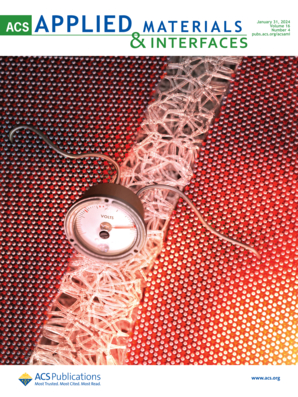
ACS Applied Materials & Interfaces is a leading interdisciplinary journal that brings together chemists, engineers, physicists, and biologists to explore the development and utilization of newly-discovered materials and interfacial processes for specific applications. Our journal has experienced remarkable growth since its establishment in 2009, both in terms of the number of articles published and the impact of the research showcased. We are proud to foster a truly global community, with the majority of published articles originating from outside the United States, reflecting the rapid growth of applied research worldwide.




 京公网安备 11010802042870号
京ICP备2023020795号-1
京公网安备 11010802042870号
京ICP备2023020795号-1

 分享
分享
 求助内容:
求助内容: 应助结果提醒方式:
 扫码关注我们
