{"title":"更正:\"PDGFB 作为一种血管正常化剂,用于接受伽马分泌酶抑制剂治疗的卵巢癌模型\"。","authors":"","doi":"10.1002/jcp.31354","DOIUrl":null,"url":null,"abstract":"<p>Maria C. Pazos, Gonzalo Sequeira, Sebastian Bocchicchio, Maria May, Dalhia Abramovich, Fernanda Parborell, Marta Tesone, Griselda Irusta. J Cell Physiol 2018 Aug;233(8):5949-5961. 10.1002/jcp.26404. Epub 2018 Feb 27</p><p>In the original version of this article, the authors mistakenly used the wrong image to display the “control” panel in Figure 2b, resulting in a duplication with the “DAPT” panel depicting cleaved caspase-3 staining in Figure 3. The correct Figure 2b is presented below.</p><p>Additionally, the legend for Figure 1 is corrected to (changes in bold):</p><p>PDGFB treated tumor growth and inmunohistochemical analysis of ovarian xenograft tumors. (a) SKOV3 cells were inoculated in female nude mice. When tumors were palpable the animals received rec-PDGFB as treatment or saline solution (control) as described in Material and Methods section. Tumor size was measured in both groups. The variable was analyzed using Student's <i>t</i> test. No statistical difference was found between groups. (b–e) show hematoxylin and eosin stained sections of each tumor belonging to all experimental groups (control, rec-PDGFB, DAPT, and DAPT+rec-PDGFB). Scale bars: 20 μm in ×10 magnification pictures and 50 μm in ×40 magnification insets. <b>Note that insets do not always correspond to the same histological section shown at ×10 magnification.</b></p><p>This correction doesn't change the results and conclusions. The authors apologize for any confusion these errors may have caused.</p>","PeriodicalId":15220,"journal":{"name":"Journal of Cellular Physiology","volume":"239 11","pages":""},"PeriodicalIF":4.0000,"publicationDate":"2024-07-18","publicationTypes":"Journal Article","fieldsOfStudy":null,"isOpenAccess":false,"openAccessPdf":"https://onlinelibrary.wiley.com/doi/epdf/10.1002/jcp.31354","citationCount":"0","resultStr":"{\"title\":\"Corrigendum to “PDGFB as a vascular normalization agent in an ovarian cancer model treated with a gamma-secretase inhibitor”\",\"authors\":\"\",\"doi\":\"10.1002/jcp.31354\",\"DOIUrl\":null,\"url\":null,\"abstract\":\"<p>Maria C. Pazos, Gonzalo Sequeira, Sebastian Bocchicchio, Maria May, Dalhia Abramovich, Fernanda Parborell, Marta Tesone, Griselda Irusta. J Cell Physiol 2018 Aug;233(8):5949-5961. 10.1002/jcp.26404. Epub 2018 Feb 27</p><p>In the original version of this article, the authors mistakenly used the wrong image to display the “control” panel in Figure 2b, resulting in a duplication with the “DAPT” panel depicting cleaved caspase-3 staining in Figure 3. The correct Figure 2b is presented below.</p><p>Additionally, the legend for Figure 1 is corrected to (changes in bold):</p><p>PDGFB treated tumor growth and inmunohistochemical analysis of ovarian xenograft tumors. (a) SKOV3 cells were inoculated in female nude mice. When tumors were palpable the animals received rec-PDGFB as treatment or saline solution (control) as described in Material and Methods section. Tumor size was measured in both groups. The variable was analyzed using Student's <i>t</i> test. No statistical difference was found between groups. (b–e) show hematoxylin and eosin stained sections of each tumor belonging to all experimental groups (control, rec-PDGFB, DAPT, and DAPT+rec-PDGFB). Scale bars: 20 μm in ×10 magnification pictures and 50 μm in ×40 magnification insets. <b>Note that insets do not always correspond to the same histological section shown at ×10 magnification.</b></p><p>This correction doesn't change the results and conclusions. The authors apologize for any confusion these errors may have caused.</p>\",\"PeriodicalId\":15220,\"journal\":{\"name\":\"Journal of Cellular Physiology\",\"volume\":\"239 11\",\"pages\":\"\"},\"PeriodicalIF\":4.0000,\"publicationDate\":\"2024-07-18\",\"publicationTypes\":\"Journal Article\",\"fieldsOfStudy\":null,\"isOpenAccess\":false,\"openAccessPdf\":\"https://onlinelibrary.wiley.com/doi/epdf/10.1002/jcp.31354\",\"citationCount\":\"0\",\"resultStr\":null,\"platform\":\"Semanticscholar\",\"paperid\":null,\"PeriodicalName\":\"Journal of Cellular Physiology\",\"FirstCategoryId\":\"99\",\"ListUrlMain\":\"https://onlinelibrary.wiley.com/doi/10.1002/jcp.31354\",\"RegionNum\":2,\"RegionCategory\":\"生物学\",\"ArticlePicture\":[],\"TitleCN\":null,\"AbstractTextCN\":null,\"PMCID\":null,\"EPubDate\":\"\",\"PubModel\":\"\",\"JCR\":\"Q2\",\"JCRName\":\"CELL BIOLOGY\",\"Score\":null,\"Total\":0}","platform":"Semanticscholar","paperid":null,"PeriodicalName":"Journal of Cellular Physiology","FirstCategoryId":"99","ListUrlMain":"https://onlinelibrary.wiley.com/doi/10.1002/jcp.31354","RegionNum":2,"RegionCategory":"生物学","ArticlePicture":[],"TitleCN":null,"AbstractTextCN":null,"PMCID":null,"EPubDate":"","PubModel":"","JCR":"Q2","JCRName":"CELL BIOLOGY","Score":null,"Total":0}
引用次数: 0
摘要
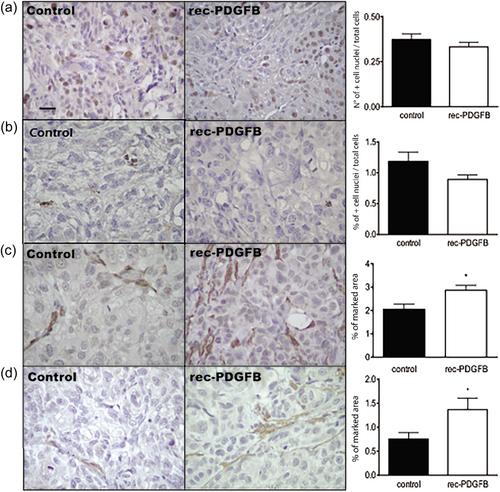
Maria C. Pazos, Gonzalo Sequeira, Sebastian Bocchicchio, Maria May, Dalhia Abramovich, Fernanda Parborell, Marta Tesone, Griselda Irusta.J Cell Physiol 2018 Aug;233(8):5949-5961.10.1002/jcp.26404.Epub 2018 Feb 27在本文的原始版本中,作者错误地使用了错误的图片来显示图2b中的 "对照 "面板,导致与图3中描述裂解的caspase-3染色的 "DAPT "面板重复。此外,图 1 的图例更正为(粗体字修改):经 PDGFB 处理的肿瘤生长和卵巢异种移植肿瘤的免疫组化分析。(a) 将 SKOV3 细胞接种到雌性裸鼠体内。当摸到肿瘤时,动物接受 rec-PDGFB 治疗或生理盐水(对照),如材料和方法部分所述。两组均测量了肿瘤大小。变量采用学生 t 检验进行分析。各组间无统计学差异。(b-e)为所有实验组(对照组、rec-PDGFB 组、DAPT 组和 DAPT+rec-PDGFB 组)每个肿瘤的苏木精和伊红染色切片。比例尺:×10 放大图片为 20 μm,×40 放大插图为 50 μm。请注意,插图并不总是与 ×10 倍放大的同一组织切片相对应。作者对这些错误可能造成的混淆表示歉意。
Corrigendum to “PDGFB as a vascular normalization agent in an ovarian cancer model treated with a gamma-secretase inhibitor”
Maria C. Pazos, Gonzalo Sequeira, Sebastian Bocchicchio, Maria May, Dalhia Abramovich, Fernanda Parborell, Marta Tesone, Griselda Irusta. J Cell Physiol 2018 Aug;233(8):5949-5961. 10.1002/jcp.26404. Epub 2018 Feb 27
In the original version of this article, the authors mistakenly used the wrong image to display the “control” panel in Figure 2b, resulting in a duplication with the “DAPT” panel depicting cleaved caspase-3 staining in Figure 3. The correct Figure 2b is presented below.
Additionally, the legend for Figure 1 is corrected to (changes in bold):
PDGFB treated tumor growth and inmunohistochemical analysis of ovarian xenograft tumors. (a) SKOV3 cells were inoculated in female nude mice. When tumors were palpable the animals received rec-PDGFB as treatment or saline solution (control) as described in Material and Methods section. Tumor size was measured in both groups. The variable was analyzed using Student's t test. No statistical difference was found between groups. (b–e) show hematoxylin and eosin stained sections of each tumor belonging to all experimental groups (control, rec-PDGFB, DAPT, and DAPT+rec-PDGFB). Scale bars: 20 μm in ×10 magnification pictures and 50 μm in ×40 magnification insets. Note that insets do not always correspond to the same histological section shown at ×10 magnification.
This correction doesn't change the results and conclusions. The authors apologize for any confusion these errors may have caused.
期刊介绍:
The Journal of Cellular Physiology publishes reports of high biological significance in areas of eukaryotic cell biology and physiology, focusing on those articles that adopt a molecular mechanistic approach to investigate cell structure and function. There is appreciation for the application of cellular, biochemical, molecular and in vivo genetic approaches, as well as the power of genomics, proteomics, bioinformatics and systems biology. In particular, the Journal encourages submission of high-interest papers investigating the genetic and epigenetic regulation of proliferation and phenotype as well as cell fate and lineage commitment by growth factors, cytokines and their cognate receptors and signal transduction pathways that influence the expression, integration and activities of these physiological mediators. Similarly, the Journal encourages submission of manuscripts exploring the regulation of growth and differentiation by cell adhesion molecules in addition to the interplay between these processes and those induced by growth factors and cytokines. Studies on the genes and processes that regulate cell cycle progression and phase transition in eukaryotic cells, and the mechanisms that determine whether cells enter quiescence, proliferate or undergo apoptosis are also welcomed. Submission of papers that address contributions of the extracellular matrix to cellular phenotypes and physiological control as well as regulatory mechanisms governing fertilization, embryogenesis, gametogenesis, cell fate, lineage commitment, differentiation, development and dynamic parameters of cell motility are encouraged. Finally, the investigation of stem cells and changes that differentiate cancer cells from normal cells including studies on the properties and functions of oncogenes and tumor suppressor genes will remain as one of the major interests of the Journal.




 京公网安备 11010802042870号
京ICP备2023020795号-1
京公网安备 11010802042870号
京ICP备2023020795号-1

 分享
分享
 求助内容:
求助内容: 应助结果提醒方式:
 扫码关注我们
