{"title":"尤利娅-哈伊杜(1925-1987)--女歌剧作曲家的职业生涯","authors":"Emese Lengyel","doi":"10.1556/044.2023.00253","DOIUrl":null,"url":null,"abstract":"The object of this presentation is Júlia Hajdu (1925–1987), the first and only female Hungarian operetta composer. Although there is no abundance of female composers in either international or Hungarian music literature, most of the few were canonically mistreated, despite their creations being worthy of research. The author of choice, Júlia Hajdu, had a rather rich artistic career during which she excelled in various musical genres, such as the composition of dance songs, operettas, revues, dance suites, and incidental music. Besides composing, she was also an outstanding pianist. At the Zeneakadémia (Liszt Ferenc Academy of Music), her master teachers were Zoltán Kodály (1882–1967) and György Ránki (1907–1992) – the latter, too, being a composer of operettas. Hajdu studied folk music from Kodály and jazz orchestration from Ránki. Hajdu's name was soon mentioned next to the best-known creators of popular genres by both her contemporaries and the critics of the age. Among others, she worked on the popular music shows of Magyar Televízió (Hungarian Television) and was employed as Hanna Honthy's piano accompanist. Hajdu recorded hundreds of dance songs, revues, and dance suites, as well as fourteen operettas, including those for radio and television broadcasts. Her career is to be explored within the cultural, political, and civilizational contexts of state socialism, thus understanding her work as not only another oeuvre of an operetta composer, but also as a representation of the artistic sentiment of a whole era. During her active years, she had to make compromises which she later interpreted as assertions of herself as a female artist in a male-dominated cultural milieu. After recognizing various narrative patterns in her creations, I aim to discuss Hajdu's career along two of the most prevalent and recurring issues: the “female composer as a sensation” narrative, and the “significance of the master teacher” narrative.","PeriodicalId":10,"journal":{"name":"ACS Central Science","volume":"29 17","pages":""},"PeriodicalIF":11.1000,"publicationDate":"2024-07-22","publicationTypes":"Journal Article","fieldsOfStudy":null,"isOpenAccess":false,"openAccessPdf":"","citationCount":"0","resultStr":"{\"title\":\"Júlia Hajdu (1925–1987) – Career of a woman operetta composer\",\"authors\":\"Emese Lengyel\",\"doi\":\"10.1556/044.2023.00253\",\"DOIUrl\":null,\"url\":null,\"abstract\":\"The object of this presentation is Júlia Hajdu (1925–1987), the first and only female Hungarian operetta composer. Although there is no abundance of female composers in either international or Hungarian music literature, most of the few were canonically mistreated, despite their creations being worthy of research. The author of choice, Júlia Hajdu, had a rather rich artistic career during which she excelled in various musical genres, such as the composition of dance songs, operettas, revues, dance suites, and incidental music. Besides composing, she was also an outstanding pianist. At the Zeneakadémia (Liszt Ferenc Academy of Music), her master teachers were Zoltán Kodály (1882–1967) and György Ránki (1907–1992) – the latter, too, being a composer of operettas. Hajdu studied folk music from Kodály and jazz orchestration from Ránki. Hajdu's name was soon mentioned next to the best-known creators of popular genres by both her contemporaries and the critics of the age. Among others, she worked on the popular music shows of Magyar Televízió (Hungarian Television) and was employed as Hanna Honthy's piano accompanist. Hajdu recorded hundreds of dance songs, revues, and dance suites, as well as fourteen operettas, including those for radio and television broadcasts. Her career is to be explored within the cultural, political, and civilizational contexts of state socialism, thus understanding her work as not only another oeuvre of an operetta composer, but also as a representation of the artistic sentiment of a whole era. During her active years, she had to make compromises which she later interpreted as assertions of herself as a female artist in a male-dominated cultural milieu. After recognizing various narrative patterns in her creations, I aim to discuss Hajdu's career along two of the most prevalent and recurring issues: the “female composer as a sensation” narrative, and the “significance of the master teacher” narrative.\",\"PeriodicalId\":10,\"journal\":{\"name\":\"ACS Central Science\",\"volume\":\"29 17\",\"pages\":\"\"},\"PeriodicalIF\":11.1000,\"publicationDate\":\"2024-07-22\",\"publicationTypes\":\"Journal Article\",\"fieldsOfStudy\":null,\"isOpenAccess\":false,\"openAccessPdf\":\"\",\"citationCount\":\"0\",\"resultStr\":null,\"platform\":\"Semanticscholar\",\"paperid\":null,\"PeriodicalName\":\"ACS Central Science\",\"FirstCategoryId\":\"1085\",\"ListUrlMain\":\"https://doi.org/10.1556/044.2023.00253\",\"RegionNum\":1,\"RegionCategory\":\"化学\",\"ArticlePicture\":[],\"TitleCN\":null,\"AbstractTextCN\":null,\"PMCID\":null,\"EPubDate\":\"\",\"PubModel\":\"\",\"JCR\":\"Q1\",\"JCRName\":\"CHEMISTRY, MULTIDISCIPLINARY\",\"Score\":null,\"Total\":0}","platform":"Semanticscholar","paperid":null,"PeriodicalName":"ACS Central Science","FirstCategoryId":"1085","ListUrlMain":"https://doi.org/10.1556/044.2023.00253","RegionNum":1,"RegionCategory":"化学","ArticlePicture":[],"TitleCN":null,"AbstractTextCN":null,"PMCID":null,"EPubDate":"","PubModel":"","JCR":"Q1","JCRName":"CHEMISTRY, MULTIDISCIPLINARY","Score":null,"Total":0}
引用次数: 0
摘要
此次介绍的对象是尤利娅-哈伊杜(1925-1987 年),她是匈牙利第一位也是唯一一位女性歌剧作曲家。尽管在国际音乐文献和匈牙利音乐文献中,女性作曲家的数量并不少,但为数不多的几位作曲家中,大多数都受到了不公正的待遇,尽管她们的创作值得研究。作者尤丽娅-哈伊杜的艺术生涯相当丰富,她在各种音乐体裁中都有出色的表现,如创作舞曲、歌剧、反转剧、舞蹈套曲和附带音乐。除了作曲,她还是一位杰出的钢琴家。在 Zeneakadémia(李斯特费伦茨音乐学院),她的名师是 Zoltán Kodály(1882-1967 年)和 György Ránki(1907-1992 年),后者也是一位歌剧作曲家。哈伊杜向柯达伊学习民间音乐,向兰基学习爵士管弦乐。哈伊杜的名字很快就被同时代的人和当时的评论家们提及,与最著名的流行音乐创作者齐名。此外,她还参与了匈牙利电视台(Magyar Televízió)的流行音乐节目,并被聘为汉娜-洪西(Hanna Honthy)的钢琴伴奏。哈伊杜录制了数百首舞曲、歌舞剧和舞蹈组曲,以及 14 部歌剧,包括供电台和电视台播放的作品。她的职业生涯应在国家社会主义的文化、政治和文明背景下进行探讨,因此她的作品不仅是另一位歌剧作曲家的作品,也代表了整个时代的艺术情感。在她活跃的岁月里,她不得不做出妥协,后来她将这些妥协解释为在男性主导的文化环境中作为女性艺术家的自我主张。在认识到哈伊杜创作中的各种叙事模式之后,我将沿着两个最普遍和反复出现的问题来讨论她的职业生涯:"作为轰动效应的女作曲家 "叙事和 "名师的意义 "叙事。
Júlia Hajdu (1925–1987) – Career of a woman operetta composer
The object of this presentation is Júlia Hajdu (1925–1987), the first and only female Hungarian operetta composer. Although there is no abundance of female composers in either international or Hungarian music literature, most of the few were canonically mistreated, despite their creations being worthy of research. The author of choice, Júlia Hajdu, had a rather rich artistic career during which she excelled in various musical genres, such as the composition of dance songs, operettas, revues, dance suites, and incidental music. Besides composing, she was also an outstanding pianist. At the Zeneakadémia (Liszt Ferenc Academy of Music), her master teachers were Zoltán Kodály (1882–1967) and György Ránki (1907–1992) – the latter, too, being a composer of operettas. Hajdu studied folk music from Kodály and jazz orchestration from Ránki. Hajdu's name was soon mentioned next to the best-known creators of popular genres by both her contemporaries and the critics of the age. Among others, she worked on the popular music shows of Magyar Televízió (Hungarian Television) and was employed as Hanna Honthy's piano accompanist. Hajdu recorded hundreds of dance songs, revues, and dance suites, as well as fourteen operettas, including those for radio and television broadcasts. Her career is to be explored within the cultural, political, and civilizational contexts of state socialism, thus understanding her work as not only another oeuvre of an operetta composer, but also as a representation of the artistic sentiment of a whole era. During her active years, she had to make compromises which she later interpreted as assertions of herself as a female artist in a male-dominated cultural milieu. After recognizing various narrative patterns in her creations, I aim to discuss Hajdu's career along two of the most prevalent and recurring issues: the “female composer as a sensation” narrative, and the “significance of the master teacher” narrative.
期刊介绍:
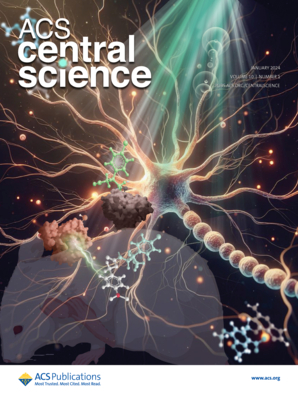
ACS Central Science publishes significant primary reports on research in chemistry and allied fields where chemical approaches are pivotal. As the first fully open-access journal by the American Chemical Society, it covers compelling and important contributions to the broad chemistry and scientific community. "Central science," a term popularized nearly 40 years ago, emphasizes chemistry's central role in connecting physical and life sciences, and fundamental sciences with applied disciplines like medicine and engineering. The journal focuses on exceptional quality articles, addressing advances in fundamental chemistry and interdisciplinary research.




 京公网安备 11010802042870号
京ICP备2023020795号-1
京公网安备 11010802042870号
京ICP备2023020795号-1

 分享
分享
 求助内容:
求助内容: 应助结果提醒方式:
 扫码关注我们
