{"title":"部分排名的群众智慧:在 JAGS 中实施瑟斯通模型的贝叶斯方法。","authors":"Lauren E Montgomery, Nora Bradford, Michael D Lee","doi":"10.3758/s13428-024-02479-0","DOIUrl":null,"url":null,"abstract":"<p><p>We develop a Bayesian method for aggregating partial ranking data using the Thurstone model. Our implementation is a JAGS graphical model that allows each individual to rank any subset of items, and provides an inference about the latent true ranking of the items and the relative expertise of each individual. We demonstrate the method by analyzing data from new experiments that collected partial ranking data. In one experiment, participants were assigned subsets of items to rank; in the other experiment, participants could choose how many and which items they ranked. We show that our method works effectively for both sorts of partial ranking in applications to US city populations and the chronology of US presidents. We discuss the potential of the method for studying the wisdom of the crowd and other research problems that require aggregating incomplete or partial rankings.</p>","PeriodicalId":8717,"journal":{"name":"Behavior Research Methods","volume":" ","pages":"8091-8104"},"PeriodicalIF":3.9000,"publicationDate":"2024-10-01","publicationTypes":"Journal Article","fieldsOfStudy":null,"isOpenAccess":false,"openAccessPdf":"","citationCount":"0","resultStr":"{\"title\":\"The wisdom of the crowd with partial rankings: A Bayesian approach implementing the Thurstone model in JAGS.\",\"authors\":\"Lauren E Montgomery, Nora Bradford, Michael D Lee\",\"doi\":\"10.3758/s13428-024-02479-0\",\"DOIUrl\":null,\"url\":null,\"abstract\":\"<p><p>We develop a Bayesian method for aggregating partial ranking data using the Thurstone model. Our implementation is a JAGS graphical model that allows each individual to rank any subset of items, and provides an inference about the latent true ranking of the items and the relative expertise of each individual. We demonstrate the method by analyzing data from new experiments that collected partial ranking data. In one experiment, participants were assigned subsets of items to rank; in the other experiment, participants could choose how many and which items they ranked. We show that our method works effectively for both sorts of partial ranking in applications to US city populations and the chronology of US presidents. We discuss the potential of the method for studying the wisdom of the crowd and other research problems that require aggregating incomplete or partial rankings.</p>\",\"PeriodicalId\":8717,\"journal\":{\"name\":\"Behavior Research Methods\",\"volume\":\" \",\"pages\":\"8091-8104\"},\"PeriodicalIF\":3.9000,\"publicationDate\":\"2024-10-01\",\"publicationTypes\":\"Journal Article\",\"fieldsOfStudy\":null,\"isOpenAccess\":false,\"openAccessPdf\":\"\",\"citationCount\":\"0\",\"resultStr\":null,\"platform\":\"Semanticscholar\",\"paperid\":null,\"PeriodicalName\":\"Behavior Research Methods\",\"FirstCategoryId\":\"102\",\"ListUrlMain\":\"https://doi.org/10.3758/s13428-024-02479-0\",\"RegionNum\":2,\"RegionCategory\":\"心理学\",\"ArticlePicture\":[],\"TitleCN\":null,\"AbstractTextCN\":null,\"PMCID\":null,\"EPubDate\":\"2024/7/30 0:00:00\",\"PubModel\":\"Epub\",\"JCR\":\"Q1\",\"JCRName\":\"PSYCHOLOGY, EXPERIMENTAL\",\"Score\":null,\"Total\":0}","platform":"Semanticscholar","paperid":null,"PeriodicalName":"Behavior Research Methods","FirstCategoryId":"102","ListUrlMain":"https://doi.org/10.3758/s13428-024-02479-0","RegionNum":2,"RegionCategory":"心理学","ArticlePicture":[],"TitleCN":null,"AbstractTextCN":null,"PMCID":null,"EPubDate":"2024/7/30 0:00:00","PubModel":"Epub","JCR":"Q1","JCRName":"PSYCHOLOGY, EXPERIMENTAL","Score":null,"Total":0}
The wisdom of the crowd with partial rankings: A Bayesian approach implementing the Thurstone model in JAGS.
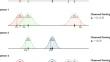
We develop a Bayesian method for aggregating partial ranking data using the Thurstone model. Our implementation is a JAGS graphical model that allows each individual to rank any subset of items, and provides an inference about the latent true ranking of the items and the relative expertise of each individual. We demonstrate the method by analyzing data from new experiments that collected partial ranking data. In one experiment, participants were assigned subsets of items to rank; in the other experiment, participants could choose how many and which items they ranked. We show that our method works effectively for both sorts of partial ranking in applications to US city populations and the chronology of US presidents. We discuss the potential of the method for studying the wisdom of the crowd and other research problems that require aggregating incomplete or partial rankings.
期刊介绍:
Behavior Research Methods publishes articles concerned with the methods, techniques, and instrumentation of research in experimental psychology. The journal focuses particularly on the use of computer technology in psychological research. An annual special issue is devoted to this field.




 京公网安备 11010802042870号
京ICP备2023020795号-1
京公网安备 11010802042870号
京ICP备2023020795号-1

 分享
分享
 求助内容:
求助内容: 应助结果提醒方式:
 扫码关注我们
