Monique M. Kuglitsch,
Jon Cox,
Jürg Luterbacher,
Bilel Jamoussi,
Elena Xoplaki,
Muralee Thummarukudy,
Golestan Sally Radwan,
Soichiro Yasukawa,
Shanna N. McClain,
Rustem Arif Albayrak,
David Oehmen,
Thomas Ward
{"title":"人工智能救援:如何利用技术工具加强灾害预警","authors":"Monique M. Kuglitsch, \n Jon Cox, \n Jürg Luterbacher, \n Bilel Jamoussi, \n Elena Xoplaki, \n Muralee Thummarukudy, \n Golestan Sally Radwan, \n Soichiro Yasukawa, \n Shanna N. McClain, \n Rustem Arif Albayrak, \n David Oehmen, \n Thomas Ward","doi":"10.1038/d41586-024-03149-z","DOIUrl":null,"url":null,"abstract":"Artificial intelligence can help to reduce the impacts of natural hazards, but robust international standards are needed to ensure best practice. Artificial intelligence can help to reduce the impacts of natural hazards, but robust international standards are needed to ensure best practice.","PeriodicalId":18787,"journal":{"name":"Nature","volume":"634 8032","pages":"27-29"},"PeriodicalIF":48.5000,"publicationDate":"2024-10-01","publicationTypes":"Journal Article","fieldsOfStudy":null,"isOpenAccess":false,"openAccessPdf":"https://www.nature.com/articles/d41586-024-03149-z.pdf","citationCount":"0","resultStr":"{\"title\":\"AI to the rescue: how to enhance disaster early warnings with tech tools\",\"authors\":\"Monique M. Kuglitsch, \\n Jon Cox, \\n Jürg Luterbacher, \\n Bilel Jamoussi, \\n Elena Xoplaki, \\n Muralee Thummarukudy, \\n Golestan Sally Radwan, \\n Soichiro Yasukawa, \\n Shanna N. McClain, \\n Rustem Arif Albayrak, \\n David Oehmen, \\n Thomas Ward\",\"doi\":\"10.1038/d41586-024-03149-z\",\"DOIUrl\":null,\"url\":null,\"abstract\":\"Artificial intelligence can help to reduce the impacts of natural hazards, but robust international standards are needed to ensure best practice. Artificial intelligence can help to reduce the impacts of natural hazards, but robust international standards are needed to ensure best practice.\",\"PeriodicalId\":18787,\"journal\":{\"name\":\"Nature\",\"volume\":\"634 8032\",\"pages\":\"27-29\"},\"PeriodicalIF\":48.5000,\"publicationDate\":\"2024-10-01\",\"publicationTypes\":\"Journal Article\",\"fieldsOfStudy\":null,\"isOpenAccess\":false,\"openAccessPdf\":\"https://www.nature.com/articles/d41586-024-03149-z.pdf\",\"citationCount\":\"0\",\"resultStr\":null,\"platform\":\"Semanticscholar\",\"paperid\":null,\"PeriodicalName\":\"Nature\",\"FirstCategoryId\":\"103\",\"ListUrlMain\":\"https://www.nature.com/articles/d41586-024-03149-z\",\"RegionNum\":1,\"RegionCategory\":\"综合性期刊\",\"ArticlePicture\":[],\"TitleCN\":null,\"AbstractTextCN\":null,\"PMCID\":null,\"EPubDate\":\"\",\"PubModel\":\"\",\"JCR\":\"Q1\",\"JCRName\":\"MULTIDISCIPLINARY SCIENCES\",\"Score\":null,\"Total\":0}","platform":"Semanticscholar","paperid":null,"PeriodicalName":"Nature","FirstCategoryId":"103","ListUrlMain":"https://www.nature.com/articles/d41586-024-03149-z","RegionNum":1,"RegionCategory":"综合性期刊","ArticlePicture":[],"TitleCN":null,"AbstractTextCN":null,"PMCID":null,"EPubDate":"","PubModel":"","JCR":"Q1","JCRName":"MULTIDISCIPLINARY SCIENCES","Score":null,"Total":0}
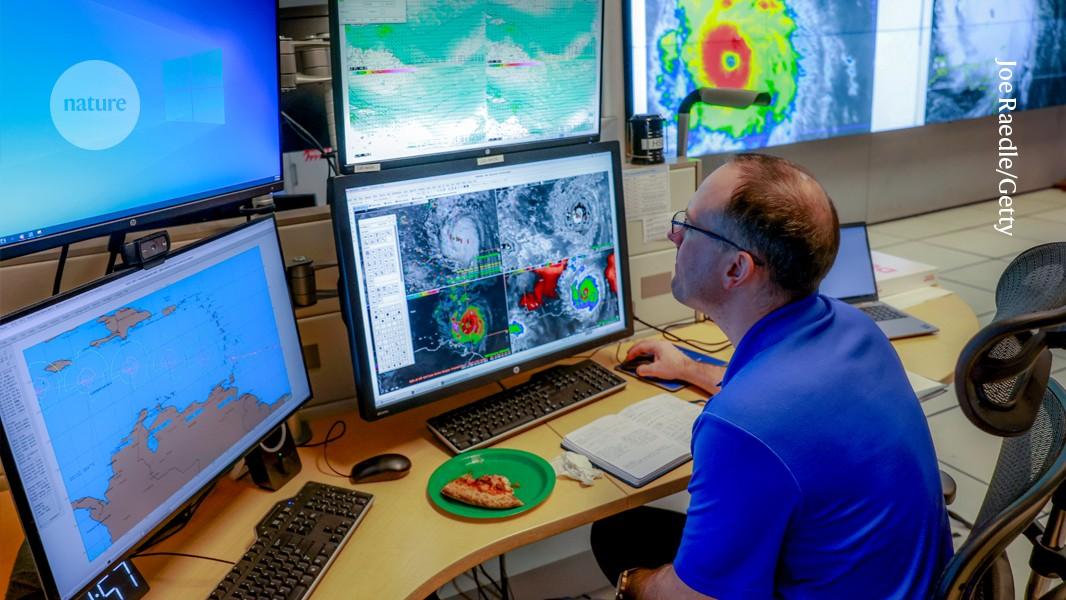
AI to the rescue: how to enhance disaster early warnings with tech tools
Artificial intelligence can help to reduce the impacts of natural hazards, but robust international standards are needed to ensure best practice. Artificial intelligence can help to reduce the impacts of natural hazards, but robust international standards are needed to ensure best practice.
期刊介绍:
Nature is a prestigious international journal that publishes peer-reviewed research in various scientific and technological fields. The selection of articles is based on criteria such as originality, importance, interdisciplinary relevance, timeliness, accessibility, elegance, and surprising conclusions. In addition to showcasing significant scientific advances, Nature delivers rapid, authoritative, insightful news, and interpretation of current and upcoming trends impacting science, scientists, and the broader public. The journal serves a dual purpose: firstly, to promptly share noteworthy scientific advances and foster discussions among scientists, and secondly, to ensure the swift dissemination of scientific results globally, emphasizing their significance for knowledge, culture, and daily life.




 京公网安备 11010802042870号
京ICP备2023020795号-1
京公网安备 11010802042870号
京ICP备2023020795号-1

 分享
分享
 求助内容:
求助内容: 应助结果提醒方式:
 扫码关注我们
