{"title":"针对 SARS 冠状病毒甲基转移酶的药物研发展望:功能、结构和抑制。","authors":"Xin Li, Yongcheng Song","doi":"10.1021/acs.jmedchem.4c01749","DOIUrl":null,"url":null,"abstract":"<p><p>Severe acute respiratory syndrome-associated coronavirus 2 (SARS-CoV-2), the causative agent of coronavirus disease 2019 (COVID-19), is highly contagious and caused a catastrophic pandemic. It has infected billions of people worldwide with >6 million deaths. With expedited development of effective vaccines and antiviral drugs, there have been significantly reduced SARS-CoV-2 infections and associated mortalities and morbidities. The virus is closely related to SARS-CoV, which emerged in 2003 and infected several thousand people with a higher mortality rate of ∼10%. Because of continued viral evolution and drug-induced resistance, as well as the possibility of a new coronavirus in the future, studies for new therapies are needed. The viral methyltransferases play critical roles in SARS coronavirus replication and are therefore promising drug targets. This review summarizes the function, structure and inhibition of methyltransferases of SARS-CoV-2 and SARS-CoV. Challenges and perspectives of targeting the viral methyltransferases to treat viral infections are discussed.</p>","PeriodicalId":46,"journal":{"name":"Journal of Medicinal Chemistry","volume":" ","pages":"18642-18655"},"PeriodicalIF":7.3000,"publicationDate":"2024-11-14","publicationTypes":"Journal Article","fieldsOfStudy":null,"isOpenAccess":false,"openAccessPdf":"https://www.ncbi.nlm.nih.gov/pmc/articles/PMC11787806/pdf/","citationCount":"0","resultStr":"{\"title\":\"Perspective for Drug Discovery Targeting SARS Coronavirus Methyltransferases: Function, Structure and Inhibition.\",\"authors\":\"Xin Li, Yongcheng Song\",\"doi\":\"10.1021/acs.jmedchem.4c01749\",\"DOIUrl\":null,\"url\":null,\"abstract\":\"<p><p>Severe acute respiratory syndrome-associated coronavirus 2 (SARS-CoV-2), the causative agent of coronavirus disease 2019 (COVID-19), is highly contagious and caused a catastrophic pandemic. It has infected billions of people worldwide with >6 million deaths. With expedited development of effective vaccines and antiviral drugs, there have been significantly reduced SARS-CoV-2 infections and associated mortalities and morbidities. The virus is closely related to SARS-CoV, which emerged in 2003 and infected several thousand people with a higher mortality rate of ∼10%. Because of continued viral evolution and drug-induced resistance, as well as the possibility of a new coronavirus in the future, studies for new therapies are needed. The viral methyltransferases play critical roles in SARS coronavirus replication and are therefore promising drug targets. This review summarizes the function, structure and inhibition of methyltransferases of SARS-CoV-2 and SARS-CoV. Challenges and perspectives of targeting the viral methyltransferases to treat viral infections are discussed.</p>\",\"PeriodicalId\":46,\"journal\":{\"name\":\"Journal of Medicinal Chemistry\",\"volume\":\" \",\"pages\":\"18642-18655\"},\"PeriodicalIF\":7.3000,\"publicationDate\":\"2024-11-14\",\"publicationTypes\":\"Journal Article\",\"fieldsOfStudy\":null,\"isOpenAccess\":false,\"openAccessPdf\":\"https://www.ncbi.nlm.nih.gov/pmc/articles/PMC11787806/pdf/\",\"citationCount\":\"0\",\"resultStr\":null,\"platform\":\"Semanticscholar\",\"paperid\":null,\"PeriodicalName\":\"Journal of Medicinal Chemistry\",\"FirstCategoryId\":\"3\",\"ListUrlMain\":\"https://doi.org/10.1021/acs.jmedchem.4c01749\",\"RegionNum\":1,\"RegionCategory\":\"医学\",\"ArticlePicture\":[],\"TitleCN\":null,\"AbstractTextCN\":null,\"PMCID\":null,\"EPubDate\":\"2024/10/31 0:00:00\",\"PubModel\":\"Epub\",\"JCR\":\"Q1\",\"JCRName\":\"CHEMISTRY, MEDICINAL\",\"Score\":null,\"Total\":0}","platform":"Semanticscholar","paperid":null,"PeriodicalName":"Journal of Medicinal Chemistry","FirstCategoryId":"3","ListUrlMain":"https://doi.org/10.1021/acs.jmedchem.4c01749","RegionNum":1,"RegionCategory":"医学","ArticlePicture":[],"TitleCN":null,"AbstractTextCN":null,"PMCID":null,"EPubDate":"2024/10/31 0:00:00","PubModel":"Epub","JCR":"Q1","JCRName":"CHEMISTRY, MEDICINAL","Score":null,"Total":0}
Perspective for Drug Discovery Targeting SARS Coronavirus Methyltransferases: Function, Structure and Inhibition.
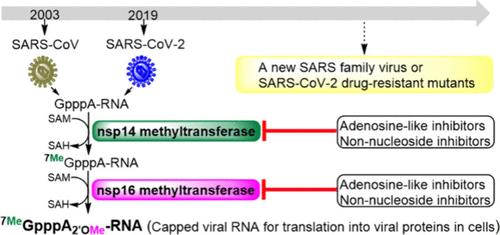
Severe acute respiratory syndrome-associated coronavirus 2 (SARS-CoV-2), the causative agent of coronavirus disease 2019 (COVID-19), is highly contagious and caused a catastrophic pandemic. It has infected billions of people worldwide with >6 million deaths. With expedited development of effective vaccines and antiviral drugs, there have been significantly reduced SARS-CoV-2 infections and associated mortalities and morbidities. The virus is closely related to SARS-CoV, which emerged in 2003 and infected several thousand people with a higher mortality rate of ∼10%. Because of continued viral evolution and drug-induced resistance, as well as the possibility of a new coronavirus in the future, studies for new therapies are needed. The viral methyltransferases play critical roles in SARS coronavirus replication and are therefore promising drug targets. This review summarizes the function, structure and inhibition of methyltransferases of SARS-CoV-2 and SARS-CoV. Challenges and perspectives of targeting the viral methyltransferases to treat viral infections are discussed.
期刊介绍:
The Journal of Medicinal Chemistry is a prestigious biweekly peer-reviewed publication that focuses on the multifaceted field of medicinal chemistry. Since its inception in 1959 as the Journal of Medicinal and Pharmaceutical Chemistry, it has evolved to become a cornerstone in the dissemination of research findings related to the design, synthesis, and development of therapeutic agents.
The Journal of Medicinal Chemistry is recognized for its significant impact in the scientific community, as evidenced by its 2022 impact factor of 7.3. This metric reflects the journal's influence and the importance of its content in shaping the future of drug discovery and development. The journal serves as a vital resource for chemists, pharmacologists, and other researchers interested in the molecular mechanisms of drug action and the optimization of therapeutic compounds.




 京公网安备 11010802042870号
京ICP备2023020795号-1
京公网安备 11010802042870号
京ICP备2023020795号-1

 分享
分享
 求助内容:
求助内容: 应助结果提醒方式:
 扫码关注我们
