Samantha Gunasekera, Benjamin Thierry, Edward Cheah, Brendon King, Paul Monis, Jillian M Carr, Abha Chopra, Mark Watson, Mark O'Dea, Una Ryan
{"title":"无泵、无管微流体设备可扩展副隐孢子虫的体外培养","authors":"Samantha Gunasekera, Benjamin Thierry, Edward Cheah, Brendon King, Paul Monis, Jillian M Carr, Abha Chopra, Mark Watson, Mark O'Dea, Una Ryan","doi":"10.1093/ofid/ofae625","DOIUrl":null,"url":null,"abstract":"<p><strong>Background: </strong>The enteric parasite <i>Cryptosporidium</i> remains a treatment challenge for drinking water utilities globally due to its resistance to chlorine disinfection. However, the lack of an in vitro culture system for <i>Cryptosporidium</i> that is both cost-effective and reliable remains a key bottleneck in <i>Cryptosporidium</i> research.</p><p><strong>Methods: </strong>Here we report that the microfluidic culture of human ileocecal colorectal adenocarcinoma (HCT-8) cells under fluid shear stress enables the extended development of <i>Cryptosporidium parvum</i>. Specifically, the growth of <i>C. parvum</i> in a user-friendly pumpless microfluidic device was assessed using immunofluorescence assays, scanning electron microscopy, and quantitative polymerase chain reaction, which revealed that development continued for 10 days in total.</p><p><strong>Results: </strong>Oocysts produced within the microfluidic device were infective to fresh HCT-8 monolayers; however, these oocysts were only present at low levels.</p><p><strong>Conclusions: </strong>We anticipate that such microfluidic approaches will facilitate a wide range of in vitro studies on <i>Cryptosporidium</i> and may have the potential to be further developed as a routine infectivity assessment tool for the water industry.</p>","PeriodicalId":19517,"journal":{"name":"Open Forum Infectious Diseases","volume":"11 11","pages":"ofae625"},"PeriodicalIF":3.8000,"publicationDate":"2024-10-16","publicationTypes":"Journal Article","fieldsOfStudy":null,"isOpenAccess":false,"openAccessPdf":"https://www.ncbi.nlm.nih.gov/pmc/articles/PMC11542632/pdf/","citationCount":"0","resultStr":"{\"title\":\"A Pumpless and Tubeless Microfluidic Device Enables Extended In Vitro Development of <i>Cryptosporidium parvum</i>.\",\"authors\":\"Samantha Gunasekera, Benjamin Thierry, Edward Cheah, Brendon King, Paul Monis, Jillian M Carr, Abha Chopra, Mark Watson, Mark O'Dea, Una Ryan\",\"doi\":\"10.1093/ofid/ofae625\",\"DOIUrl\":null,\"url\":null,\"abstract\":\"<p><strong>Background: </strong>The enteric parasite <i>Cryptosporidium</i> remains a treatment challenge for drinking water utilities globally due to its resistance to chlorine disinfection. However, the lack of an in vitro culture system for <i>Cryptosporidium</i> that is both cost-effective and reliable remains a key bottleneck in <i>Cryptosporidium</i> research.</p><p><strong>Methods: </strong>Here we report that the microfluidic culture of human ileocecal colorectal adenocarcinoma (HCT-8) cells under fluid shear stress enables the extended development of <i>Cryptosporidium parvum</i>. Specifically, the growth of <i>C. parvum</i> in a user-friendly pumpless microfluidic device was assessed using immunofluorescence assays, scanning electron microscopy, and quantitative polymerase chain reaction, which revealed that development continued for 10 days in total.</p><p><strong>Results: </strong>Oocysts produced within the microfluidic device were infective to fresh HCT-8 monolayers; however, these oocysts were only present at low levels.</p><p><strong>Conclusions: </strong>We anticipate that such microfluidic approaches will facilitate a wide range of in vitro studies on <i>Cryptosporidium</i> and may have the potential to be further developed as a routine infectivity assessment tool for the water industry.</p>\",\"PeriodicalId\":19517,\"journal\":{\"name\":\"Open Forum Infectious Diseases\",\"volume\":\"11 11\",\"pages\":\"ofae625\"},\"PeriodicalIF\":3.8000,\"publicationDate\":\"2024-10-16\",\"publicationTypes\":\"Journal Article\",\"fieldsOfStudy\":null,\"isOpenAccess\":false,\"openAccessPdf\":\"https://www.ncbi.nlm.nih.gov/pmc/articles/PMC11542632/pdf/\",\"citationCount\":\"0\",\"resultStr\":null,\"platform\":\"Semanticscholar\",\"paperid\":null,\"PeriodicalName\":\"Open Forum Infectious Diseases\",\"FirstCategoryId\":\"3\",\"ListUrlMain\":\"https://doi.org/10.1093/ofid/ofae625\",\"RegionNum\":4,\"RegionCategory\":\"医学\",\"ArticlePicture\":[],\"TitleCN\":null,\"AbstractTextCN\":null,\"PMCID\":null,\"EPubDate\":\"2024/11/1 0:00:00\",\"PubModel\":\"eCollection\",\"JCR\":\"Q2\",\"JCRName\":\"IMMUNOLOGY\",\"Score\":null,\"Total\":0}","platform":"Semanticscholar","paperid":null,"PeriodicalName":"Open Forum Infectious Diseases","FirstCategoryId":"3","ListUrlMain":"https://doi.org/10.1093/ofid/ofae625","RegionNum":4,"RegionCategory":"医学","ArticlePicture":[],"TitleCN":null,"AbstractTextCN":null,"PMCID":null,"EPubDate":"2024/11/1 0:00:00","PubModel":"eCollection","JCR":"Q2","JCRName":"IMMUNOLOGY","Score":null,"Total":0}
A Pumpless and Tubeless Microfluidic Device Enables Extended In Vitro Development of Cryptosporidium parvum.
Background: The enteric parasite Cryptosporidium remains a treatment challenge for drinking water utilities globally due to its resistance to chlorine disinfection. However, the lack of an in vitro culture system for Cryptosporidium that is both cost-effective and reliable remains a key bottleneck in Cryptosporidium research.
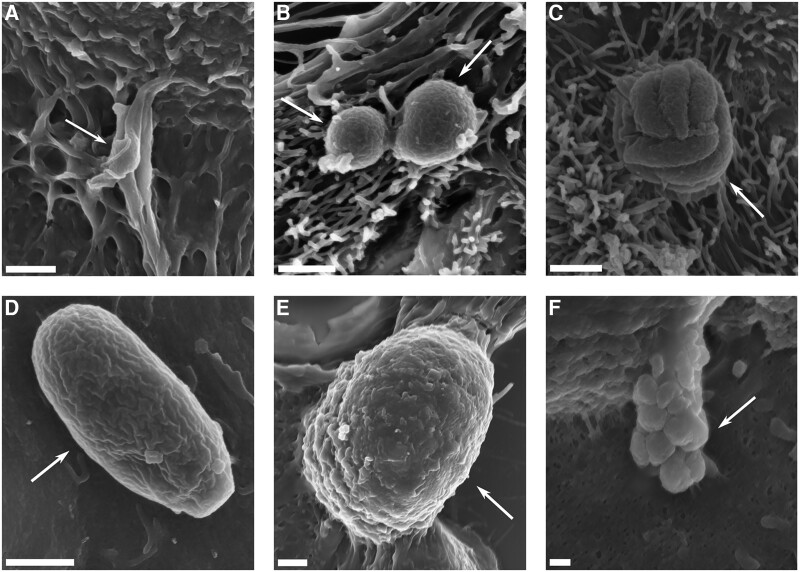
Methods: Here we report that the microfluidic culture of human ileocecal colorectal adenocarcinoma (HCT-8) cells under fluid shear stress enables the extended development of Cryptosporidium parvum. Specifically, the growth of C. parvum in a user-friendly pumpless microfluidic device was assessed using immunofluorescence assays, scanning electron microscopy, and quantitative polymerase chain reaction, which revealed that development continued for 10 days in total.
Results: Oocysts produced within the microfluidic device were infective to fresh HCT-8 monolayers; however, these oocysts were only present at low levels.
Conclusions: We anticipate that such microfluidic approaches will facilitate a wide range of in vitro studies on Cryptosporidium and may have the potential to be further developed as a routine infectivity assessment tool for the water industry.
期刊介绍:
Open Forum Infectious Diseases provides a global forum for the publication of clinical, translational, and basic research findings in a fully open access, online journal environment. The journal reflects the broad diversity of the field of infectious diseases, and focuses on the intersection of biomedical science and clinical practice, with a particular emphasis on knowledge that holds the potential to improve patient care in populations around the world. Fully peer-reviewed, OFID supports the international community of infectious diseases experts by providing a venue for articles that further the understanding of all aspects of infectious diseases.







 京公网安备 11010802042870号
京ICP备2023020795号-1
京公网安备 11010802042870号
京ICP备2023020795号-1

 分享
分享
 求助内容:
求助内容: 应助结果提醒方式:
 扫码关注我们
