Chad P. Nelson, Paul Brown, Suzanne Fitzpatrick, Kevin A. Ford, Paul C. Howard, Tracy MacGill, Edward E. C. Margerrison, Jacqueline O’Shaughnessy, Tucker A. Patterson, Rakesh Raghuwanshi, Rodney Rouse, Selen Stromgren, Kyung E. Sung, Luis G. Valerio Jr., Jeffrey L. Ward, Namandjé N. Bumpus
{"title":"推进减少动物试验的替代方法。","authors":"Chad P. Nelson, Paul Brown, Suzanne Fitzpatrick, Kevin A. Ford, Paul C. Howard, Tracy MacGill, Edward E. C. Margerrison, Jacqueline O’Shaughnessy, Tucker A. Patterson, Rakesh Raghuwanshi, Rodney Rouse, Selen Stromgren, Kyung E. Sung, Luis G. Valerio Jr., Jeffrey L. Ward, Namandjé N. Bumpus","doi":"10.1126/science.adg6228","DOIUrl":null,"url":null,"abstract":"<div >Animal studies have been essential to advancing understanding of diseases and development of therapies and are critical to evaluate the potential for toxicity, safety, and, at times, effectiveness, of consumer products (e.g., medical products, foods, tobacco products, and cosmetics). Although animal toxicity studies have proven essential for identifying potential human risks, finding ways to reduce the use of animals and develop effective alternatives is an important effort. Advances in biology, engineering, and artificial intelligence have created new opportunities to improve our ability to assess safety, quality, and effectiveness of many consumer products. However, multiple steps are required to translate these new technologies into regulatory use and maintain the same standards of safety, quality, and effectiveness. We discuss the approach being taken by one major regulatory body, the US Food and Drug Administration (FDA), to advance new methods into regulatory use.</div>","PeriodicalId":21678,"journal":{"name":"Science","volume":"386 6723","pages":""},"PeriodicalIF":47.3000,"publicationDate":"2024-11-14","publicationTypes":"Journal Article","fieldsOfStudy":null,"isOpenAccess":false,"openAccessPdf":"","citationCount":"0","resultStr":"{\"title\":\"Advancing alternative methods to reduce animal testing\",\"authors\":\"Chad P. Nelson, Paul Brown, Suzanne Fitzpatrick, Kevin A. Ford, Paul C. Howard, Tracy MacGill, Edward E. C. Margerrison, Jacqueline O’Shaughnessy, Tucker A. Patterson, Rakesh Raghuwanshi, Rodney Rouse, Selen Stromgren, Kyung E. Sung, Luis G. Valerio Jr., Jeffrey L. Ward, Namandjé N. Bumpus\",\"doi\":\"10.1126/science.adg6228\",\"DOIUrl\":null,\"url\":null,\"abstract\":\"<div >Animal studies have been essential to advancing understanding of diseases and development of therapies and are critical to evaluate the potential for toxicity, safety, and, at times, effectiveness, of consumer products (e.g., medical products, foods, tobacco products, and cosmetics). Although animal toxicity studies have proven essential for identifying potential human risks, finding ways to reduce the use of animals and develop effective alternatives is an important effort. Advances in biology, engineering, and artificial intelligence have created new opportunities to improve our ability to assess safety, quality, and effectiveness of many consumer products. However, multiple steps are required to translate these new technologies into regulatory use and maintain the same standards of safety, quality, and effectiveness. We discuss the approach being taken by one major regulatory body, the US Food and Drug Administration (FDA), to advance new methods into regulatory use.</div>\",\"PeriodicalId\":21678,\"journal\":{\"name\":\"Science\",\"volume\":\"386 6723\",\"pages\":\"\"},\"PeriodicalIF\":47.3000,\"publicationDate\":\"2024-11-14\",\"publicationTypes\":\"Journal Article\",\"fieldsOfStudy\":null,\"isOpenAccess\":false,\"openAccessPdf\":\"\",\"citationCount\":\"0\",\"resultStr\":null,\"platform\":\"Semanticscholar\",\"paperid\":null,\"PeriodicalName\":\"Science\",\"FirstCategoryId\":\"103\",\"ListUrlMain\":\"https://www.science.org/doi/10.1126/science.adg6228\",\"RegionNum\":1,\"RegionCategory\":\"综合性期刊\",\"ArticlePicture\":[],\"TitleCN\":null,\"AbstractTextCN\":null,\"PMCID\":null,\"EPubDate\":\"\",\"PubModel\":\"\",\"JCR\":\"Q1\",\"JCRName\":\"MULTIDISCIPLINARY SCIENCES\",\"Score\":null,\"Total\":0}","platform":"Semanticscholar","paperid":null,"PeriodicalName":"Science","FirstCategoryId":"103","ListUrlMain":"https://www.science.org/doi/10.1126/science.adg6228","RegionNum":1,"RegionCategory":"综合性期刊","ArticlePicture":[],"TitleCN":null,"AbstractTextCN":null,"PMCID":null,"EPubDate":"","PubModel":"","JCR":"Q1","JCRName":"MULTIDISCIPLINARY SCIENCES","Score":null,"Total":0}
Advancing alternative methods to reduce animal testing
Animal studies have been essential to advancing understanding of diseases and development of therapies and are critical to evaluate the potential for toxicity, safety, and, at times, effectiveness, of consumer products (e.g., medical products, foods, tobacco products, and cosmetics). Although animal toxicity studies have proven essential for identifying potential human risks, finding ways to reduce the use of animals and develop effective alternatives is an important effort. Advances in biology, engineering, and artificial intelligence have created new opportunities to improve our ability to assess safety, quality, and effectiveness of many consumer products. However, multiple steps are required to translate these new technologies into regulatory use and maintain the same standards of safety, quality, and effectiveness. We discuss the approach being taken by one major regulatory body, the US Food and Drug Administration (FDA), to advance new methods into regulatory use.
期刊介绍:
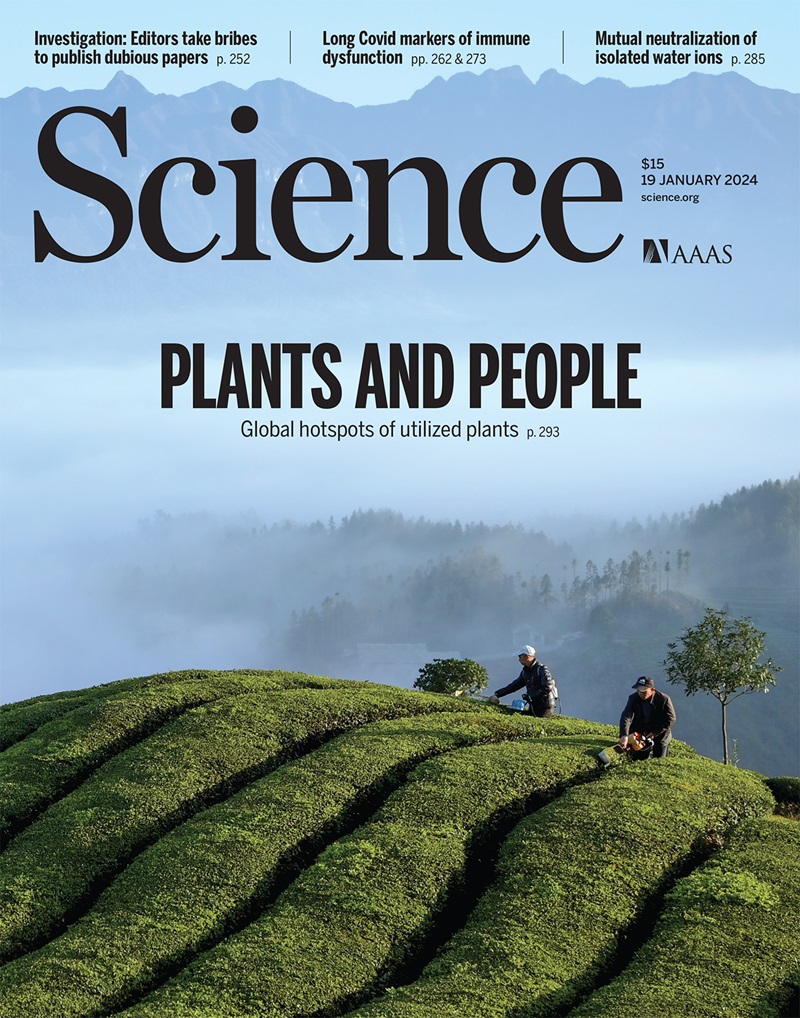
Science is a leading outlet for scientific news, commentary, and cutting-edge research. Through its print and online incarnations, Science reaches an estimated worldwide readership of more than one million. Science’s authorship is global too, and its articles consistently rank among the world's most cited research.
Science serves as a forum for discussion of important issues related to the advancement of science by publishing material on which a consensus has been reached as well as including the presentation of minority or conflicting points of view. Accordingly, all articles published in Science—including editorials, news and comment, and book reviews—are signed and reflect the individual views of the authors and not official points of view adopted by AAAS or the institutions with which the authors are affiliated.
Science seeks to publish those papers that are most influential in their fields or across fields and that will significantly advance scientific understanding. Selected papers should present novel and broadly important data, syntheses, or concepts. They should merit recognition by the wider scientific community and general public provided by publication in Science, beyond that provided by specialty journals. Science welcomes submissions from all fields of science and from any source. The editors are committed to the prompt evaluation and publication of submitted papers while upholding high standards that support reproducibility of published research. Science is published weekly; selected papers are published online ahead of print.




 京公网安备 11010802042870号
京ICP备2023020795号-1
京公网安备 11010802042870号
京ICP备2023020795号-1

 分享
分享
 求助内容:
求助内容: 应助结果提醒方式:
 扫码关注我们
