Marina Gaiato Monte, Carolina Rodrigues Tonon, Anderson Seiji Fujimori, Ana Paula Dantas Ribeiro, Silmeia Garcia Zanati, Katashi Okoshi, Camila Renata Correa Camacho, Maria Regina Moretto, Sergio Alberto Rupp de Paiva, Leonardo Antonio Mamede Zornoff, Paula Schmidt Azevedo, Marcos Ferreira Minicucci, Bertha Furlan Polegato
{"title":"补充Omega-3可减轻阿霉素诱导的心脏毒性,但与神经酰胺途径无关","authors":"Marina Gaiato Monte, Carolina Rodrigues Tonon, Anderson Seiji Fujimori, Ana Paula Dantas Ribeiro, Silmeia Garcia Zanati, Katashi Okoshi, Camila Renata Correa Camacho, Maria Regina Moretto, Sergio Alberto Rupp de Paiva, Leonardo Antonio Mamede Zornoff, Paula Schmidt Azevedo, Marcos Ferreira Minicucci, Bertha Furlan Polegato","doi":"10.1002/fsn3.4492","DOIUrl":null,"url":null,"abstract":"<p>Cardiotoxicity is the serious side effect of doxorubicin treatment. Ceramides are formed from the degradation of sphingolipids in cell membranes and play an important role in signaling and modulating biological processes. There is evidence that omega-3 fatty acid administration can act on this pathway. To evaluate the role of the ceramide pathway in the pathophysiology of doxorubicin-induced cardiotoxicity and the effect of omega-3 fatty acid supplementation in the attenuation of chronic doxorubicin-induced cardiotoxicity in rats. Sixty male Wistar rats were divided into four groups: Control (C), Doxorubicin (D), Omega-3 fatty acids (W), and Doxorubicin + Omega-3 fatty acids (DW). The groups received omega-3 fatty acids (400 mg/kg/day, via gavage) or water for 6 weeks and doxorubicin (3.5 mg/kg, intraperitoneal) or saline once a week for 4 weeks. Doxorubicin-treated animals showed increases in left atrium and left ventricle diameters, serum triglycerides and cholesterol, malondialdehyde, and protein carbonylation. We also observed a decrease in left ventricular shortening fraction and nSMase1 expression in the heart. Omega-3 fatty acid supplementation attenuated the structural and functional alterations caused by doxorubicin and decreased protein carbonylation. In contrast to doxorubicin, omega-3 fatty acids increased neutral nSMase activity in animals that both received and did not receive doxorubicin but with no effect on nSMase1 protein expression. Omega-3 fatty acid supplementation attenuated the cardiotoxicity caused by doxorubicin. The ceramide pathway may be involved in the pathophysiology of cardiotoxicity, but it is not the mechanism by which omega-3 fatty acids attenuated cardiac dysfunction.</p>","PeriodicalId":12418,"journal":{"name":"Food Science & Nutrition","volume":"12 11","pages":"9198-9211"},"PeriodicalIF":3.8000,"publicationDate":"2024-09-29","publicationTypes":"Journal Article","fieldsOfStudy":null,"isOpenAccess":false,"openAccessPdf":"https://onlinelibrary.wiley.com/doi/epdf/10.1002/fsn3.4492","citationCount":"0","resultStr":"{\"title\":\"Omega-3 supplementation attenuates doxorubicin-induced cardiotoxicity but is not related to the ceramide pathway\",\"authors\":\"Marina Gaiato Monte, Carolina Rodrigues Tonon, Anderson Seiji Fujimori, Ana Paula Dantas Ribeiro, Silmeia Garcia Zanati, Katashi Okoshi, Camila Renata Correa Camacho, Maria Regina Moretto, Sergio Alberto Rupp de Paiva, Leonardo Antonio Mamede Zornoff, Paula Schmidt Azevedo, Marcos Ferreira Minicucci, Bertha Furlan Polegato\",\"doi\":\"10.1002/fsn3.4492\",\"DOIUrl\":null,\"url\":null,\"abstract\":\"<p>Cardiotoxicity is the serious side effect of doxorubicin treatment. Ceramides are formed from the degradation of sphingolipids in cell membranes and play an important role in signaling and modulating biological processes. There is evidence that omega-3 fatty acid administration can act on this pathway. To evaluate the role of the ceramide pathway in the pathophysiology of doxorubicin-induced cardiotoxicity and the effect of omega-3 fatty acid supplementation in the attenuation of chronic doxorubicin-induced cardiotoxicity in rats. Sixty male Wistar rats were divided into four groups: Control (C), Doxorubicin (D), Omega-3 fatty acids (W), and Doxorubicin + Omega-3 fatty acids (DW). The groups received omega-3 fatty acids (400 mg/kg/day, via gavage) or water for 6 weeks and doxorubicin (3.5 mg/kg, intraperitoneal) or saline once a week for 4 weeks. Doxorubicin-treated animals showed increases in left atrium and left ventricle diameters, serum triglycerides and cholesterol, malondialdehyde, and protein carbonylation. We also observed a decrease in left ventricular shortening fraction and nSMase1 expression in the heart. Omega-3 fatty acid supplementation attenuated the structural and functional alterations caused by doxorubicin and decreased protein carbonylation. In contrast to doxorubicin, omega-3 fatty acids increased neutral nSMase activity in animals that both received and did not receive doxorubicin but with no effect on nSMase1 protein expression. Omega-3 fatty acid supplementation attenuated the cardiotoxicity caused by doxorubicin. The ceramide pathway may be involved in the pathophysiology of cardiotoxicity, but it is not the mechanism by which omega-3 fatty acids attenuated cardiac dysfunction.</p>\",\"PeriodicalId\":12418,\"journal\":{\"name\":\"Food Science & Nutrition\",\"volume\":\"12 11\",\"pages\":\"9198-9211\"},\"PeriodicalIF\":3.8000,\"publicationDate\":\"2024-09-29\",\"publicationTypes\":\"Journal Article\",\"fieldsOfStudy\":null,\"isOpenAccess\":false,\"openAccessPdf\":\"https://onlinelibrary.wiley.com/doi/epdf/10.1002/fsn3.4492\",\"citationCount\":\"0\",\"resultStr\":null,\"platform\":\"Semanticscholar\",\"paperid\":null,\"PeriodicalName\":\"Food Science & Nutrition\",\"FirstCategoryId\":\"97\",\"ListUrlMain\":\"https://onlinelibrary.wiley.com/doi/10.1002/fsn3.4492\",\"RegionNum\":2,\"RegionCategory\":\"农林科学\",\"ArticlePicture\":[],\"TitleCN\":null,\"AbstractTextCN\":null,\"PMCID\":null,\"EPubDate\":\"\",\"PubModel\":\"\",\"JCR\":\"Q2\",\"JCRName\":\"FOOD SCIENCE & TECHNOLOGY\",\"Score\":null,\"Total\":0}","platform":"Semanticscholar","paperid":null,"PeriodicalName":"Food Science & Nutrition","FirstCategoryId":"97","ListUrlMain":"https://onlinelibrary.wiley.com/doi/10.1002/fsn3.4492","RegionNum":2,"RegionCategory":"农林科学","ArticlePicture":[],"TitleCN":null,"AbstractTextCN":null,"PMCID":null,"EPubDate":"","PubModel":"","JCR":"Q2","JCRName":"FOOD SCIENCE & TECHNOLOGY","Score":null,"Total":0}
Omega-3 supplementation attenuates doxorubicin-induced cardiotoxicity but is not related to the ceramide pathway
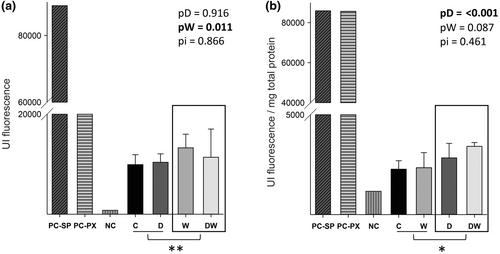
Cardiotoxicity is the serious side effect of doxorubicin treatment. Ceramides are formed from the degradation of sphingolipids in cell membranes and play an important role in signaling and modulating biological processes. There is evidence that omega-3 fatty acid administration can act on this pathway. To evaluate the role of the ceramide pathway in the pathophysiology of doxorubicin-induced cardiotoxicity and the effect of omega-3 fatty acid supplementation in the attenuation of chronic doxorubicin-induced cardiotoxicity in rats. Sixty male Wistar rats were divided into four groups: Control (C), Doxorubicin (D), Omega-3 fatty acids (W), and Doxorubicin + Omega-3 fatty acids (DW). The groups received omega-3 fatty acids (400 mg/kg/day, via gavage) or water for 6 weeks and doxorubicin (3.5 mg/kg, intraperitoneal) or saline once a week for 4 weeks. Doxorubicin-treated animals showed increases in left atrium and left ventricle diameters, serum triglycerides and cholesterol, malondialdehyde, and protein carbonylation. We also observed a decrease in left ventricular shortening fraction and nSMase1 expression in the heart. Omega-3 fatty acid supplementation attenuated the structural and functional alterations caused by doxorubicin and decreased protein carbonylation. In contrast to doxorubicin, omega-3 fatty acids increased neutral nSMase activity in animals that both received and did not receive doxorubicin but with no effect on nSMase1 protein expression. Omega-3 fatty acid supplementation attenuated the cardiotoxicity caused by doxorubicin. The ceramide pathway may be involved in the pathophysiology of cardiotoxicity, but it is not the mechanism by which omega-3 fatty acids attenuated cardiac dysfunction.
期刊介绍:
Food Science & Nutrition is the peer-reviewed journal for rapid dissemination of research in all areas of food science and nutrition. The Journal will consider submissions of quality papers describing the results of fundamental and applied research related to all aspects of human food and nutrition, as well as interdisciplinary research that spans these two fields.




 京公网安备 11010802042870号
京ICP备2023020795号-1
京公网安备 11010802042870号
京ICP备2023020795号-1

 分享
分享
 求助内容:
求助内容: 应助结果提醒方式:
 扫码关注我们
