Ana Cristina Pinesso Ribeiro , Carlos Eduardo Barão , Elson Rogério Tavares Filho , Erick Almeida Esmerino , Ramon Silva , Adriano Gomes Cruz , Tatiana Colombo Pimentel
{"title":"青少年作为食品设计师:共同创造健康乳制品发展的价值","authors":"Ana Cristina Pinesso Ribeiro , Carlos Eduardo Barão , Elson Rogério Tavares Filho , Erick Almeida Esmerino , Ramon Silva , Adriano Gomes Cruz , Tatiana Colombo Pimentel","doi":"10.1016/j.foodres.2024.115455","DOIUrl":null,"url":null,"abstract":"<div><div>Healthy eating habits may protect adolescents against disease development, ensure optimal physical and cognitive development, and may persist in adulthood. However, adolescents usually prefer sweetened dairy products and show a low consumption of vegetables, fruits, whole grains, and pulses. Co-creation offers an innovative and inclusive alternative for the development of new products. Adolescents’ involvement in the co-creation process may promote the development of healthy products that they can effectively choose. This study aimed to use the co-creation process through exploring, prototyping, refining, and validation stages for developing healthy dairy products with and for adolescents, aiming to obtain comprehensive insights into their<!--> <!-->opinions, perceptions, preferences, and needs. Twenty-eight adolescents (14–18 years old) participated in three co-creation sections, while the other 65 (14–18 years old) participated only in the validation stage. The adolescents created a healthy dairy product using a set of ingredients in the first section (grouped into dairy base, fruits, vegetables, nuts and grains, and culinary ingredients). The adolescents could select the ingredients in the number and quantity they wanted for developing the product. There were only two rules: the dairy base was limited to one, and at least one ingredient of each group must be used. Four factors drove the ingredient selection (hedonic, sensory properties, health impact, and novelty). Afterward, they tasted their prototype and noted possible improvements. In the second section, they created a concept prototype (post) as a product communication strategy. They were requested to create a post similar to those shared on social media to promote their product and invite other adolescents to try it. Seven factors drove the post design (product name, poster visual design, promotional image, ingredients, sensory properties, health compounds and health claims, and marketing purposes). The third section validated the refined products (products with the improvements suggested during the tasting stage) and posts for acceptance and perceptions. The products were accepted by adolescents involved or not in the co-creation process despite using healthy and novel ingredients and sugar reduction. Furthermore, based on the posts, the products were perceived as healthy, nutritious, tasty, and with suitable texture. The concentration of vegetables, grains, and nuts was lower than the fruits, demonstrating that, although the adolescents accepted the products, they would not be the central ingredient. The adolescents participating in the co-creation sections were not biased towards higher acceptance scores or more positive perceptions of the posts than general adolescents. These results demonstrated the high potential to involve adolescents in product co-creation and provide helpful subsidies for its implementation. The healthy dairy products co-created in this study could comply with policy measures designed to reduce added sugar intake and increase the intake of fruits and vegetables. Public health policies may encourage schools to engage adolescents in cooking activities and meal planning, besides performing marketing restrictions and food reformulation strategies, mainly related to sugar reduction.</div></div>","PeriodicalId":323,"journal":{"name":"Food Research International","volume":"200 ","pages":"Article 115455"},"PeriodicalIF":8.0000,"publicationDate":"2025-01-01","publicationTypes":"Journal Article","fieldsOfStudy":null,"isOpenAccess":false,"openAccessPdf":"","citationCount":"0","resultStr":"{\"title\":\"Adolescents as food designers: The value of co-creation for the development of healthy dairy products\",\"authors\":\"Ana Cristina Pinesso Ribeiro , Carlos Eduardo Barão , Elson Rogério Tavares Filho , Erick Almeida Esmerino , Ramon Silva , Adriano Gomes Cruz , Tatiana Colombo Pimentel\",\"doi\":\"10.1016/j.foodres.2024.115455\",\"DOIUrl\":null,\"url\":null,\"abstract\":\"<div><div>Healthy eating habits may protect adolescents against disease development, ensure optimal physical and cognitive development, and may persist in adulthood. However, adolescents usually prefer sweetened dairy products and show a low consumption of vegetables, fruits, whole grains, and pulses. Co-creation offers an innovative and inclusive alternative for the development of new products. Adolescents’ involvement in the co-creation process may promote the development of healthy products that they can effectively choose. This study aimed to use the co-creation process through exploring, prototyping, refining, and validation stages for developing healthy dairy products with and for adolescents, aiming to obtain comprehensive insights into their<!--> <!-->opinions, perceptions, preferences, and needs. Twenty-eight adolescents (14–18 years old) participated in three co-creation sections, while the other 65 (14–18 years old) participated only in the validation stage. The adolescents created a healthy dairy product using a set of ingredients in the first section (grouped into dairy base, fruits, vegetables, nuts and grains, and culinary ingredients). The adolescents could select the ingredients in the number and quantity they wanted for developing the product. There were only two rules: the dairy base was limited to one, and at least one ingredient of each group must be used. Four factors drove the ingredient selection (hedonic, sensory properties, health impact, and novelty). Afterward, they tasted their prototype and noted possible improvements. In the second section, they created a concept prototype (post) as a product communication strategy. They were requested to create a post similar to those shared on social media to promote their product and invite other adolescents to try it. Seven factors drove the post design (product name, poster visual design, promotional image, ingredients, sensory properties, health compounds and health claims, and marketing purposes). The third section validated the refined products (products with the improvements suggested during the tasting stage) and posts for acceptance and perceptions. The products were accepted by adolescents involved or not in the co-creation process despite using healthy and novel ingredients and sugar reduction. Furthermore, based on the posts, the products were perceived as healthy, nutritious, tasty, and with suitable texture. The concentration of vegetables, grains, and nuts was lower than the fruits, demonstrating that, although the adolescents accepted the products, they would not be the central ingredient. The adolescents participating in the co-creation sections were not biased towards higher acceptance scores or more positive perceptions of the posts than general adolescents. These results demonstrated the high potential to involve adolescents in product co-creation and provide helpful subsidies for its implementation. The healthy dairy products co-created in this study could comply with policy measures designed to reduce added sugar intake and increase the intake of fruits and vegetables. Public health policies may encourage schools to engage adolescents in cooking activities and meal planning, besides performing marketing restrictions and food reformulation strategies, mainly related to sugar reduction.</div></div>\",\"PeriodicalId\":323,\"journal\":{\"name\":\"Food Research International\",\"volume\":\"200 \",\"pages\":\"Article 115455\"},\"PeriodicalIF\":8.0000,\"publicationDate\":\"2025-01-01\",\"publicationTypes\":\"Journal Article\",\"fieldsOfStudy\":null,\"isOpenAccess\":false,\"openAccessPdf\":\"\",\"citationCount\":\"0\",\"resultStr\":null,\"platform\":\"Semanticscholar\",\"paperid\":null,\"PeriodicalName\":\"Food Research International\",\"FirstCategoryId\":\"97\",\"ListUrlMain\":\"https://www.sciencedirect.com/science/article/pii/S0963996924015254\",\"RegionNum\":1,\"RegionCategory\":\"农林科学\",\"ArticlePicture\":[],\"TitleCN\":null,\"AbstractTextCN\":null,\"PMCID\":null,\"EPubDate\":\"2024/11/29 0:00:00\",\"PubModel\":\"Epub\",\"JCR\":\"Q1\",\"JCRName\":\"FOOD SCIENCE & TECHNOLOGY\",\"Score\":null,\"Total\":0}","platform":"Semanticscholar","paperid":null,"PeriodicalName":"Food Research International","FirstCategoryId":"97","ListUrlMain":"https://www.sciencedirect.com/science/article/pii/S0963996924015254","RegionNum":1,"RegionCategory":"农林科学","ArticlePicture":[],"TitleCN":null,"AbstractTextCN":null,"PMCID":null,"EPubDate":"2024/11/29 0:00:00","PubModel":"Epub","JCR":"Q1","JCRName":"FOOD SCIENCE & TECHNOLOGY","Score":null,"Total":0}
Adolescents as food designers: The value of co-creation for the development of healthy dairy products
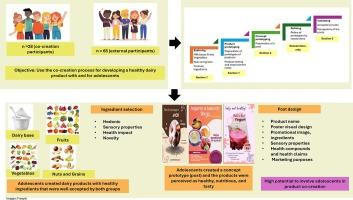
Healthy eating habits may protect adolescents against disease development, ensure optimal physical and cognitive development, and may persist in adulthood. However, adolescents usually prefer sweetened dairy products and show a low consumption of vegetables, fruits, whole grains, and pulses. Co-creation offers an innovative and inclusive alternative for the development of new products. Adolescents’ involvement in the co-creation process may promote the development of healthy products that they can effectively choose. This study aimed to use the co-creation process through exploring, prototyping, refining, and validation stages for developing healthy dairy products with and for adolescents, aiming to obtain comprehensive insights into their opinions, perceptions, preferences, and needs. Twenty-eight adolescents (14–18 years old) participated in three co-creation sections, while the other 65 (14–18 years old) participated only in the validation stage. The adolescents created a healthy dairy product using a set of ingredients in the first section (grouped into dairy base, fruits, vegetables, nuts and grains, and culinary ingredients). The adolescents could select the ingredients in the number and quantity they wanted for developing the product. There were only two rules: the dairy base was limited to one, and at least one ingredient of each group must be used. Four factors drove the ingredient selection (hedonic, sensory properties, health impact, and novelty). Afterward, they tasted their prototype and noted possible improvements. In the second section, they created a concept prototype (post) as a product communication strategy. They were requested to create a post similar to those shared on social media to promote their product and invite other adolescents to try it. Seven factors drove the post design (product name, poster visual design, promotional image, ingredients, sensory properties, health compounds and health claims, and marketing purposes). The third section validated the refined products (products with the improvements suggested during the tasting stage) and posts for acceptance and perceptions. The products were accepted by adolescents involved or not in the co-creation process despite using healthy and novel ingredients and sugar reduction. Furthermore, based on the posts, the products were perceived as healthy, nutritious, tasty, and with suitable texture. The concentration of vegetables, grains, and nuts was lower than the fruits, demonstrating that, although the adolescents accepted the products, they would not be the central ingredient. The adolescents participating in the co-creation sections were not biased towards higher acceptance scores or more positive perceptions of the posts than general adolescents. These results demonstrated the high potential to involve adolescents in product co-creation and provide helpful subsidies for its implementation. The healthy dairy products co-created in this study could comply with policy measures designed to reduce added sugar intake and increase the intake of fruits and vegetables. Public health policies may encourage schools to engage adolescents in cooking activities and meal planning, besides performing marketing restrictions and food reformulation strategies, mainly related to sugar reduction.
期刊介绍:
Food Research International serves as a rapid dissemination platform for significant and impactful research in food science, technology, engineering, and nutrition. The journal focuses on publishing novel, high-quality, and high-impact review papers, original research papers, and letters to the editors across various disciplines in the science and technology of food. Additionally, it follows a policy of publishing special issues on topical and emergent subjects in food research or related areas. Selected, peer-reviewed papers from scientific meetings, workshops, and conferences on the science, technology, and engineering of foods are also featured in special issues.




 京公网安备 11010802042870号
京ICP备2023020795号-1
京公网安备 11010802042870号
京ICP备2023020795号-1

 分享
分享
 求助内容:
求助内容: 应助结果提醒方式:
 扫码关注我们
