Toby Richards, Melissa Day, Matthew J. Slater, Matthew J. Easterbrook, Sean G. Figgins
{"title":"抵制中年不活动:社会认同过程如何促进中年成年人的快速参与","authors":"Toby Richards, Melissa Day, Matthew J. Slater, Matthew J. Easterbrook, Sean G. Figgins","doi":"10.1002/casp.70021","DOIUrl":null,"url":null,"abstract":"<p>While physical activity generally declines in middle-aged adults, group exercise participation among 40-64-year-old is increasing. This rise may be due to the accessibility of online group exercise formats and their ability to reflect members' identities. This research explores how social identification processes facilitate participation in Zwift, an online group exercise platform. Seventeen Zwift participants aged 40–64 were recruited for three data collection stages: (1) an initial semi-structured interview on exercise history and Zwift usage; (2) a two-week post-exercise diary capturing social identification experiences; and (3) a follow-up interview to discuss topics from the first two stages. Data were analysed using abductive thematic analysis. Zwift supports three levels of social identity abstraction: (1) Identity Continuity, maintaining a cyclist identity through online cycling; (2) A Compatible New Identity as a Zwifter, formed through group interaction and social support; and (3) New Group Membership, developed through in-team belonging, recognition, and social status. Mid-life is a period of transition and identity change. Findings in this study suggest four ways that online platforms could facilitate social identification within online exercise platforms, namely (a) empower selection via perceived life-stage similarity and age, (b) enable ‘digital proximity’ via text chat and participant on-screen avatars, (c) enable the common fate of shared real-time exercise experiences, and (d) facilitate interaction and belonging via a pre and post-exercise ‘digital clubhouse’ via a social media page.</p>","PeriodicalId":47850,"journal":{"name":"Journal of Community & Applied Social Psychology","volume":"35 1","pages":""},"PeriodicalIF":2.1000,"publicationDate":"2024-12-02","publicationTypes":"Journal Article","fieldsOfStudy":null,"isOpenAccess":false,"openAccessPdf":"https://onlinelibrary.wiley.com/doi/epdf/10.1002/casp.70021","citationCount":"0","resultStr":"{\"title\":\"Bucking Mid-Life Inactivity: How Social Identity Processes Facilitate Zwift Participation for Mid-Life Adults\",\"authors\":\"Toby Richards, Melissa Day, Matthew J. Slater, Matthew J. Easterbrook, Sean G. Figgins\",\"doi\":\"10.1002/casp.70021\",\"DOIUrl\":null,\"url\":null,\"abstract\":\"<p>While physical activity generally declines in middle-aged adults, group exercise participation among 40-64-year-old is increasing. This rise may be due to the accessibility of online group exercise formats and their ability to reflect members' identities. This research explores how social identification processes facilitate participation in Zwift, an online group exercise platform. Seventeen Zwift participants aged 40–64 were recruited for three data collection stages: (1) an initial semi-structured interview on exercise history and Zwift usage; (2) a two-week post-exercise diary capturing social identification experiences; and (3) a follow-up interview to discuss topics from the first two stages. Data were analysed using abductive thematic analysis. Zwift supports three levels of social identity abstraction: (1) Identity Continuity, maintaining a cyclist identity through online cycling; (2) A Compatible New Identity as a Zwifter, formed through group interaction and social support; and (3) New Group Membership, developed through in-team belonging, recognition, and social status. Mid-life is a period of transition and identity change. Findings in this study suggest four ways that online platforms could facilitate social identification within online exercise platforms, namely (a) empower selection via perceived life-stage similarity and age, (b) enable ‘digital proximity’ via text chat and participant on-screen avatars, (c) enable the common fate of shared real-time exercise experiences, and (d) facilitate interaction and belonging via a pre and post-exercise ‘digital clubhouse’ via a social media page.</p>\",\"PeriodicalId\":47850,\"journal\":{\"name\":\"Journal of Community & Applied Social Psychology\",\"volume\":\"35 1\",\"pages\":\"\"},\"PeriodicalIF\":2.1000,\"publicationDate\":\"2024-12-02\",\"publicationTypes\":\"Journal Article\",\"fieldsOfStudy\":null,\"isOpenAccess\":false,\"openAccessPdf\":\"https://onlinelibrary.wiley.com/doi/epdf/10.1002/casp.70021\",\"citationCount\":\"0\",\"resultStr\":null,\"platform\":\"Semanticscholar\",\"paperid\":null,\"PeriodicalName\":\"Journal of Community & Applied Social Psychology\",\"FirstCategoryId\":\"102\",\"ListUrlMain\":\"https://onlinelibrary.wiley.com/doi/10.1002/casp.70021\",\"RegionNum\":3,\"RegionCategory\":\"心理学\",\"ArticlePicture\":[],\"TitleCN\":null,\"AbstractTextCN\":null,\"PMCID\":null,\"EPubDate\":\"\",\"PubModel\":\"\",\"JCR\":\"Q2\",\"JCRName\":\"PSYCHOLOGY, SOCIAL\",\"Score\":null,\"Total\":0}","platform":"Semanticscholar","paperid":null,"PeriodicalName":"Journal of Community & Applied Social Psychology","FirstCategoryId":"102","ListUrlMain":"https://onlinelibrary.wiley.com/doi/10.1002/casp.70021","RegionNum":3,"RegionCategory":"心理学","ArticlePicture":[],"TitleCN":null,"AbstractTextCN":null,"PMCID":null,"EPubDate":"","PubModel":"","JCR":"Q2","JCRName":"PSYCHOLOGY, SOCIAL","Score":null,"Total":0}
Bucking Mid-Life Inactivity: How Social Identity Processes Facilitate Zwift Participation for Mid-Life Adults
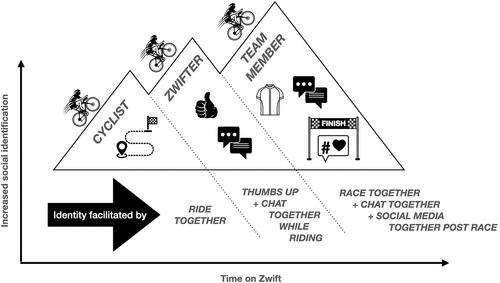
While physical activity generally declines in middle-aged adults, group exercise participation among 40-64-year-old is increasing. This rise may be due to the accessibility of online group exercise formats and their ability to reflect members' identities. This research explores how social identification processes facilitate participation in Zwift, an online group exercise platform. Seventeen Zwift participants aged 40–64 were recruited for three data collection stages: (1) an initial semi-structured interview on exercise history and Zwift usage; (2) a two-week post-exercise diary capturing social identification experiences; and (3) a follow-up interview to discuss topics from the first two stages. Data were analysed using abductive thematic analysis. Zwift supports three levels of social identity abstraction: (1) Identity Continuity, maintaining a cyclist identity through online cycling; (2) A Compatible New Identity as a Zwifter, formed through group interaction and social support; and (3) New Group Membership, developed through in-team belonging, recognition, and social status. Mid-life is a period of transition and identity change. Findings in this study suggest four ways that online platforms could facilitate social identification within online exercise platforms, namely (a) empower selection via perceived life-stage similarity and age, (b) enable ‘digital proximity’ via text chat and participant on-screen avatars, (c) enable the common fate of shared real-time exercise experiences, and (d) facilitate interaction and belonging via a pre and post-exercise ‘digital clubhouse’ via a social media page.
期刊介绍:
The Journal of Community & Applied Social Psychology publishes papers regarding social behaviour in relation to community problems and strengths. The journal is international in scope, reflecting the common concerns of scholars and community practitioners in Europe and worldwide.





 京公网安备 11010802042870号
京ICP备2023020795号-1
京公网安备 11010802042870号
京ICP备2023020795号-1

 分享
分享
 求助内容:
求助内容: 应助结果提醒方式:
 扫码关注我们
